

The sizzling sounds of beef hitting a hot skillet filled my kitchen, instantly whisking me away to the vibrant streets of Seoul. While I may not have had the luxury of traditional marinated slices, my Quick Korean Beef Bowl is a delightful and simplified take on the classic bulgogi. In just 15 minutes, this dish captures the essence of Korean BBQ with its magical combination of sweetness, spice, and umami that makes me feel like a culinary genius on busy weeknights. Plus, it’s a one-pan wonder, making cleanup a breeze! Whether you’re looking to impress at the dinner table or simply craving a comforting meal, this easy recipe is bound to become a favorite. Ready to explore the depths of flavor with me?
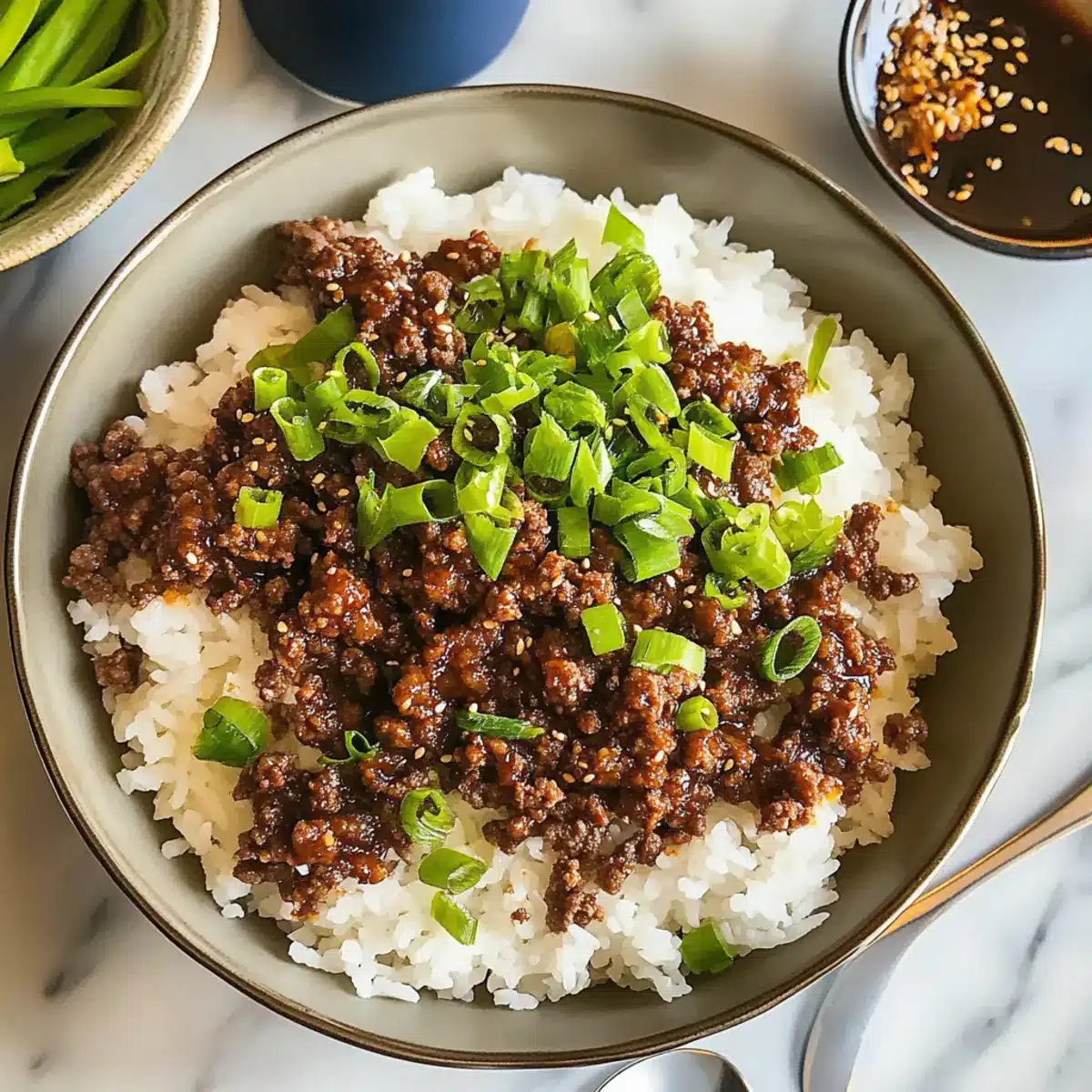
Why is this Korean Beef Bowl a must-try?
Quick and Easy: With just 15 minutes from start to finish, your weeknight dinner is sorted in a flash! This dish makes it easy to ditch takeout.
Flavor-Packed: The blend of sweet and spicy flavors, enhanced by savory sesame oil, delivers a Korean BBQ experience right in your home.
One-Pan Wonder: Simplify your cooking and cleanup! This recipe utilizes one skillet, allowing you to focus on savoring your creation rather than scrubbing dishes.
Versatile: Customize it to your liking by adding vegetables like bell peppers or broccoli or substitute the protein with turkey or tofu for various dietary needs.
Crowd-Pleaser: Impress family and friends at your next gathering with a dish that promises hearty satisfaction. Enjoy it with steamed rice or even in lettuce wraps for a fun twist!
Korean Beef Bowl Ingredients
A delightful mix for your bowl!
For the Sauce
• Brown Sugar – Adds sweetness to balance the salty soy sauce; coconut sugar can be a great lower glycemic replacement.
• Reduced Sodium Soy Sauce – Provides umami flavor with less salt; tamari makes it gluten-free.
• Sesame Oil – Essential for that rich, nutty flavor; opt for cold-pressed varieties for the best taste.
• Crushed Red-Pepper Flakes – Introduces heat; adjust according to your spice tolerance or swap for fresh chili.
• Ground Ginger – Contributes warmth and zest; fresh ginger can be fun if you prefer more intensity.
For the Beef
• Vegetable Oil – Used for cooking the beef; olive oil works well if you’re after a different flavor.
• Garlic – Imparts aroma and depth; always go for fresh minced garlic for optimal flavor.
• Ground Beef – The star protein; ground pork, turkey, or plant-based meat are excellent substitutes.
For Garnish
• Green Onions – Adds freshness and crunch to your dish; chives or shallots can be alternatives.
• Sesame Seeds – For garnish and added texture; they’re optional but highly recommended.
Step‑by‑Step Instructions for Korean Beef Bowl
Step 1: Whisk the Sauce
In a small bowl, combine brown sugar, reduced sodium soy sauce, sesame oil, crushed red pepper flakes, and ground ginger. Use a whisk to blend these ingredients together until the sugar is dissolved, forming a smooth and tangy sauce that will elevate your Korean Beef Bowl. Set this aside for now, as it will complement the savory flavors of the beef perfectly.
Step 2: Heat the Skillet
Place a large cast iron skillet over medium-high heat and pour in the vegetable oil. Allow the oil to heat up for about 1 minute until it shimmers gently. Then, add the minced garlic to the skillet and sauté quickly, stirring constantly for about 1 minute, or until it becomes fragrant but not browned. This step adds a wonderful aroma that will fill your kitchen with mouthwatering anticipation.
Step 3: Cook the Ground Beef
Add the ground beef to the hot skillet, breaking it apart with a spatula as you cook. Continue sautéing for approximately 3-5 minutes, stirring frequently, until the beef is nicely browned and fully cooked through. Make sure to drain any excess fat as needed; this is crucial for achieving the right texture for your Korean Beef Bowl without excess grease.
Step 4: Add the Sauce and Vegetables
Once the beef is cooked, pour the prepared sauce mixture into the skillet, along with the sliced green onions. Stir everything together well, ensuring the beef is evenly coated in the sauce. Let it simmer for around 2 minutes, allowing the flavors to meld and the sauce to thicken slightly, creating a luscious base for your dish.
Step 5: Serve the Beef Bowl
Remove the skillet from the heat, and prepare to serve your Korean Beef Bowl immediately. Spoon the savory beef mixture over a mound of hot steamed rice, if desired. For an added touch of color and flavor, sprinkle extra sliced green onions and sesame seeds on top as a garnish. This will not only enhance the dish but also embody the vibrant essence of Korean cuisine.
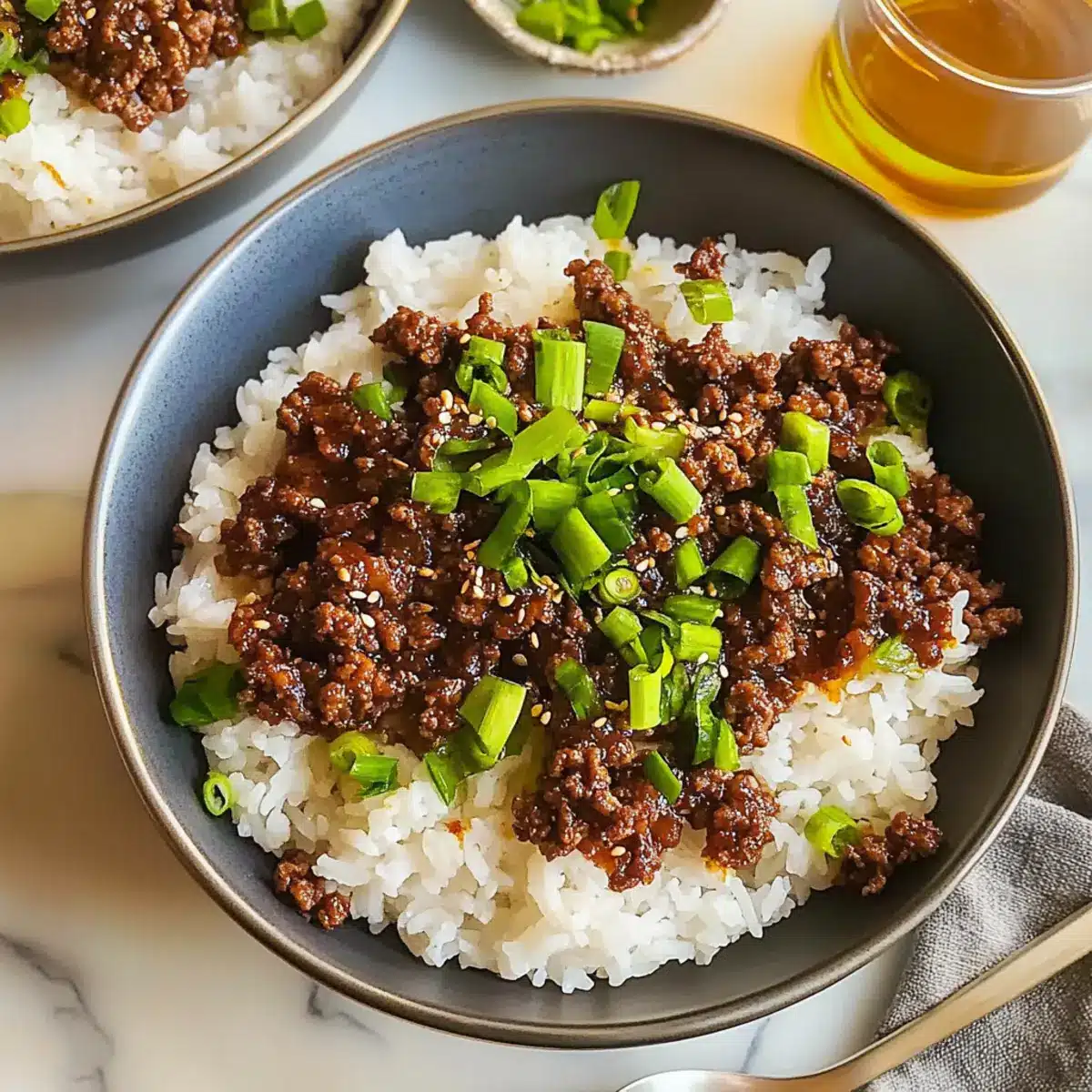
What to Serve with Quick Korean Beef Bowl
Elevate your dining experience with these delightful pairings that complement the rich flavors of your beef bowl perfectly.
-
Steamed White Rice: A classic choice that soaks up the savory sauce, making every bite delightful and fulfilling.
-
Lettuce Wraps: Fresh and crunchy, these wraps provide a refreshing contrast to the warm beef. They also make for a light, fun way to enjoy your meal.
-
Kimchi: This spicy, fermented side adds a zing of flavor and probiotic goodness. Its tanginess beautifully enhances the savory elements of the beef.
-
Sesame Broccoli: Bright green and lightly roasted, the earthy notes of broccoli paired with a sprinkle of sesame seeds offer a lovely texture and taste contrast.
-
Cucumber Salad: Crisp cucumbers dressed in rice vinegar give a light, refreshing crunch, balancing the richness of the ground beef.
-
Mango Slices: Sweet, juicy mango adds a tropical flair that contrasts well with the savory spices, creating an exciting flavor profile.
-
Cold Soba Noodles: These noodles provide a chewy texture and can be dressed in sesame dressing for a flavorful side, complementing the beef bowl beautifully.
-
Sparkling Water with Lime: Refreshing and bubbly, this drink enhances your meal without overshadowing the vibrant tastes of the beef.
-
Chocolate Mousse: For dessert, indulge in a rich chocolate mousse. Its smooth creaminess acts as the perfect sweet ending to a hearty dinner.
Korean Beef Bowl Variations
Feel free to get creative and make this quick dish your own while enjoying the comforting flavors of Korean cuisine!
-
Vegetable Boost: Toss in bell peppers, snap peas, or broccoli for extra color, texture, and nutrition, creating a vibrant one-pan dish.
-
Spicy Twist: Add sliced fresh chili peppers instead of crushed red-pepper flakes for more heat. You’ll elevate the dish’s warmth and heat level beautifully!
-
Nut-Free Option: If you’re avoiding sesame, swap out sesame oil for extra olive oil or avocado oil. You’ll maintain a rich flavor profile without compromising on taste.
-
Whole Grain Switch: Serve over quinoa or brown rice instead of white rice. Both alternatives will add a nutty flavor and boost the dish’s health benefits.
-
Protein Swap: Use ground turkey or chicken instead of beef for a lighter option that remains juicy and tender, while still delivering on flavor.
-
Plant-Based Delight: Opt for crumbled tofu or tempeh to make this a satisfying vegan dish. Season well to ensure you capture those savory Korean flavors.
-
Savory Garnish: Top your dish with crunchy fried shallots for added texture and a burst of flavor; they bring a delightful twist to each bite!
For more inspiration, check out my other recipes like this flavorful Korean Ground Beef or maybe the comforting Hearty Beef Barley soup for a cozy night in!
Expert Tips for the Best Korean Beef Bowl
-
Sauce Duplication: Consider making extra sauce if you love dipping. It enhances flavor and perfectly pairs with rice!
-
Add a Fried Egg: For a creamy texture, topping your bowl with a fried egg elevates the dish, adding protein and visual appeal.
-
Avoid Garlic Bitterness: Minimize garlic burning by stirring constantly. Burnt garlic can ruin the dish’s flavor; keep it fragrant instead!
-
Customize Your Protein: Don’t hesitate to swap ground beef for chicken, turkey, or even tofu—experiment with textures and flavors in your Korean Beef Bowl.
-
Veggie Boost: Incorporate colorful veggies like bell peppers or snap peas for extra crunch and nutrition—making your meal more balanced and visually appealing!
Make Ahead Options
These Quick Korean Beef Bowls are fantastic for meal prep enthusiasts! You can prepare the sauce up to 24 hours in advance by whisking together the brown sugar, soy sauce, sesame oil, red pepper flakes, and ginger, then refrigerating it in an airtight container. Additionally, cooking the ground beef can be done up to 3 days before serving; simply sauté it until browned and allow it to cool before refrigerating. To maintain quality, avoid adding green onions and sesame seeds until you’re ready to serve. When it’s time to enjoy your Korean Beef Bowl, just reheat the beef mixture, stir in the sauce, and serve over fresh rice for an effortless and delicious meal!
How to Store and Freeze Korean Beef Bowl
Fridge: Store leftovers in an airtight container for up to 3 days. This helps keep the flavors intact while maintaining freshness.
Freezer: Freeze the beef mixture in an airtight container or heavy-duty freezer bag for up to 2 months. Thaw before reheating for the best quality.
Reheating: For quick reheating, use a microwave or skillet. Heat on medium until warmed through, and add a splash of water if the mixture seems dry.
Serving suggestion: Pair reheated Korean Beef Bowl with fresh rice or quinoa to enjoy the same delightful flavors as when it was first made!
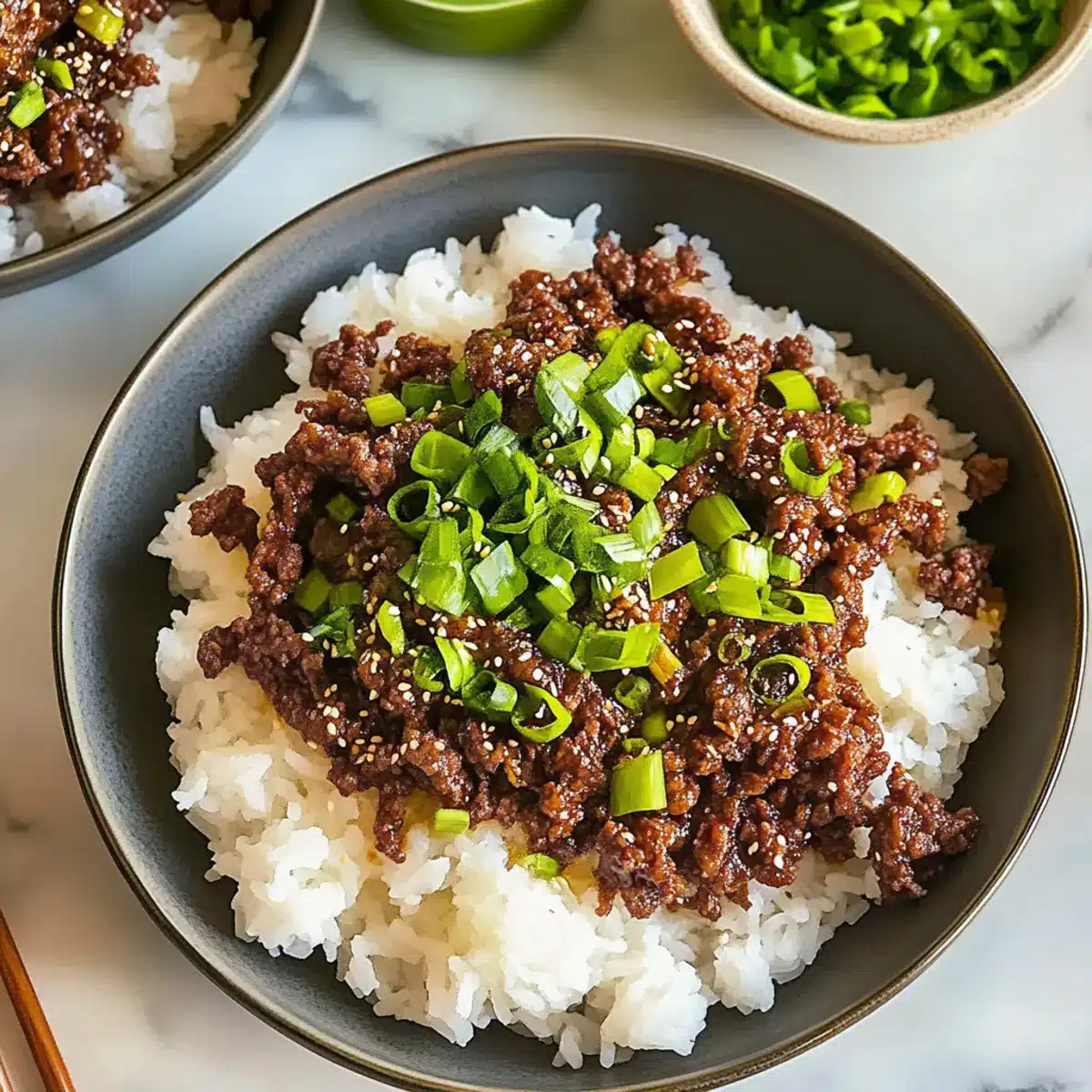
Korean Beef Bowl Recipe FAQs
How do I pick the right ground beef?
Absolutely! Look for ground beef with a fat content of 80/20 or 85/15 for optimal flavor and juiciness; it gives you just the right balance. If it’s too lean, the dish may end up dry, while too much fat can become greasy. Fresh ground beef should be bright red, with no dark spots or unpleasant odors.
How should I store leftovers from my Korean Beef Bowl?
Very well! Store your leftovers in an airtight container in the fridge for up to 3 days. For longer storage, you can freeze the beef mixture in a heavy-duty freezer bag or container for up to 2 months. Just remember to label it with the date so you don’t forget!
Can I freeze the Korean Beef Bowl? How?
Absolutely! To freeze, allow the beef mixture to cool completely before portioning it into airtight containers or heavy-duty freezer bags. Remove as much air as possible to prevent freezer burn. When you’re ready to eat, simply thaw overnight in the fridge and reheat thoroughly in a skillet or microwave, adding a splash of water if needed.
What should I do if my garlic burns during cooking?
If you find that your garlic has burnt, gently scrape it out of the skillet, and start over with fresh garlic. Burnt garlic can impart a bitter taste to your dish. To avoid this from happening, sauté the garlic on medium heat and keep it moving in the pan for that fragrant, golden perfection.
Are there any dietary substitutions I can make for this recipe?
Very much so! If you’re looking to be gluten-free, swap regular soy sauce for tamari, which offers a similar taste without gluten. In terms of protein, ground turkey, chicken, or even tofu are great alternatives if you’re avoiding beef. Additionally, feel free to add vegetables like bell peppers or snap peas to boost nutrition and flavor in your Korean Beef Bowl.
Can pets eat any of the ingredients in this recipe?
It’s best to keep this dish away from your pets! While some ingredients are safe (like plain cooked beef), others like garlic and onion are toxic to dogs and cats. Always check with your vet for guidelines on sharing with your furry friends to ensure their safety.
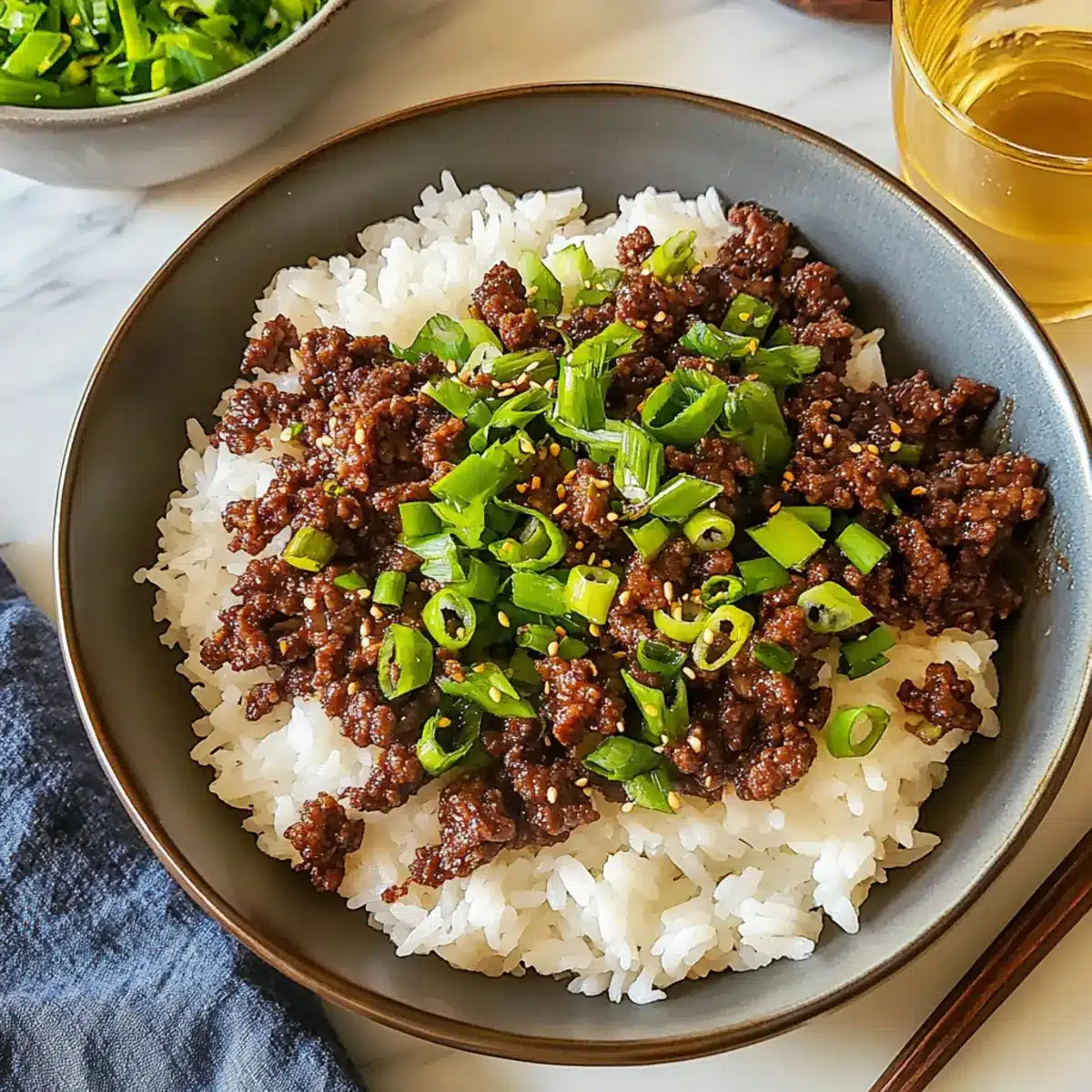
Savory Korean Beef Bowl in Just 15 Minutes
Ingredients
Equipment
Method
- In a small bowl, combine brown sugar, reduced sodium soy sauce, sesame oil, crushed red pepper flakes, and ground ginger. Whisk until sugar is dissolved.
- Heat vegetable oil in a large skillet over medium-high heat for about 1 minute. Add minced garlic and sauté for about 1 minute.
- Add ground beef, breaking it apart as you cook. Sauté for 3-5 minutes until browned.
- Pour in the prepared sauce and add sliced green onions. Stir to combine and let simmer for about 2 minutes.
- Serve immediately over steamed rice, garnished with additional green onions and sesame seeds.