

There’s something undeniably comforting about a hearty stew bubbling away on the stove, filling the kitchen with luxurious aromas. Spicy Korean Dakdoritang, with its tender chicken and vibrant vegetables bathing in a rich, spicy sauce, is my go-to for cozy dinners that please everyone at the table. Not only is this recipe a simple weeknight fix, but it also brings a taste of Korean cuisine that can transform any meal into a celebration. The succulent flavors and the gentle kick of spice make it an irresistible comfort food, and the best part? It’s incredibly easy to customize with your favorite vegetables or substitutes. Ready to discover how to make this delightful dish that warms both the body and soul? Let’s dive in!
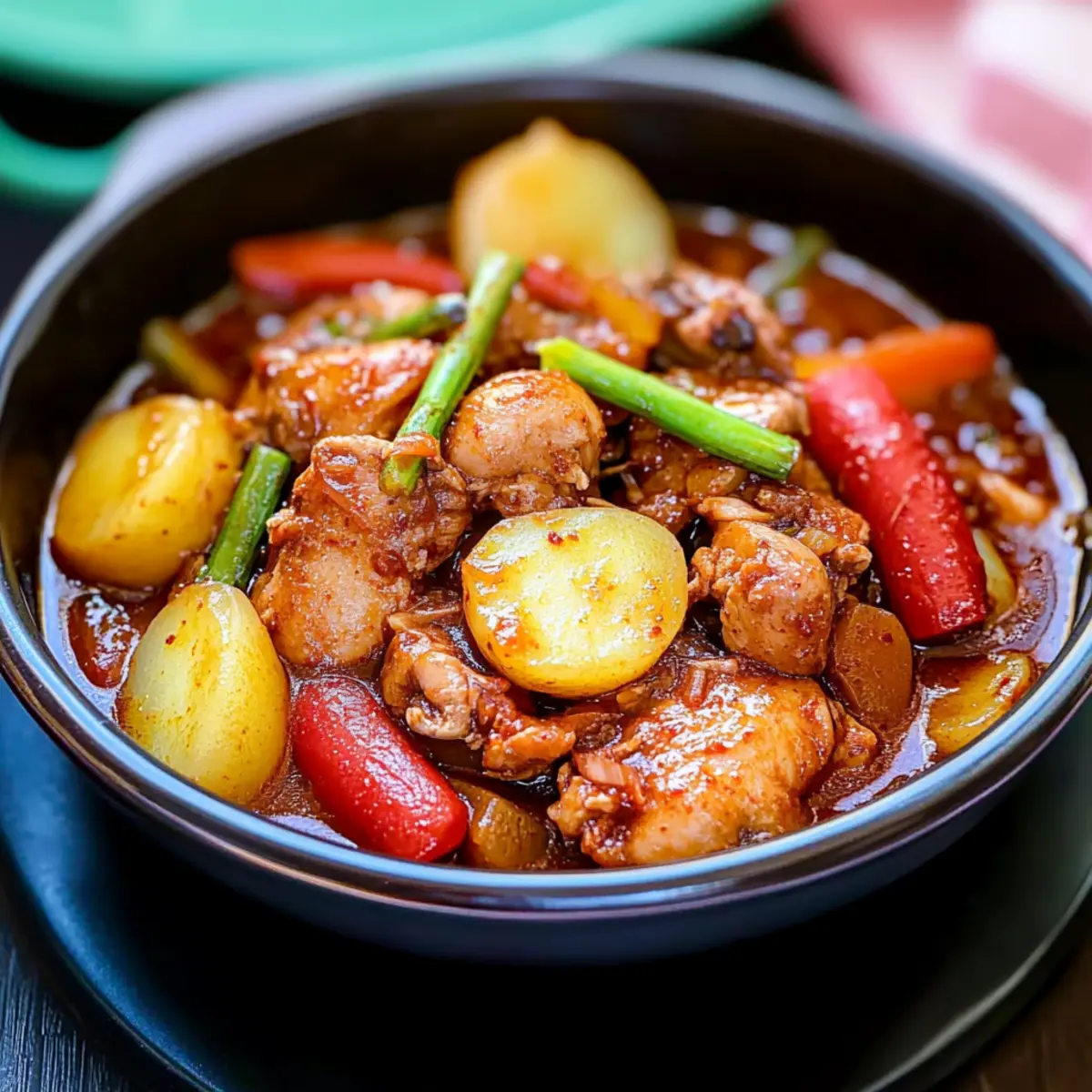
Why is Dakbokkeumtang a must-try?
Comforting Warmth: Each bowl of this hearty stew brings a wave of warmth that feels like a hug on a cold day.
Customizable Delight: The versatility is endless—add your favorite veggies or protein substitutes, from pork to tofu.
Simple Preparation: With easy methods like stovetop or slow cooker, achieving deliciousness is stress-free, just like in my favorite Garlic Parmesan Chicken recipe.
Savory, Spicy Flavor: Enjoy the delightful blend of gochugaru and gochujang, creating an unforgettable spicy experience that tantalizes your taste buds.
Perfect for Gatherings: Dakbokkeumtang shines at dinner parties, effortlessly impressing family and friends with its rich flavors that truly capture the essence of Korean comfort food.
Dakbokkeumtang Ingredients
For the Stew Base
• Bone-in Chicken Parts – Best to use thighs and drumsticks for a juicy finish.
• Potatoes – Adds heartiness; can substitute with sweet potatoes for a different sweetness.
• Carrot – Optional; gives a touch of natural sweetness and bright color.
• Onion – Enhances flavor; a medium onion cut into large chunks works best.
• Garlic Cloves – Use whole for a mellow, aromatic depth.
• Ginger – Thinly slice or grate for a spicy warmth that elevates the stew.
For the Flavoring
• Scallions – Freshness and garnish; sprinkle before serving for a vibrant touch.
• Red Chili Pepper – Optional; adds extra heat and a pop of color.
• Gochugaru (Korean Red Chili Pepper Flakes) – Key for spiciness; adjust to taste for the perfect kick.
• Sugar – Counterbalances the heat; tailor to your sweetness preference.
• Soy Sauce – Provides umami depth and essential saltiness.
• Rice Wine (or Mirin) – Adds subtle sweetness and enhances flavor complexity.
• Gochujang (Korean Red Chili Pepper Paste) – Essential for a rich, spicy sauce; don’t skip this!
• Pepper – For additional seasoning, rounding out the flavors.
Finishing Touches
• Sesame Oil – A nutty aroma; add as a finishing touch for depth.
• Sesame Seeds – For garnish and a satisfying crunch that enhances texture.
This Dakbokkeumtang is destined to become a weekly favorite, blending simple ingredients to create heartwarming comfort food!
Step‑by‑Step Instructions for Spicy Dakbokkeumtang (Korean Chicken Stew)
Step 1: Prepare the Vegetables
Begin by washing and cutting the potatoes, carrots, and onion into large chunks. Peel the garlic cloves while thinly slicing or grating the ginger for added flavor. Set aside your chopped veggies to make the cooking process smoother and faster when making the Spicy Dakbokkeumtang.
Step 2: Combine Ingredients in the Pot
In a large pot, combine 1.5 cups of water, the bone-in chicken parts, and all sauce ingredients such as soy sauce, gochugaru, gochujang, rice wine, sugar, and pepper. Stir well and bring the mixture to a boil over medium-high heat. This step infuses the chicken with the rich flavors essential for a delicious Dakbokkeumtang.
Step 3: Simmer the Chicken
Once boiling, reduce the heat to low and cover the pot. Allow the chicken to simmer for about 15 minutes, stirring occasionally. You’ll know it’s ready when the chicken begins to soften and absorb the flavorful broth, creating an aromatic base for your stew.
Step 4: Add Vegetables
After 15 minutes, carefully lift the lid and add the prepared vegetables (except for the scallions) to the pot. Stir gently to combine, then cover and let everything cook for an additional 10 minutes. The chicken and veggies will meld together, filling your kitchen with irresistible scents.
Step 5: Thicken the Sauce
Remove the lid and continue cooking uncovered for about 5 minutes. This allows the sauce to thicken while ensuring that the chicken is tender and fully cooked. Keep an eye on the texture, as a thick, rich sauce is what makes Dakbokkeumtang so comforting.
Step 6: Final Touches
Stir in the scallions, optional red chili pepper, and drizzle sesame oil over the stew for extra flavor. Give everything a gentle mix to combine the ingredients before serving. The vibrant colors and fragrances will promise a delightful dish of Spicy Dakbokkeumtang to enjoy with family or friends.
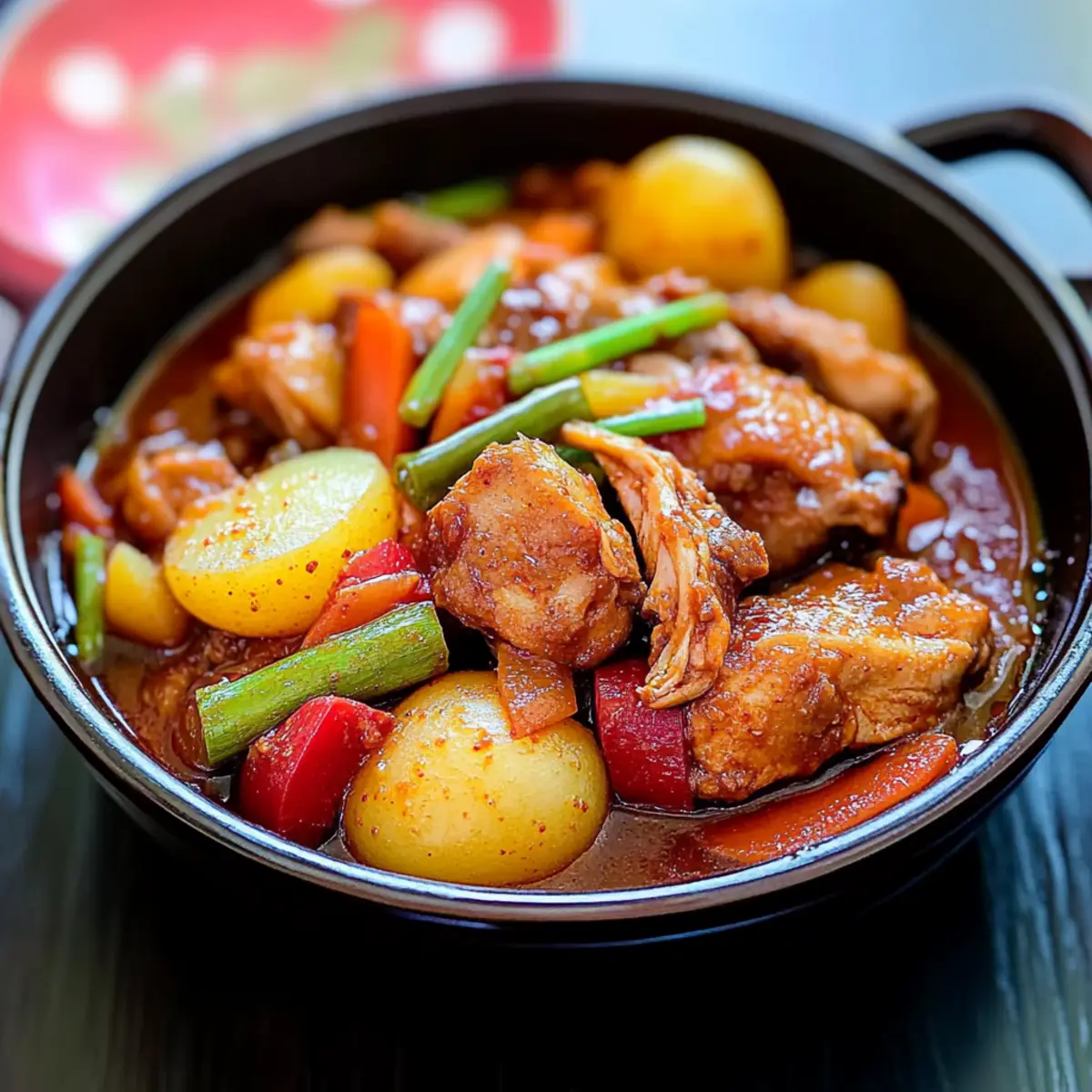
What to Serve with Spicy Korean Dakbokkeumtang?
When crafting a delightful meal around Dakbokkeumtang, it’s essential to consider sides that enhance its rich, spicy flavors while offering comforting balance.
-
Steamed White Rice: The classic choice, it absorbs the savory sauce beautifully, creating a harmonious blend with each bite.
-
Crusty Bread: A warm baguette or sourdough is perfect for soaking up the delicious stew, making every morsel a treat.
-
Kimchi: The tangy, fermented crunch of kimchi adds a refreshing contrast, brightening the dish with its bold flavors.
-
Korean Pickled Vegetables: These add a delightful zesty kick that balances the stew’s richness, making each bite an adventure.
-
Seasoned Spinach Salad: Lightly dressed with sesame oil and garlic, this dish adds a fresh, vibrant note that complements the hearty stew wonderfully.
-
Tofu Stir-Fry: Crisp-tender tofu sautéed with colorful bell peppers enhances flavor diversity, creating a nutritionally balanced meal.
-
Ginger-Infused Lemonade: A refreshing drink, the zing of ginger and citrus cuts through the stew’s richness, awakening your palate.
Each of these accompaniments elevates your meal experience, allowing the depth of Dakbokkeumtang to shine while providing delightful contrasts that warm the heart.
Dakbokkeumtang Variations & Substitutions
Feel free to let your creativity shine by personalizing this comforting stew to suit your taste!
-
Protein Swap: Try using pork or tofu instead of chicken for a different flavor profile. Both options provide a savory twist that works well with the spicy sauce.
-
Sweet Potato Option: Replace regular potatoes with sweet potatoes for a hint of sweetness and a burst of color. This variation not only enhances the stew’s flavor but also adds nutritional benefits.
-
Vegetable Medley: Add in other vegetables, such as bell peppers or zucchini, based on what you have on hand. With each addition, the stew transforms, lending unique textures and flavors that keep it exciting.
-
Noodle Addition: For a heartier meal, include starch noodles or tteokbokki rice cakes. They soak up the rich sauce beautifully and contribute to the stew’s comforting texture.
-
Flavor Infusion: Try adding a touch of coconut milk for a creamy twist that marries well with the spicy elements. The result is a delightful fusion of flavors that surprises every taste bud.
-
Heat Level Adjustments: For a more fiery kick, increase the quantity of gochugaru and gochujang. You can find this key ingredient in many recipes, like my favorite Marry Chicken Pasta where spice levels are joyfully customizable!
-
Slow Cooker Method: If you prefer, cook the stew in a slow cooker for a hassle-free, hands-off experience. Just throw everything in and let it work its magic!
With all these options, the cooking journey is an adventure waiting to unfold, making every meal special and tailored just for you.
Make Ahead Options
Preparing Spicy Dakbokkeumtang ahead of time is a fantastic way to save time on busy nights! You can chop the vegetables (potatoes, carrots, and onion) and securely refrigerate them up to 24 hours in advance. Additionally, you can marinate the chicken with the sauce ingredients (excluding the sesame oil and seeds) for enhanced flavor, keeping it in the fridge for up to 2 days. When you’re ready to cook, simply combine everything in your pot as instructed and simmer until tender. This approach preserves the quality of your stew, ensuring it’s just as delicious and comforting when served!
Storage Tips for Dakbokkeumtang
Fridge: Store leftover Dakbokkeumtang in an airtight container for up to 3 days. Allow it to cool completely before sealing to maintain freshness.
Freezer: Freeze the stew in a freezer-safe container for up to 3 months. To prevent freezer burn, ensure it’s well-covered or double-wrapped.
Reheating: To reheat, thaw overnight in the fridge if frozen, then warm gently on the stovetop over low heat until heated through, adding a splash of water if needed to loosen the sauce.
Room Temperature: Avoid leaving Dakbokkeumtang at room temperature for more than 2 hours to ensure food safety and preserve its delicious flavors.
Expert Tips for Dakbokkeumtang
-
Spice Control: Adjust gochugaru and gochujang according to your heat preference; start conservatively and add more for an extra kick.
-
Chicken Tenderness: Ensure your chicken is fully cooked and tender; use a meat thermometer to check for 165°F (75°C) to guarantee safety.
-
Lid On, Flavor In: Cover the pot while simmering to keep moisture and flavor locked in, preventing a dry stew.
-
Fat Skimming: If you prefer a lighter stew, skim off excess fat from the surface before serving for a cleaner finish.
-
Vegetable Versatility: Feel free to experiment with seasonal vegetables like bell peppers or zucchini, enhancing flavors and nutrition in your Dakbokkeumtang.
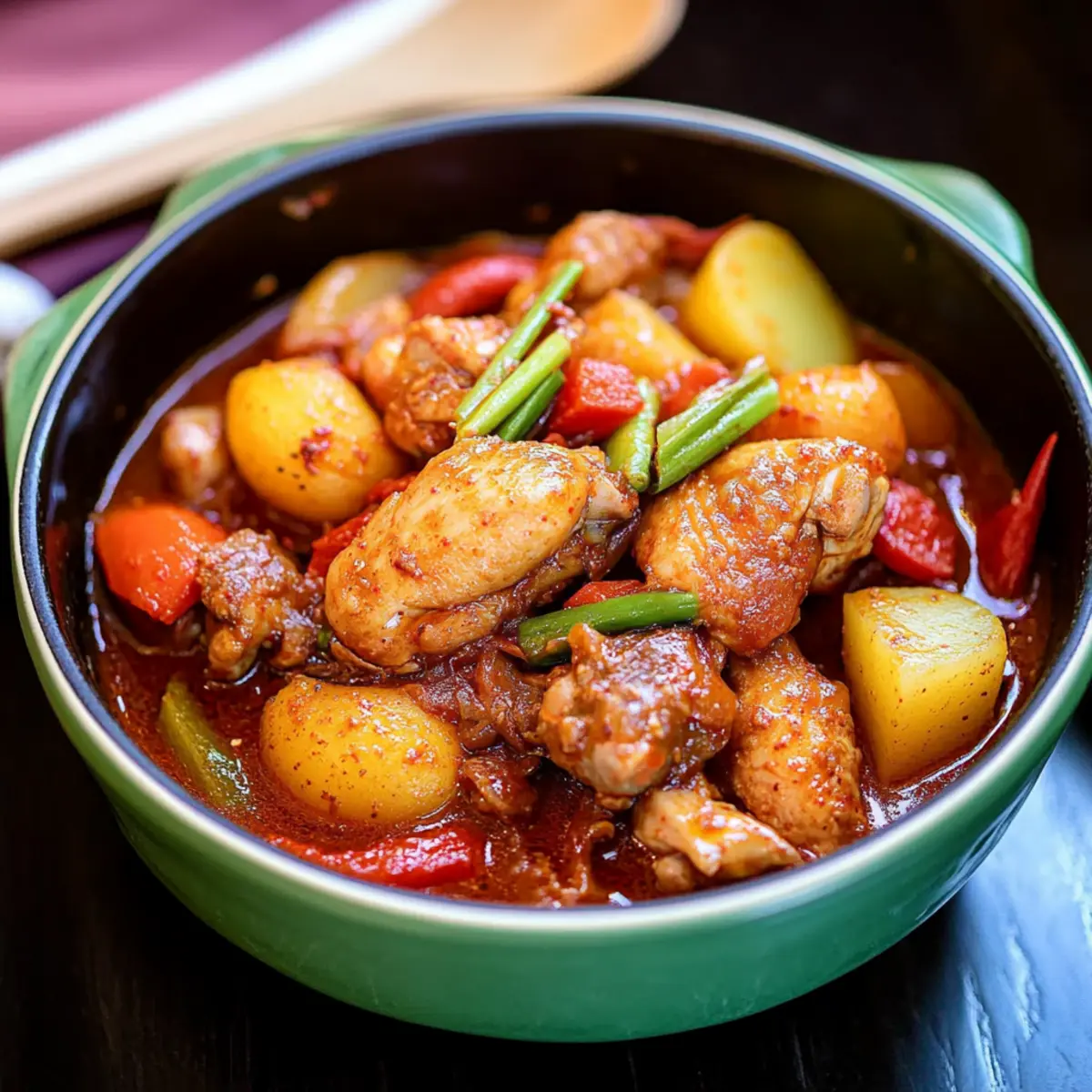
Dakbokkeumtang Recipe FAQs
What type of chicken is best for Dakbokkeumtang?
Absolutely! I recommend using bone-in chicken parts like thighs and drumsticks for their juiciness and robust flavor. The bones add depth to the stew, creating a richer broth that’s comforting and hearty.
How do I store leftover Dakbokkeumtang?
You can refrigerate leftovers in an airtight container for up to 3 days. Make sure to allow the stew to cool completely before sealing it to maintain its freshness and flavor.
Can I freeze Dakbokkeumtang?
Yes, you can freeze Dakbokkeumtang! Transfer the cooled stew into a freezer-safe container, making sure to leave about an inch of space at the top, as it will expand when frozen. It can be stored for up to 3 months. When you’re ready to enjoy it, simply thaw it overnight in the refrigerator and reheat gently on the stovetop.
How can I adjust the spiciness of Dakbokkeumtang?
If you prefer a milder stew, start with half the amount of gochugaru and gochujang, then taste and add more as needed. This way, you can control the heat level to suit your taste. The key is to start small; you can always increase it, but it’s hard to tone it down once you add too much!
Is Dakbokkeumtang safe for my pets?
While Dakbokkeumtang might be delicious for us humans, it’s important to keep it away from pets, particularly due to ingredients like garlic and onions that can be harmful to them. Always consult your veterinarian before sharing homemade food with your furry friends.
What do I do if my Dakbokkeumtang is too thick?
Very easily! If you find that your stew has thickened too much, simply add a splash of water or chicken broth while reheating. Stir well and let it simmer for a few minutes; this will help regain that desired, hearty consistency while ensuring the flavors remain intact.
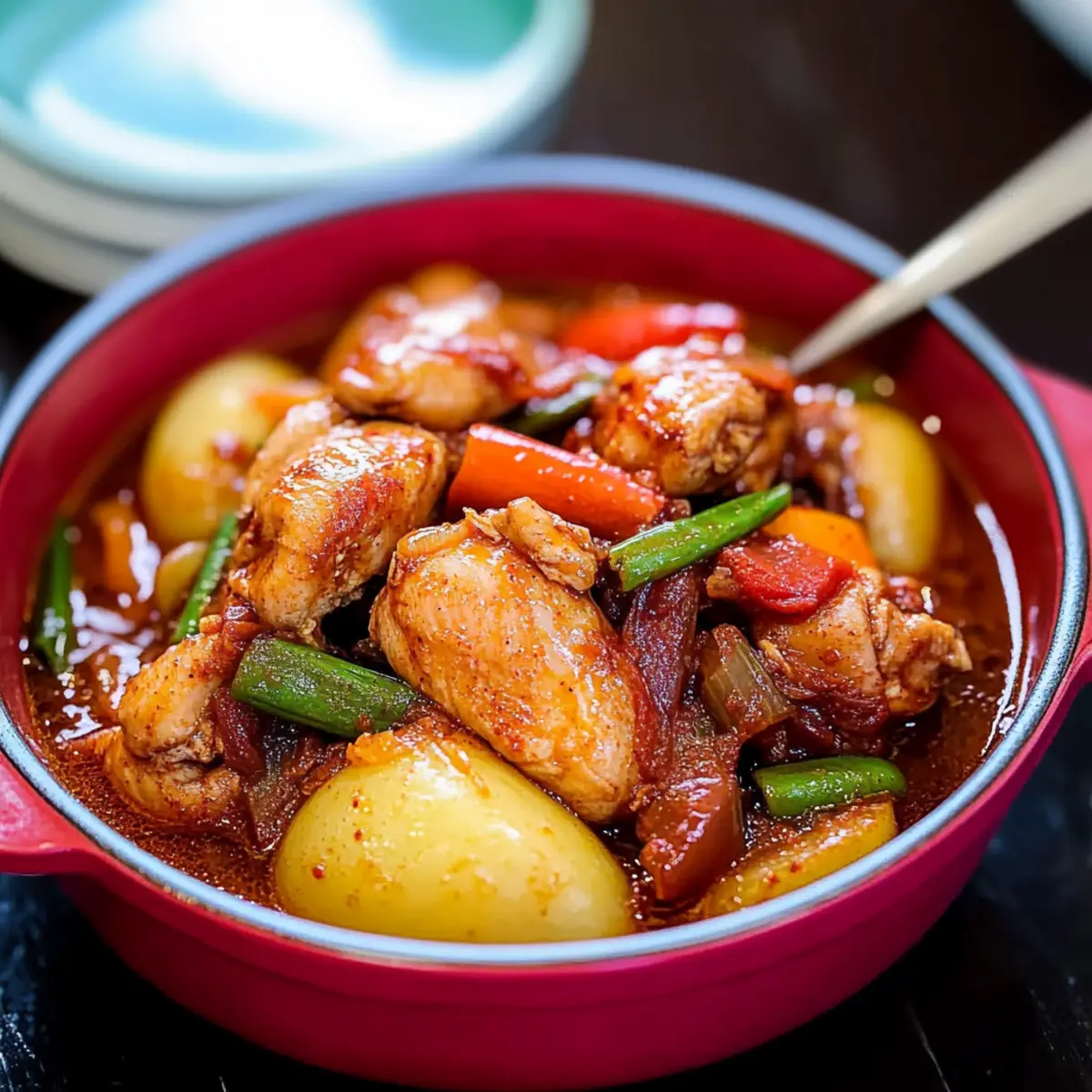
Spicy Dakbokkeumtang: A Cozy Korean Chicken Stew Delight
Ingredients
Equipment
Method
- Prepare the Vegetables: Wash and cut potatoes, carrots, and onion into large chunks. Peel garlic cloves and thinly slice or grate ginger. Set aside.
- Combine Ingredients in the Pot: In a large pot, combine 1.5 cups of water, bone-in chicken parts, and all sauce ingredients. Stir well and bring to a boil.
- Simmer the Chicken: Once boiling, reduce heat to low, cover and simmer for about 15 minutes, stirring occasionally.
- Add Vegetables: After 15 minutes, add prepared vegetables (except scallions) to the pot. Stir gently and let cook for an additional 10 minutes.
- Thicken the Sauce: Remove lid and continue cooking uncovered for about 5 minutes to thicken the sauce.
- Final Touches: Stir in scallions, optional red chili pepper, and drizzle sesame oil over the stew. Mix gently before serving.