

As the chill of winter settles in, I find myself seeking solace in the kitchen, where a pot of classic beef stew simmers gently on the stovetop. This isn’t just any recipe; it’s a beloved comfort food with tender beef and a colorful medley of vegetables, perfect for warming both body and soul. This hearty dish is incredibly versatile, allowing you to sneak in leftover veggies while offering a delightful escape from the ubiquitous fast food culture. Plus, with its uncomplicated preparation and deeply satisfying flavors, it’s no wonder my family gravitates toward this meal on cold nights. Are you ready to create your own pot of comfort? Let’s dive into the details of this classic beef stew!
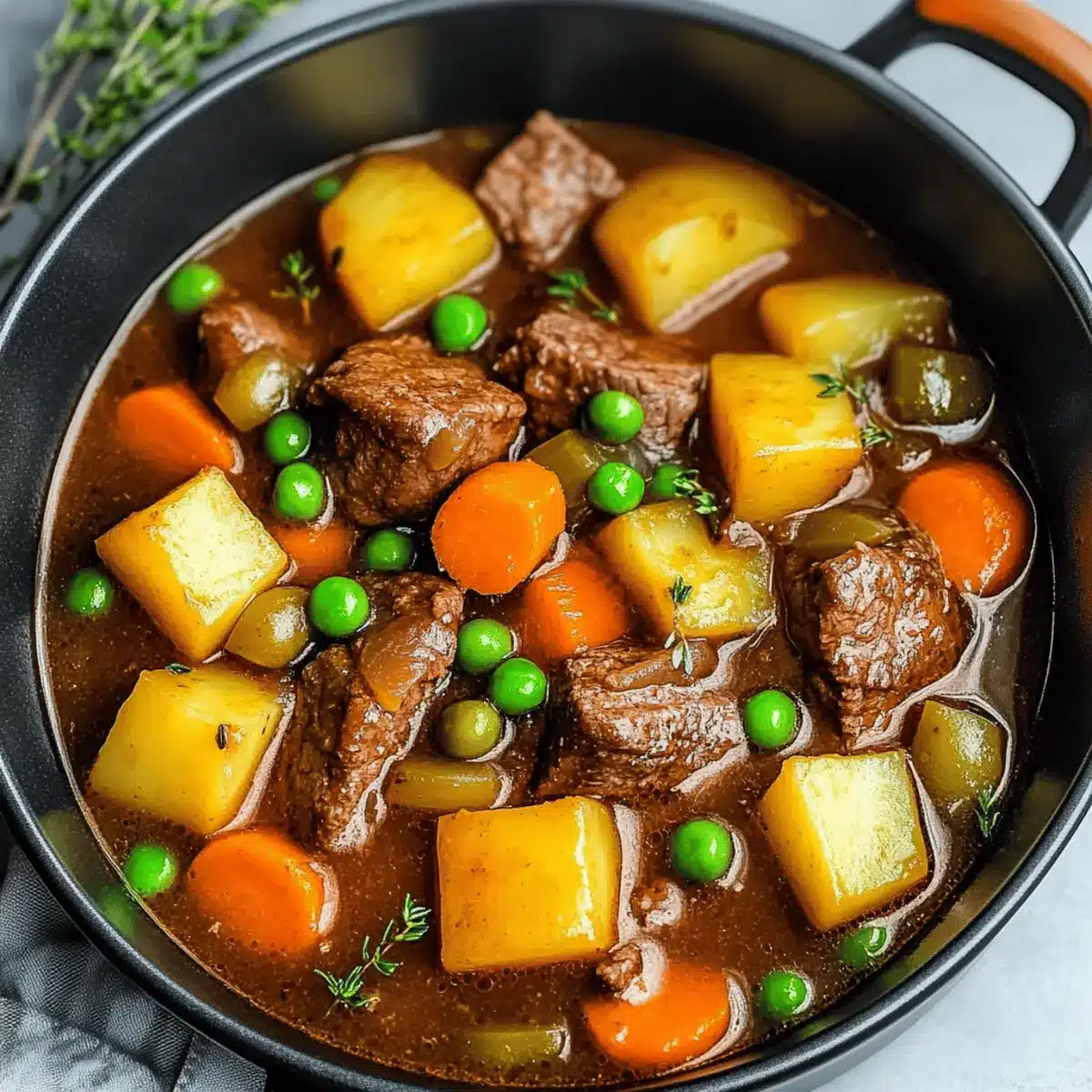
Why is Beef Stew a Family Favorite?
Comforting and Nourishing: This classic beef stew is the epitome of comfort food, providing hearty warmth and satisfaction.
Versatile Recipe: It’s a fantastic way to use up leftover veggies, making each pot a unique creation.
Easy Preparation: With minimal effort, you can create a dish that simmers to perfection while you catch up on your day.
Flavorful Depth: The searing of beef and the blend of herbs create a rich and savory broth that will have everyone asking for seconds.
Crowd-Pleaser: Whether for a cozy family dinner or a gathering with friends, this hearty stew is always a hit, much like my Cheesy Beef Burritos or Savory Beef Tenderloin.
Get ready to bring a pot of comfort to your table!
Beef Stew Ingredients
• A comforting dish awaits!
For the Stew
• Beef – 2 pounds stewing beef, trimmed and cubed – provides the main protein, resulting in rich flavors.
• Flour – 3 tablespoons all-purpose flour – used for dredging the beef and thickening the stew.
• Garlic Powder – ½ teaspoon – adds delightful depth of flavor.
• Salt – ½ teaspoon – enhances all the other flavors wonderfully.
• Black Pepper – ½ teaspoon – contributes a subtle kick of spice.
• Olive Oil – 3 tablespoons (more as needed) – essential for browning the beef and sautéing vegetables.
• Onion – 1 chopped – forms the aromatic base of this hearty stew.
• Beef Broth – 6 cups – the key liquid that brings rich and savory depth to the stew.
• Red Wine – ½ cup (optional) – enhances flavor complexity and is perfect if you want to elevate your beef stew.
• Potatoes – 1 pound, peeled and cubed – adds heartiness and texture.
• Carrots – 4, cut into 1-inch pieces – infuse natural sweetness and vibrant color.
• Celery – 4 ribs, cut into 1-inch pieces – introduces crunch and aromatic flavor.
• Tomato Paste – 3 tablespoons – provides slight acidity and richness that enhances the broth.
• Rosemary – 1 teaspoon dried or 1 sprig fresh – infuses the stew with fragrant herbal notes.
• Cornstarch – 2 tablespoons (or as needed) – used for thickening the stew to your desired consistency.
• Water – 2 tablespoons (or as needed) – needed to create a slurry with cornstarch.
• Peas – ¾ cup – not only adds color but also cooks quickly for a fresh finish.
Now that you have all the ingredients ready, you’re one step closer to a cozy pot of beef stew that will warm your heart on chilly nights!
Step‑by‑Step Instructions for Beef Stew
Step 1: Dredging the Beef
In a shallow dish, combine the flour, garlic powder, salt, and black pepper. Take your 2 pounds of cubed stewing beef, shaking off excess moisture before dredging each piece in the flour mixture, ensuring an even coat. This step will add flavor and help thicken your hearty beef stew later.
Step 2: Browning the Beef
Heat 3 tablespoons of olive oil in a large Dutch oven over medium-high heat until shimmering, about 2-3 minutes. Add the dredged beef in batches, ensuring not to overcrowd the pan. Brown each side for about 3-4 minutes until rich and golden, then remove and set the beef aside on a plate, retaining the flavorful brown bits in the pot.
Step 3: Sautéing Onions
In the same pot, add the chopped onion and sauté for about 3 minutes until softened and translucent. The heated oil will help release the delicious bits stuck to the bottom. Stir occasionally, scraping those bits up to incorporate all the flavors from the browned beef into your beef stew.
Step 4: Deglazing the Pot
Pour in 6 cups of beef broth and the optional ½ cup of red wine, stirring vigorously to deglaze the pot. This process incorporates all those flavorful browned bits into the liquid base, creating a rich foundation for your beef stew. Bring this mixture to a gentle simmer.
Step 5: Adding the Vegetables
Return the browned beef to the pot, then add the peeled and cubed potatoes, 1 pound of carrots, and 4 ribs of chopped celery. Stir in 3 tablespoons of tomato paste and 1 teaspoon of rosemary. The vegetables will both complement the beef and add heartiness to your stew. Stir well to combine.
Step 6: Simmering the Stew
Lower the heat to a gentle simmer and cover the Dutch oven. Let your beef stew bubble away for 1 to 1.5 hours, stirring occasionally until the beef is tender and the vegetables are soft. You’ll know it’s done when everything is well-combined, aromatic, and thickened, promising warmth and nourishment.
Step 7: Thickening the Stew
In a small bowl, mix 2 tablespoons of cornstarch with 2 tablespoons of water to create a slurry. Once your beef stew is simmering, gradually stir in the cornstarch mixture to thicken it to your desired consistency, allowing it to return to a gentle boil for a few minutes as it thickens further.
Step 8: Final Touches
Finally, add ¾ cup of peas to your beef stew, simmering for an additional 5-10 minutes. This brightens up the dish with a splash of color and a fresh taste. Give it a good stir, then season with extra salt and pepper to taste before serving up this comforting bowl of beef stew for your family to enjoy.
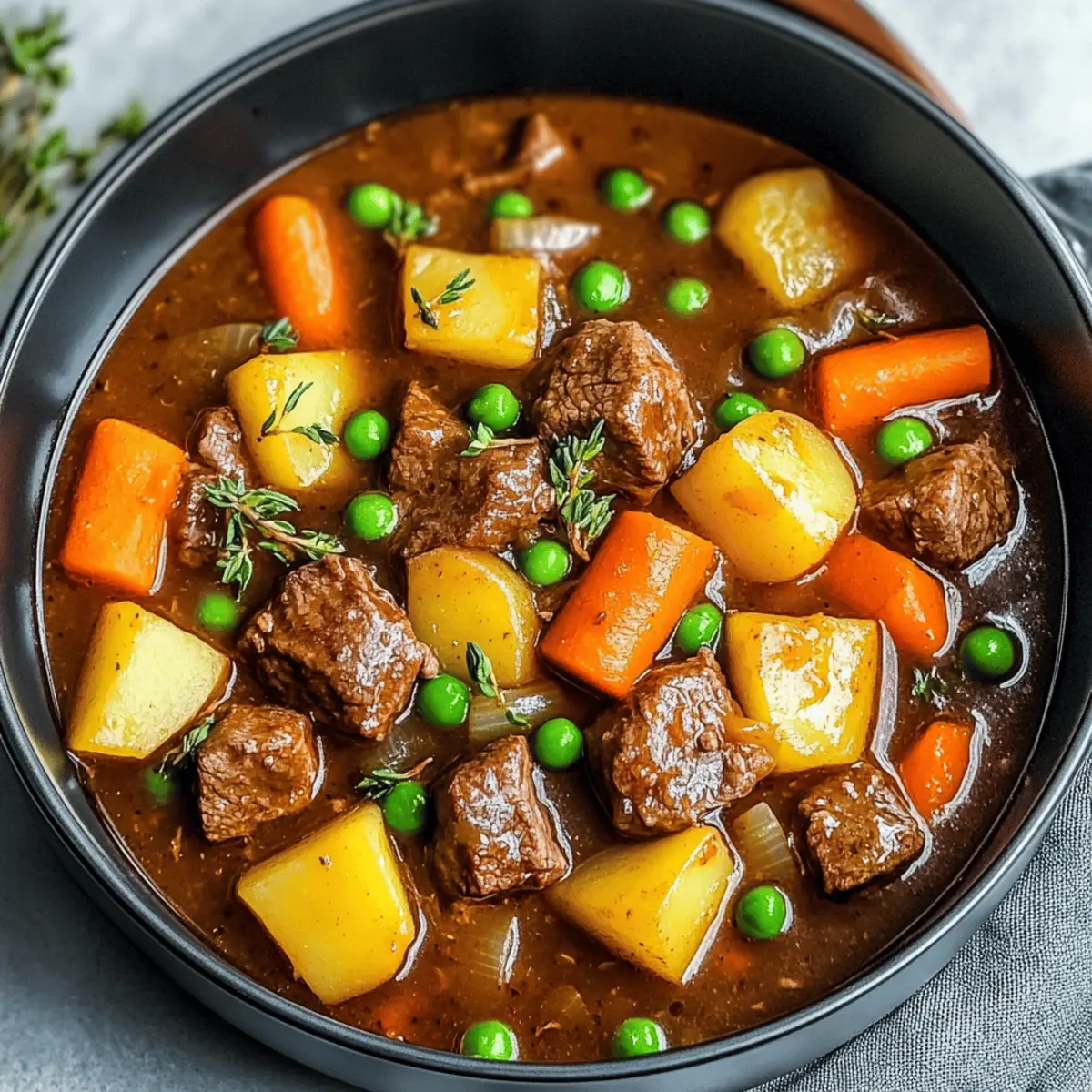
Make Ahead Options
These Classic Beef Stew preparations are a true lifesaver for busy home cooks! You can prepare the beef and vegetable mixture up to 24 hours in advance. Simply dredge the beef and sear it, then cool and refrigerate it, along with the chopped vegetables in an airtight container to maintain freshness. When you’re ready to serve, simply pour your beef and vegetable mix into the pot, add the broth, and simmer as directed for about 1.5 hours until everything is tender and flavors meld together beautifully. This approach ensures you can enjoy a delicious, homemade beef stew with minimal effort on a busy weeknight, making your meal prep not just convenient but also incredibly satisfying!
Expert Tips for Beef Stew
Sear for Flavor: Begin by searing your beef properly; browning enhances the depth of flavor in your beef stew through caramelization.
Simmer Low and Slow: Take your time! Simmering at a low temperature for 1 to 1.5 hours allows the beef to become meltingly tender and flavors to marry beautifully.
Thickening Made Easy: Adjust the consistency of your stew by varying the cornstarch slurry; ensure the stew is boiling after adding to eliminate any starchy taste.
Flexible Veggies: Use up any leftover vegetables in your fridge! Just add them in the last 20-30 minutes of cooking, so they retain their texture and nutrients.
Taste as You Go: It’s always a good practice to taste and adjust seasoning throughout cooking; a little extra salt or pepper makes your beef stew shine!
Leftover Love: This dish stores wonderfully! Make extra to enjoy later; it even tastes better the next day as flavors deepen.
Beef Stew Variations You’ll Love
Feel free to customize this beef stew recipe to fit your family’s taste or what you have on hand—let your creativity shine!
- Chuck Steak: Swap the stewing beef for chuck steak for a richer flavor and tender texture as it cooks down.
- Pork Option: Use pork shoulder instead of beef for a delicious twist that brings a slightly sweeter taste.
- Mushroom Medley: Add sliced mushrooms for an earthy depth, complementing the beef beautifully and creating a wholesome bite.
- Veggie-Packed: Sneak in leftover vegetables like bell peppers or zucchini to make use of what’s in your fridge, enhancing flavor and nutrients.
- Spicy Kick: Spice things up with a dash of cayenne pepper or some diced jalapeños for those who like a little heat!
- Herb Delight: Experiment by swapping rosemary with other herbs, such as thyme or sage, to find your favorite flavor combinations.
- Tomato Richness: Stir in a can of diced tomatoes for added acidity and a bit of brightness that contrasts the stew’s richness.
- Red Wine Lovers: Trying a full-bodied red wine instead of the suggested half-cup can deepen that comforting flavor, making it even more luxurious.
With these variations, you’ll create a comforting bowl of beef stew that feels personal and special to your family—ready to warm up those chilly evenings! If you’re in the mood for another comforting dish, don’t forget to check out my Hearty Beef Barley recipe for another go-to favorite!
What to Serve with Classic Beef Stew?
As the aroma of your simmering beef stew wafts through your home, enhance your meal with delightful side dishes that perfectly complement this hearty classic.
- Creamy Mashed Potatoes: Their velvety texture and mild flavor make them the ideal base for soaking up the savory stew broth.
- Homemade Biscuits: Fluffy and buttery, they are perfect for sopping up every rich drop of your beef stew. Each bite is pure comfort.
- Green Salad: A fresh, crisp salad with a light vinaigrette offers a refreshing contrast to the stew’s warmth and richness.
- Roasted Vegetables: Caramelized veggies add layers of flavor and texture, elevating the meal while being wonderfully healthy.
- Garlic Bread: Crunchy on the outside and soft on the inside, it’s another fantastic tool for scooping up that delicious broth.
- Cheesy Polenta: Creamy, cheesy polenta provides a delightful, rich side that complements the savory notes of the beef stew.
- Red Wine: A glass of bold red wine like cabernet blends beautifully with the flavors, enhancing your dining experience.
- Apple Crisp: For dessert, this warm treat adds a sweet finish after a comforting bowl of stew, linking flavors beautifully.
How to Store and Freeze Beef Stew
Fridge: Store your beef stew in an airtight container for up to 3 days. Allow it to cool completely before refrigerating to preserve the best flavor and texture.
Freezer: Beef stew freezes beautifully! Portion it into single-serving containers or freezer bags, and it will keep well for up to 3 months. To thaw, simply place it in the refrigerator overnight.
Reheating: When ready to enjoy, reheat the beef stew on the stovetop over medium heat, adding a splash of water or broth if needed to revive the texture. Heat until warmed through, about 10-15 minutes.
Tips for Leftovers: Feel free to add any leftover vegetables when reheating to enhance flavor and nutrition in your beef stew.
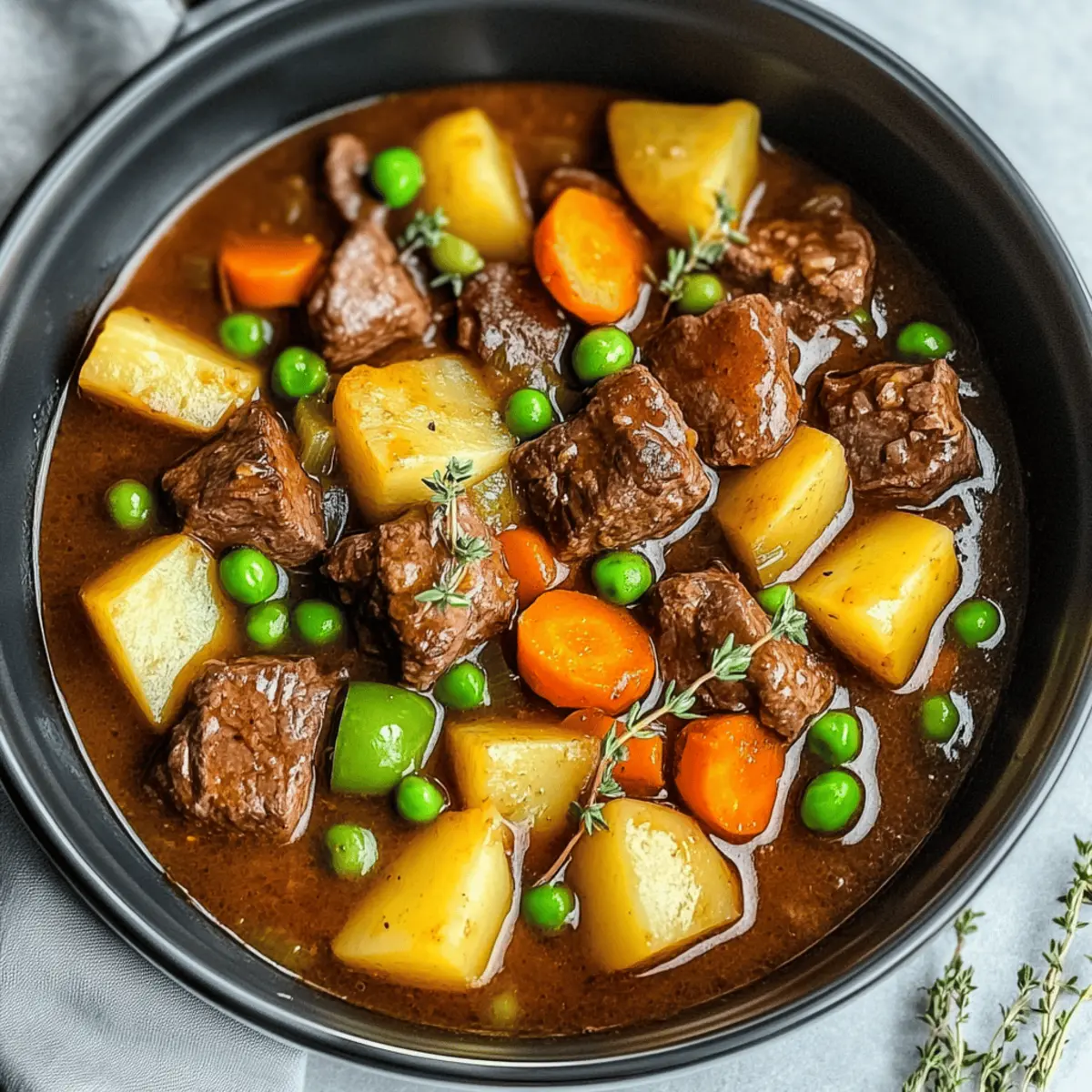
Classic Beef Stew Recipe FAQs
What type of beef is best for making beef stew?
Absolutely! The best cuts for beef stew are those that become tender through slow cooking, such as chuck roast or stewing beef. Look for well-marbled cuts, as the fat will render down during cooking, creating a rich flavor. If you’re using chuck steak, cut it into 1-inch cubes to ensure even cooking.
How long can I store beef stew in the refrigerator?
You can keep beef stew in an airtight container in the refrigerator for up to 3 days. Ensure it has cooled completely before sealing it up; this helps maintain its delicious flavors and textures. It’s easy to grab and reheat for a quick meal on busy nights!
Can I freeze beef stew? If so, how?
Yes! Beef stew freezes remarkably well. Portion it out into single-serving airtight containers or freezer bags, leaving some space for expansion. It will keep for up to 3 months in the freezer. When you’re ready to enjoy it, thaw it overnight in the refrigerator and reheat it on the stovetop. Just add a splash of water or broth to loosen it up during reheating—simple and effective!
What can I do if my beef stew is too watery?
Very! If you find that your beef stew is thinner than you prefer, don’t fret! You can make a cornstarch slurry, mixing equal parts cornstarch and cold water in a small bowl until smooth. Gradually stir this slurry into the simmering stew. Bring it back to a gentle boil and let it thicken for a few minutes. If needed, repeat this process until you reach your desired consistency.
Can I use a slow cooker for this beef stew recipe?
Definitely! If you prefer using a slow cooker, you can still follow the same initial steps of browning the beef and sautéing the onions on the stovetop. Then transfer them to your slow cooker, add all the remaining ingredients, cover, and cook on low for 6-8 hours or high for 3-4 hours until the beef is tender. It’s wonderful for those busy days when you want the stew to cook itself.
Are there any dietary considerations when making beef stew?
Absolutely! If you’re cooking for someone with dietary restrictions, be mindful of ingredients. For gluten-free adjustments, swap regular flour for gluten-free flour or cornstarch to dredge the beef. You can also carefully check the broth and any added sauces for gluten-free certification. If there’s a concern for allergies, make sure to communicate with your guests or family members about the ingredients you’re using to ensure everyone can enjoy this hearty meal!
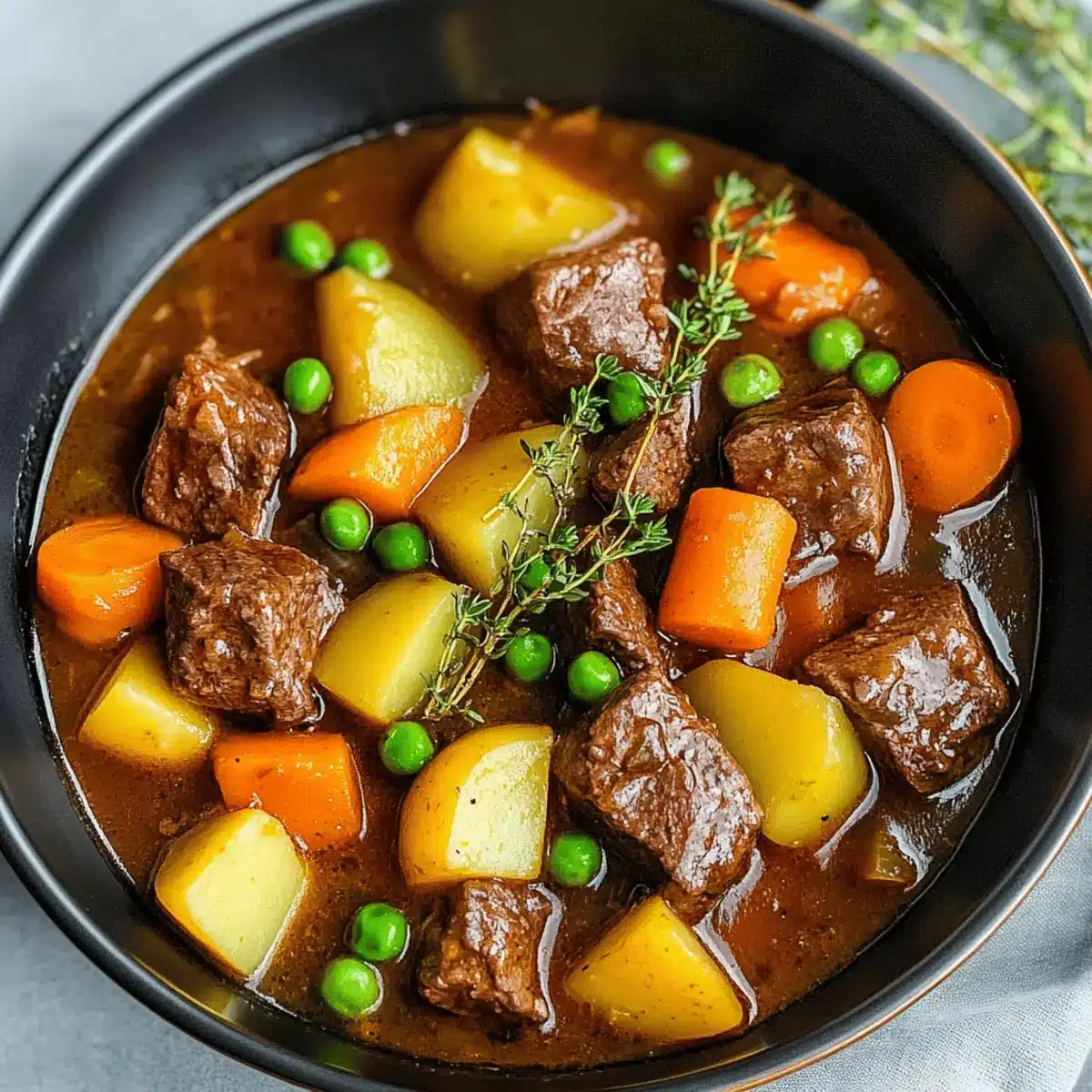
Hearty Beef Stew: A Cozy Classic for Every Family Table
Ingredients
Equipment
Method
- In a shallow dish, combine the flour, garlic powder, salt, and black pepper. Dredge each piece of beef in the flour mixture.
- Heat olive oil in a large Dutch oven. Brown the beef in batches for 3-4 minutes on each side.
- Add the chopped onion to the same pot and sauté for about 3 minutes until softened.
- Pour in the beef broth and red wine, stirring to deglaze the pot.
- Return the beef to the pot along with potatoes, carrots, celery, tomato paste, and rosemary. Stir to combine.
- Cover and simmer on low heat for 1 to 1.5 hours, stirring occasionally until beef is tender.
- Mix cornstarch with water to create a slurry, then gradually stir it into the stew to thicken.
- Add peas in the last 5-10 minutes before serving and season to taste.