

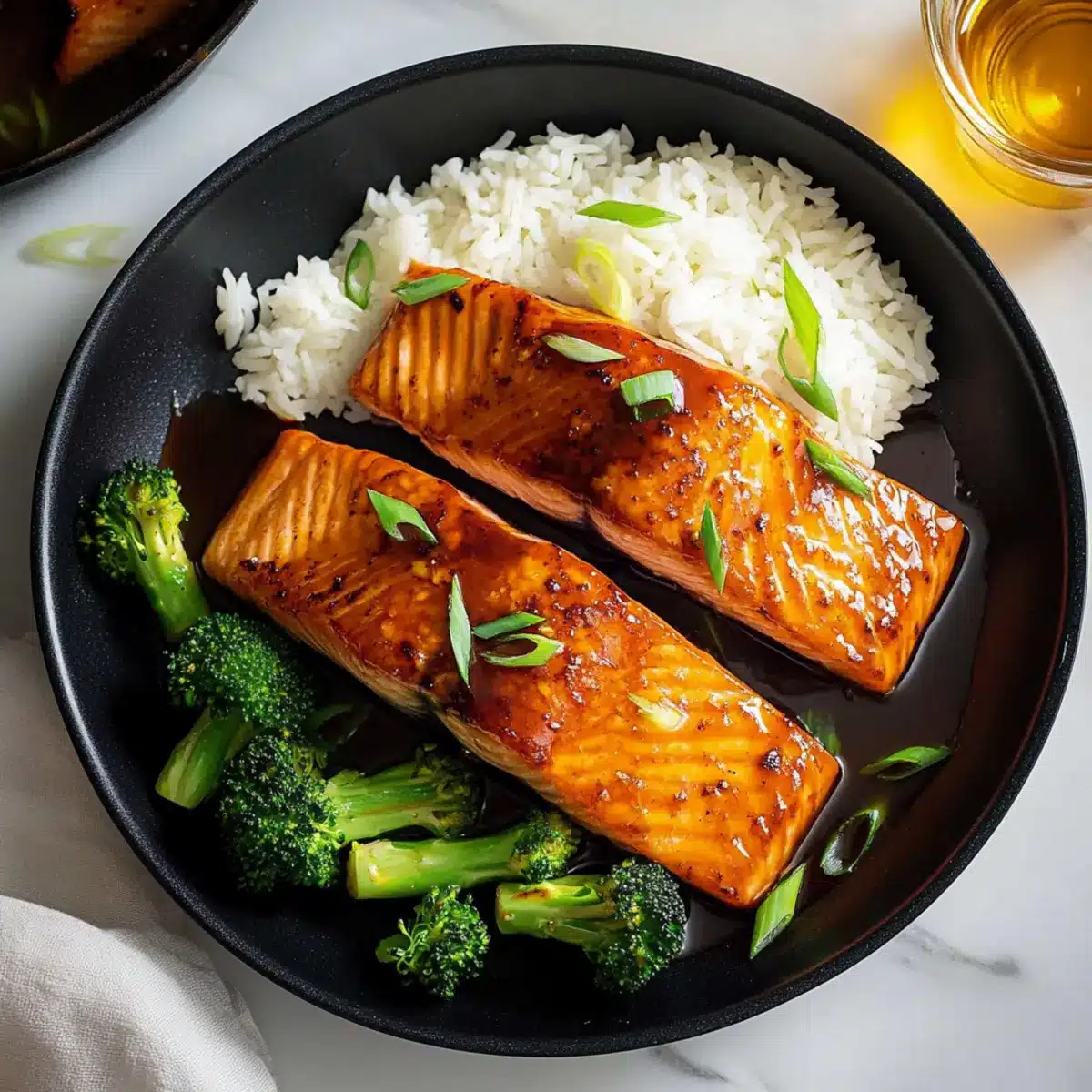
As the sun sets and the kitchen fills with enticing aromas, I realize how simple meals can become my favorite way to unwind. This 20-Minute Teriyaki Salmon recipe is a perfect embodiment of effortless elegance, offering a delightful balance of sweet and savory flavors that will leave everyone around your table asking for seconds. With just six ingredients and an impressive presentation, it transforms busy weeknights into gourmet dining experiences in 30 minutes or less. Not only is this dish quick to prepare, but it’s also gluten-free, making it a fantastic choice whether you’re impressing guests or enjoying a cozy night in. Are you ready to learn how to make this restaurant-quality dish at home?
Why is Teriyaki Salmon a Must-Try?
Quick Preparation: In just 20 minutes, you can whip up a delicious dinner that will impress any crowd.
Deliciously Unique: The sweet and savory glaze makes each bite a tantalizing experience, unlike anything fast food can offer.
Gluten-Free Option: Easily accommodate dietary needs with gluten-free soy sauce or coconut aminos.
Versatile Serving: Pair it with jasmine rice and sautéed veggies or toss it over a fresh salad, making it adaptable for any occasion.
Chef-Approved Flavor: Inspired by Nigella Lawson’s mirin glazed salmon, this recipe captures the essence of gourmet dining right in your kitchen.
Transform your weeknight meals with this delectable recipe—the perfect way to elevate your dining experience! For more simple yet impressive salmon dishes, check out my delicious Garlic Butter Salmon or the zesty Lemon Herb Salmon.
Teriyaki Salmon Ingredients
For the Marinade
• Mirin – A Japanese sweet rice wine that enhances sweetness; substitute with rice vinegar mixed with sugar if needed.
• Light Brown Sugar – This ingredient provides the perfect moisture and sweetness balance; avoid using dark brown sugar.
• Soy Sauce – Adds a depth of flavor and rich saltiness; opt for gluten-free soy sauce or coconut aminos for a gluten-free version.
For the Salmon
• Salmon Fillets – The star of the dish; ensure skin is removed for easier cooking and better presentation.
• Water – Thins the marinade, helping the salmon cook evenly.
For Finishing Touches
• Rice Vinegar – Brightens the sauce beautifully; add at the end to maintain its fresh flavor.
• Scallions – Offers a fresh pop of flavor; use only the dark green parts, thinly sliced for garnish.
Elevate your culinary skills with this quick and delightful Teriyaki Salmon—perfect for a weeknight dinner!
Step‑by‑Step Instructions for Teriyaki Salmon
Step 1: Marinate the Salmon
In a shallow dish, combine the mirin, light brown sugar, and soy sauce to create a sweet and savory marinade. Place the salmon fillets into the marinade, ensuring each piece is well-coated. Allow the salmon to marinate for 5 to 10 minutes while you prepare your cooking area, turning the fillets once for even flavoring.
Step 2: Sear the Salmon
Heat a large nonstick skillet over medium-high heat until it’s hot, then carefully add the salmon fillets, presentation-side down. Sear the fillets for 3 to 5 minutes without moving them, creating a beautiful, deep brown glaze. Keep an eye on the salmon during this time, ensuring it doesn’t stick to the pan or burn.
Step 3: Flip and Cook
Using a thin spatula, gently flip the salmon fillets to the other side. Reduce the heat to medium-low, then pour the reserved marinade and water into the pan. Let the salmon cook for an additional 3 to 5 minutes, spooning the sauce over the top occasionally, until the fish is fully cooked and flakes easily with a fork.
Step 4: Finish the Sauce
Once the salmon is cooked through, remove the fillets from the skillet and set aside. If the sauce in the pan thickens too quickly, add a splash of water to reach your desired consistency. Let the sauce simmer for a minute, and then stir in the rice vinegar for a bright flavor before spooning it over the salmon.
Step 5: Serve
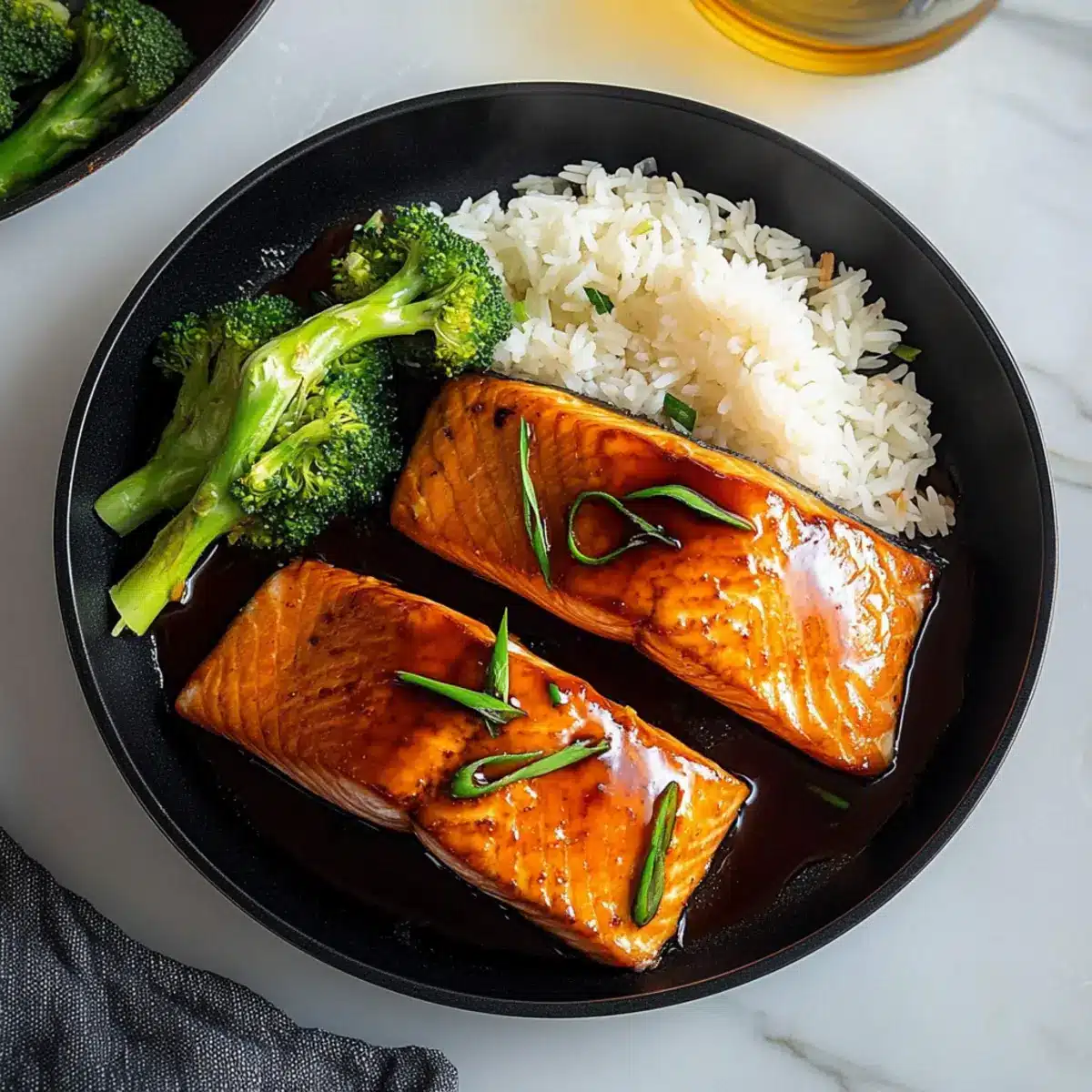
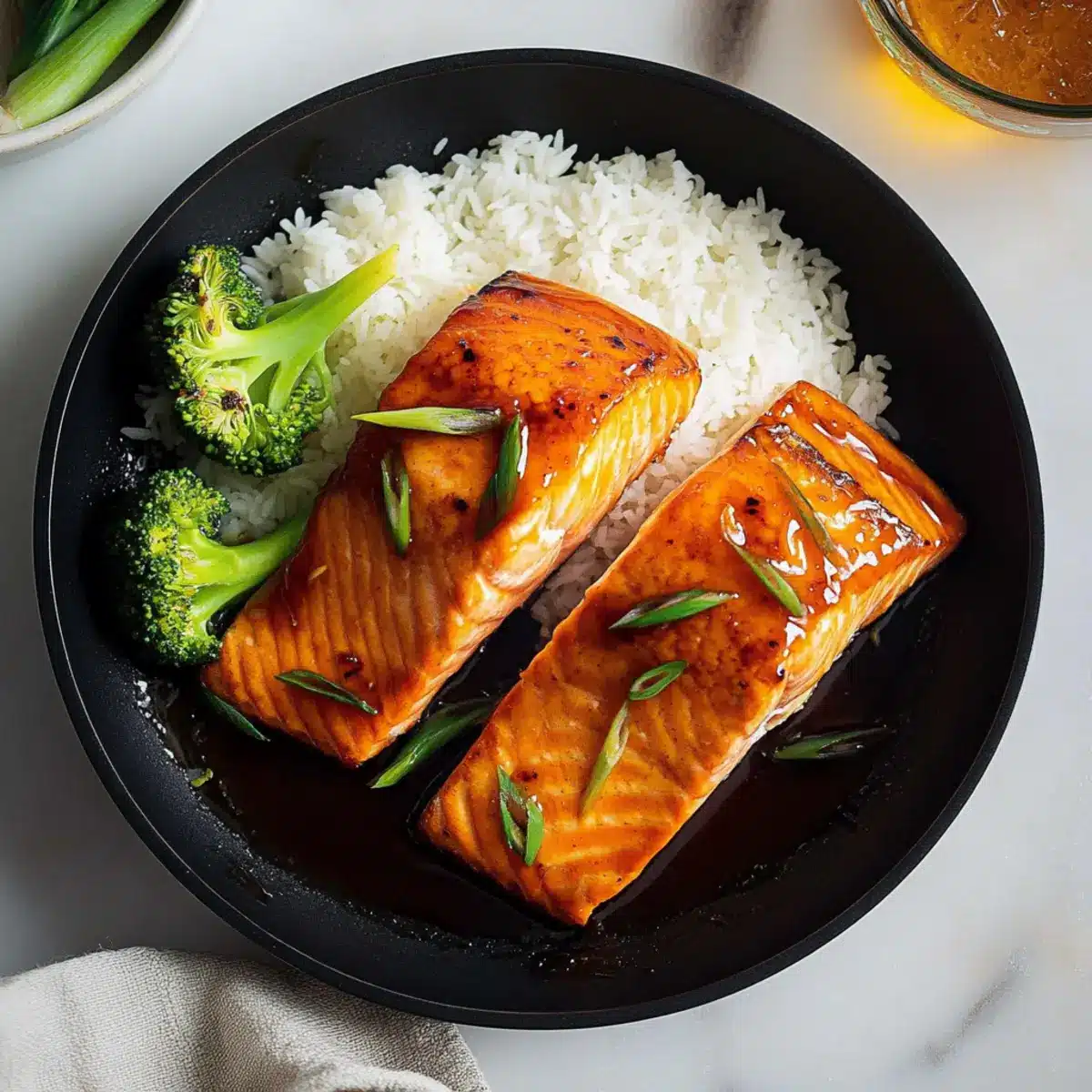
Plate the teriyaki salmon and generously coat each piece with the thickened sauce. Garnish with thinly sliced scallions for an added fresh touch. This flavorful dish is now ready to be served, ideally accompanied by jasmine rice and sautéed vegetables for a wholesome dinner experience.
Teriyaki Salmon Variations & Substitutions
Feel free to explore these delightful twists on the classic teriyaki salmon that will awaken your culinary creativity!
- Dairy-Free: Substitute any butter or dairy ingredients in sides with olive oil for a creamy texture that’s perfect for your gluten-free diet.
- Spicy Kick: Add a dash of sriracha or red pepper flakes to the marinade for a spicy twist that will wake up your taste buds.
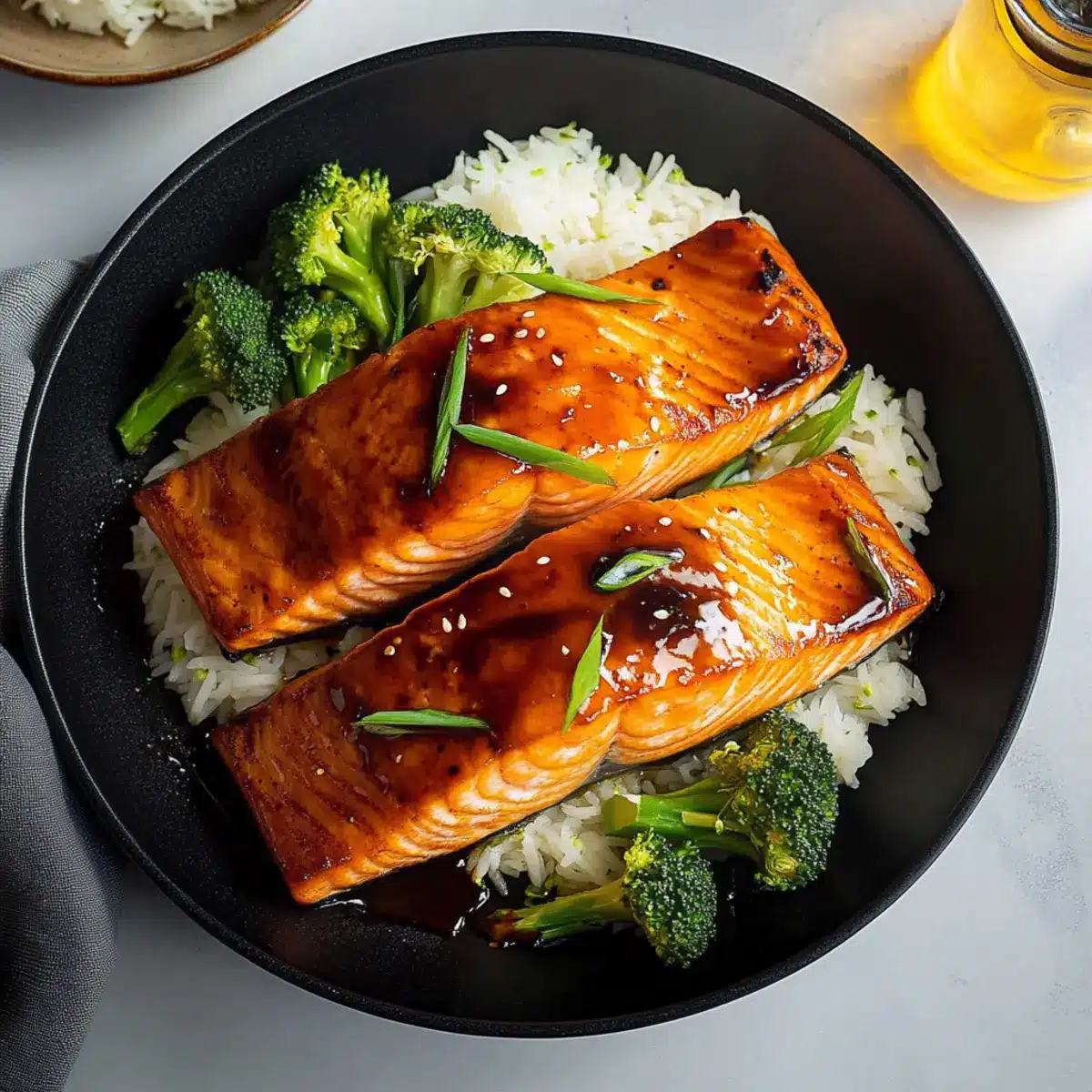
- Sesame Crunch: Top your salmon with toasted sesame seeds after cooking for a delightful crunch that complements the teriyaki glaze beautifully.
- Citrus Zing: A splash of fresh orange or lime juice in the marinade will brighten the flavors and bring a refreshing note to the dish.
- Protein Swap: Substitute the salmon with tofu or firm white fish for a lighter option that still provides a satisfying bite. The glaze will work perfectly in each case!
- Veggie-Packed: Serve your salmon over a bed of stir-fried vegetables like bell peppers and snap peas for a colorful and nutritious presentation.
- Asian Salad: For a fresh twist, serve your teriyaki salmon over an Asian-style salad with cucumbers, avocado, and cilantro to elevate the meal’s lightness.
- Sweet Pineapple: Incorporate small chunks of fresh pineapple into the side or the sauce; it complements the sweet and savory tones of the teriyaki beautifully.
Ready to whip up this delicious teriyaki salmon? Transform your weeknight dinners with this dish and consider pairing it with my dreamy Honey Butter Salmon for another stunning option that everyone at your table will adore!
How to Store and Freeze Teriyaki Salmon
Fridge: Keep leftover teriyaki salmon in an airtight container for up to 2 days. The glaze will continue to enhance the flavors as it sits.
Freezer: You can freeze the salmon for up to 3 months. Wrap tightly in plastic wrap and then place in a freezer bag to prevent freezer burn.
Reheating: When ready to enjoy, thaw the salmon in the fridge overnight. Reheat gently in a skillet over low heat, adding a splash of water or marinade to keep it moist.
Serving: Teriyaki salmon is best served fresh, but reheated leftovers can still deliver a delicious meal, paired with freshly cooked rice or steamed veggies.
What to Serve with Teriyaki Salmon
As you savor the sweet-savory notes of this delicious dish, let’s consider the perfect companions to elevate your dining experience.
- Jasmine Rice: A classic pairing, the fragrant, fluffy rice absorbs the teriyaki sauce beautifully, balancing the flavors on your plate.
- Sautéed Broccoli: The crisp tender texture of sautéed broccoli provides a nutritious crunch that complements the salmon’s silky finish perfectly.
- Miso Soup: This warm and comforting soup adds umami depth, making the meal feel wholesome and complete.
- Asian Cucumber Salad: The cool, crisp cucumbers tossed in rice vinegar offer a refreshing contrast to the warm salmon, enhancing overall enjoyment.
- Edamame: These lightly salted green soybeans are a protein boost, and their slight sweetness pairs well with the teriyaki glaze.
- Steamed Bok Choy: Cooking bok choy until it is tender enhances its natural sweetness, providing a delightful contrast to the savory salmon.
- Sparkling Sake: Enjoy a glass of chilled sparkling sake; its effervescence will cleanse your palate and elevate the dining experience.
- Sesame Noodles: Tossed in a light dressing, the noodles serve as a delightful side, adding an additional layer of flavor that harmonizes beautifully.
- Chocolate Mousse: For dessert, consider a rich yet airy chocolate mousse; its sweetness wraps up the meal with an indulgent finale.
Expert Tips for Teriyaki Salmon
• Searing Precision: Make sure your skillet is adequately heated before placing salmon in; this ensures a perfect glaze without sticking.
• Gentle Flipping: Use a thin spatula to flip your salmon gently; letting it release naturally prevents tearing and keeps the fillet intact.
• Marinade Adjustments: If the marinade thickens too quickly during cooking, add a touch of water to maintain the desired consistency for your teriyaki salmon.
• Watch the Time: Salmon cooks quickly; keep an eye on it to prevent overcooking. Ideally, it should be flaky yet moist for the best texture.
• Garnishing Tips: Fresh scallions are fantastic, but consider adding a sprinkle of sesame seeds for extra flavor and crunch; it elevates the presentation!
• Serving Variations: Experiment with serving options; try pairing teriyaki salmon with an Asian-style salad or steamed vegetables for a refreshing twist.
Make Ahead Options
These Teriyaki Salmon fillets are a perfect choice for meal prep lovers! You can marinate the salmon in the mirin, brown sugar, and soy sauce up to 24 hours in advance, keeping the flavors vibrant. Simply store the marinated salmon in an airtight container in the refrigerator. When you’re ready to cook, heat your skillet and follow the searing and cooking instructions as directed; it’ll be just as delicious! Additionally, if you like, you can prepare the sauce (without the rice vinegar) up to 3 days ahead and store it in the fridge. Simply reheat and add the vinegar when ready to serve, ensuring a quick yet gourmet meal on busy weeknights!
Teriyaki Salmon Recipe FAQs
What kind of salmon is best for teriyaki salmon?
Absolutely! When choosing salmon, look for fresh fillets with bright, vibrant color and minimal dark spots. Skinless salmon is ideal for this recipe, as it makes cooking and plating easier. I often recommend wild-caught salmon for its rich flavor and sustainable sourcing, but farmed salmon can also work well if that’s what you have on hand.
How should I store leftover teriyaki salmon?
You can keep leftover teriyaki salmon in an airtight container in the fridge for up to 2 days. The flavors actually deepen as the salmon sits. Just make sure it’s completely cooled before sealing it up to maintain the best texture. When ready to enjoy, you can easily reheat it in a nonstick skillet over low heat with a splash of water or marinade to keep it tasty!
Can I freeze teriyaki salmon?
Yes, you can freeze teriyaki salmon! Wrap each fillet tightly in plastic wrap, then place them inside a freezer bag to prevent any freezer burn. It will keep well for up to 3 months. When it’s time to eat, simply thaw it in the refrigerator overnight before reheating gently on the stove for the best results.
What do I do if my teriyaki sauce is too thick?
Very good question! If your teriyaki sauce is thickening up too quickly while cooking, simply add a little bit of water—about a tablespoon at a time—until you reach the desired consistency. Just let it simmer a bit longer to meld the flavors! This simple adjustment will ensure your sauce is perfect for spooning over the salmon.
Are there any dietary considerations I should be aware of?
Definitely! If you or someone you’re serving has dietary restrictions, opt for gluten-free soy sauce or coconut aminos to accommodate gluten-free diets. Also, be cautious of any fish allergies and consider alternatives like chicken or tofu for a delightful twist. This way, everyone can enjoy this delicious teriyaki salmon experience!
Quick Teriyaki Salmon: 20-Minute Flavorful Delight
Ingredients
Equipment
Method
- In a shallow dish, combine the mirin, light brown sugar, and soy sauce to create a sweet and savory marinade. Place the salmon fillets into the marinade, ensuring each piece is well-coated. Allow the salmon to marinate for 5 to 10 minutes.
- Heat a large nonstick skillet over medium-high heat and add the salmon fillets, presentation-side down. Sear for 3 to 5 minutes without moving them.
- Gently flip the salmon fillets, reduce the heat to medium-low, then pour the reserved marinade and water into the pan. Cook for another 3 to 5 minutes until fully cooked.
- Remove the fillets from the skillet. If the sauce thickens too quickly, add a splash of water. Stir in the rice vinegar before spooning it over the salmon.
- Plate the teriyaki salmon and coat with the thickened sauce. Garnish with scallions and serve ideally with jasmine rice and sautéed vegetables.