

In the midst of a busy week, when the thought of a healthy meal feels like a daunting task, I often find solace in a pan of colorful, Healthy Sautéed Vegetables. This dish is a transformational hero, turning even the simplest ingredients into a vibrant, nutritious side that brims with flavors. What I love most about this recipe is its incredible versatility; you can easily swap in your favorite seasonal produce or whatever you have lingering in the fridge! Not only are these sautéed veggies quick to prepare—perfect for those hectic evenings—but they’re also meal prep-friendly, making your week ahead both organized and delicious. Ready to elevate your dinner game with a dash of creativity? Let’s dive into this delightful recipe!
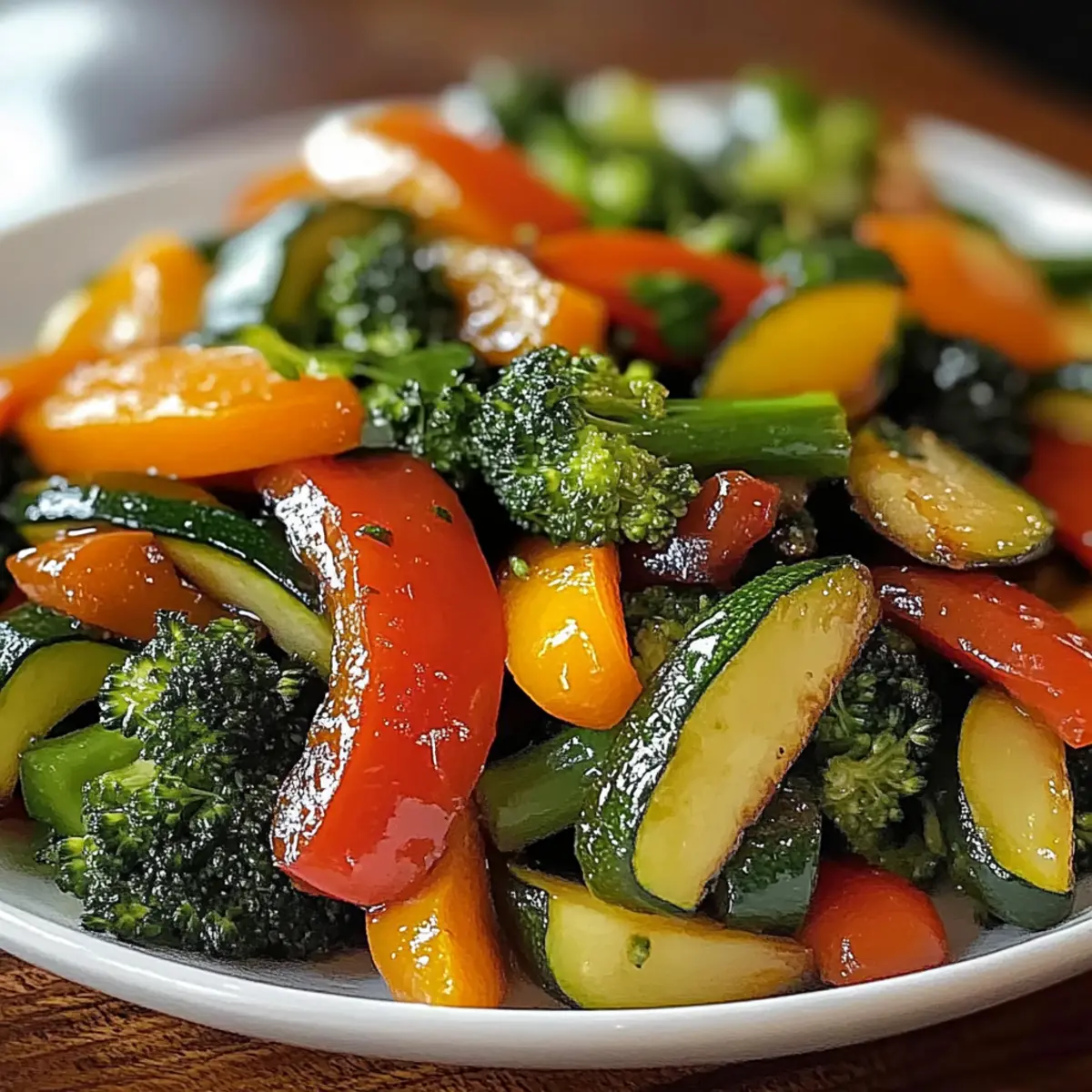
Why Love Sautéed Vegetables?
Quick and Easy: The minimal prep time means you can whip this up in under 30 minutes!
Endless Customization: Use whatever vegetables you have—zucchini, carrots, or even snap peas—for a unique twist every time.
Meal Prep-Friendly: Perfect for making ahead of time; just reheat and enjoy for effortless meals throughout the week!
Packed with Nutrients: Each colorful bite is a powerhouse of vitamins A and C, making it a wholesome addition to any dish.
Crowd-Pleaser: These veggies pair beautifully with grilled chicken or perfectly fluffy quinoa, making them a great accompaniment for friends and family.
With options for tasty enhancements like fresh herbs or a spicy kick, your sautéed vegetables can always be the star of the table!
Sautéed Vegetables Side: Essential Ingredients
• For the Base
- Olive Oil or Avocado Oil – Ideal for sautéing, but feel free to use grapeseed oil for a unique twist.
- Garlic (2 cloves, minced) – Infuses your dish with aromatic flavor; shallots make a mild substitute.
- Onion (1 small, thinly sliced) – Adds sweetness and depth; leeks can be a wonderful alternative.
• For the Veggie Medley
- Bell Pepper (1, sliced) – Brings sweetness and vibrant color; any sweet pepper variety works!
- Zucchini (1, sliced into half-moons) – Keeps things moist; swap with yellow squash for a change.
- Broccoli (1 cup, florets) – Gives a delightful crunch and essential nutrients; cauliflower is a great low-carb replacement.
- Carrot (1 medium, julienned or thinly sliced) – Introduces natural sweetness; parsnip offers a unique flavor alternative.
- Snap Peas (½ cup) – Provides a sweet, crunchy texture; green beans can easily replace them.
- Mushrooms (½ cup, sliced) – Brings umami goodness; try sliced eggplant for a different bite.
• Seasonings and Additions
- Salt and Black Pepper – Adjust to taste for the perfect seasoning.
- Lemon Juice (1 teaspoon, optional) – Brightens the whole dish; vinegar can be a lovely alternative.
- Balsamic Vinegar or Soy Sauce (1 teaspoon, optional) – Adds depth to your sautéed vegetable side; tamari is a great gluten-free option.
- Optional Toppings – Toasted nuts, seeds, or fresh herbs can elevate flavors and textures.
These Sautéed Vegetables are not only quick and customizable but also promise a delicious and nutritious addition to your meals, making dinner a colorful celebration!
Step‑by‑Step Instructions for Sautéed Vegetables Side
Step 1: Prep Vegetables
Begin by washing all your vegetables under cold water. Peel any that require peeling, like carrots, and slice everything into uniform, bite-sized pieces. This ensures even cooking for your Healthy Sautéed Vegetables. Set your prepared veggies aside and get ready for some sizzling action!
Step 2: Heat Pan
Place a large skillet over medium-high heat and pour in 2 tablespoons of olive oil or avocado oil. Allow it to heat for about 1-2 minutes until it shimmers slightly. This temperature is key to achieving that perfect sautéed texture, helping your vegetables retain their vibrant colors and satisfying crunch.
Step 3: Cook Aromatics
Add the minced garlic and thinly sliced onions to the hot oil. Sauté them for 1-2 minutes until the onions turn translucent and fragrant. This step builds a strong flavor base for your sautéed vegetables, filling your kitchen with a delightful aroma as the garlic and onions meld.
Step 4: Add Harder Vegetables
Next, toss in the julienned carrots and broccoli florets. Stir them into the pan and sauté for 3-4 minutes. These vegetables take a bit longer to soften, so keep an eye on them—they should be vibrant and slightly tender yet still retain a bit of crunch.
Step 5: Incorporate Softer Vegetables
Now, add the sliced bell pepper, zucchini half-moons, mushrooms, and snap peas to the skillet. Continue to sauté for another 4-5 minutes until these vegetables are crisp-tender. The mix of colors and textures will make your Healthy Sautéed Vegetables enticing and pleasing to the eye!
Step 6: Season
Sprinkle your sautéed vegetables with salt and freshly cracked black pepper to taste. If desired, drizzle in some lemon juice or balsamic vinegar for an extra layer of flavor. Toss everything well, ensuring each vegetable is seasoned evenly for the best taste experience.
Step 7: Finish & Serve
Once everything is well combined and the vegetables are cooked to your liking, remove the skillet from the heat. If desired, garnish with toasted nuts, fresh herbs, or a sprinkle of Parmesan cheese. Serve your sautéed vegetables immediately for the best texture and flavor, and watch them elevate your meal!
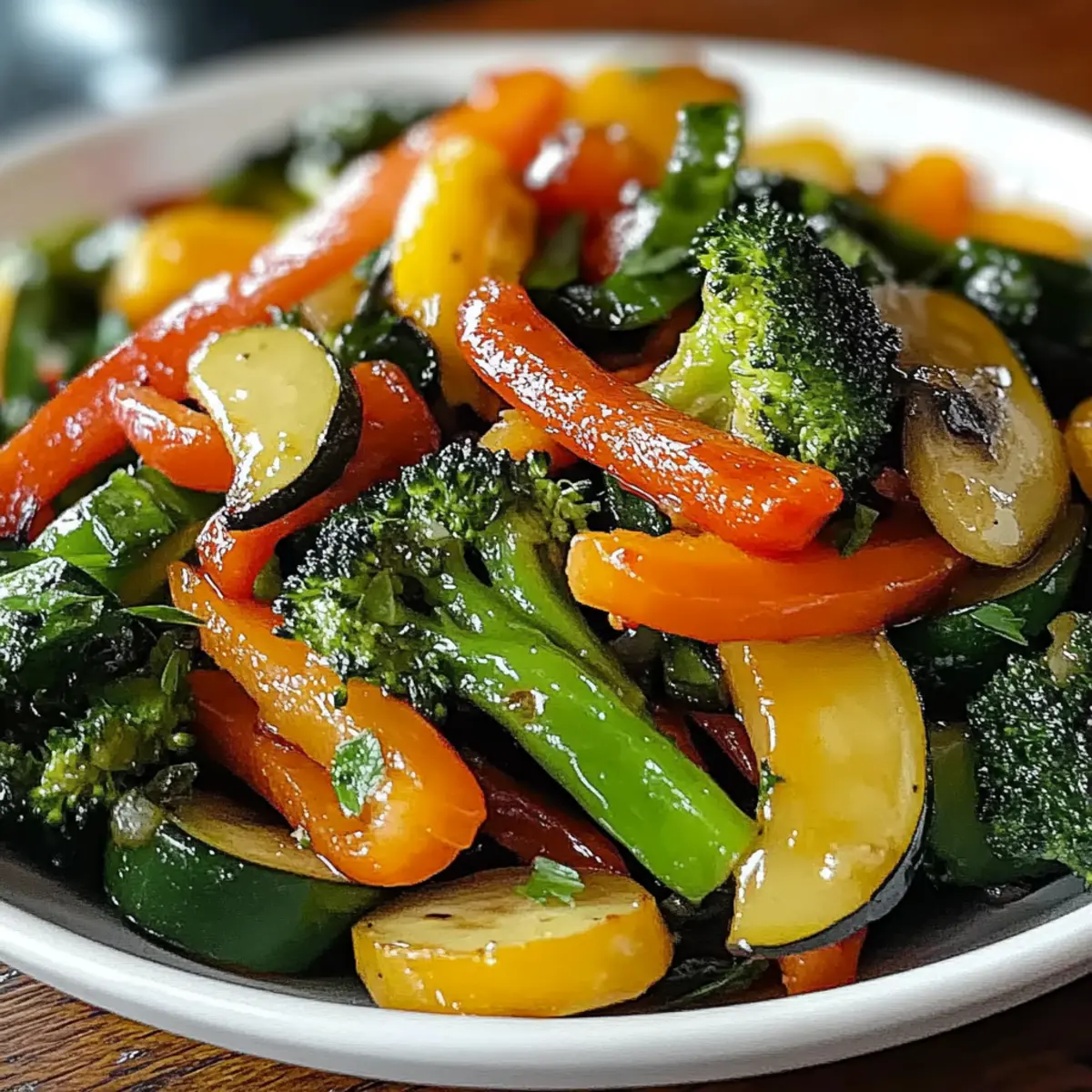
What to Serve with Quick and Colorful Healthy Sautéed Vegetables
Creating a delightful meal is easy when you pair these vibrant sautéed vegetables with complementary dishes that enhance their flavors.
- Fluffy Quinoa: This nutty grain adds a wholesome, chewy contrast and absorbs any juices from the sautéed veggies beautifully.
- Grilled Chicken: Juicy, marinated chicken provides a tender, protein-packed balance that elevates the entire meal experience.
- Creamy Mashed Potatoes: The rich, buttery texture of mashed potatoes perfectly contrasts the crispness of your sautéed vegetables, creating a comforting dish.
- Crusty Whole Grain Bread: A slice of hearty bread offers a satisfying crunch, ideal for scooping up those colorful veggies, making every bite a joy!
- Roasted Salmon: This tender fish pairs wonderfully with sautéed vegetables, bringing a touch of elegance and a burst of flavor to your plate.
- Mixed Green Salad: A fresh, light salad with a zesty vinaigrette complements the cooking techniques while offering a refreshing crunch.
- Honey-Glazed Carrots: For a sweet twist, these sticky, tender carrots harmonize beautifully with the savory sautéed flavors.
- Sparkling Water with Lime: Clean and refreshing, this drink offers a palate-cleansing effect, allowing the flavors of the sautéed vegetables to shine through.
- Chocolate Mousse: A light and airy dessert like this one balances the meal nicely, offering a touch of indulgence to end your flavorful feast.
Sautéed Vegetables Side: Customization Options
Feel free to get creative with your Sautéed Vegetables and make them uniquely yours with these delightful variations!
-
Dairy-Free: Skip the Parmesan and sprinkle in some nutritional yeast for a cheesy flavor without dairy.
-
Fresh Herbs: Stir in fresh herbs like thyme, basil, or rosemary right before serving, adding a lovely fragrance and flavor boost.
-
Protein Boost: Transform your dish into a hearty meal by mixing in cooked chicken, shrimp, tofu, or beans for added protein.
-
Spicy Kick: Craving some heat? Toss in chili flakes or sriracha while cooking to give your sautéed veggies a zesty shove.
-
Marinated Veggies: Marinating your vegetables beforehand with balsamic vinegar or your favorite marinade infuses every bite with extra flavor.
-
Sweet Twist: Add a touch of honey or maple syrup while cooking for a subtle sweetness that balances the savory aspects.
-
Texture Variety: Introducing roasted nuts or crunchy seeds as a topping adds an enjoyable crunch and enhances the dish’s overall texture.
-
Mediterranean Flair: Mix in olives or sun-dried tomatoes during the final stages of cooking for a Mediterranean lift and richness.
With these suggestions, you can tailor your Sautéed Vegetables to suit any palate, ensuring everyone leaves the dinner table satisfied! Need some pairing ideas? Check out our Chicken Roasted Vegetables for a complete meal experience.
Expert Tips for Sautéed Vegetables
-
Prep Uniformly: Cut all vegetables into similar sizes to ensure even cooking throughout your sautéed vegetables side.
-
Oil Temperature: Make sure your oil is hot enough before adding veggies; this is crucial for achieving that perfect sautéed texture.
-
Aromatics First: Don’t skip cooking garlic and onions first; they lay a flavorful foundation that enhances your sautéed vegetables.
-
Batch Cooking: Avoid overcrowding the pan; sauté in smaller batches to prevent steaming and achieve that delightful crunch.
-
Season Gradually: Taste and adjust seasonings while cooking to ensure your sautéed vegetables are perfectly flavorful.
How to Store and Freeze Sautéed Vegetables
Fridge: Store leftovers in an airtight container for up to 3-4 days. Make sure they’re cool before sealing to minimize moisture.
Freezer: For longer storage, freeze sautéed vegetables in labeled freezer bags for up to 2 months. Ensure they are flat in the bags to save space.
Reheating: When ready to enjoy, reheat in a skillet over low heat, adding a splash of water to retain moisture, or microwave for 1-2 minutes until warmed through.
Tip: For best flavor and texture, try to consume your sautéed vegetables within the recommended time frames for the ultimate freshness!
Make Ahead Options
These Healthy Sautéed Vegetables are perfect for meal prep enthusiasts looking to save time during busy weeknights! You can chop and prepare all your vegetables up to 24 hours in advance; simply wash, peel, and slice everything into uniform pieces, then store them in an airtight container in the fridge to maintain their freshness. If you want to take your prep a step further, you can also sauté your veggies partially for 3-4 days in advance; just cook them until they’re slightly tender, then refrigerate. When you’re ready to serve, reheat them quickly in a skillet with a splash of oil until warmed through, ensuring that they’re just as delicious as when they were freshly made!
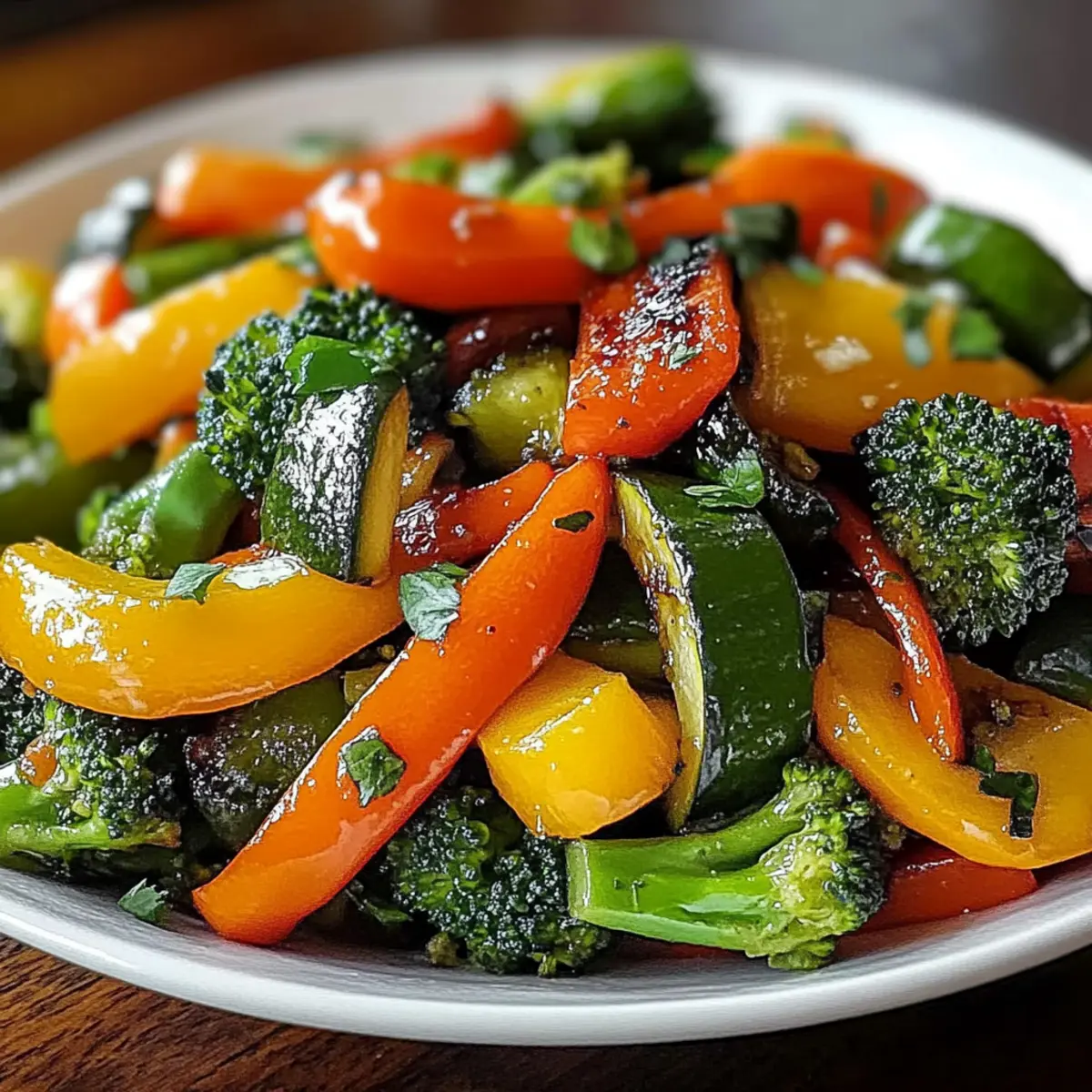
Sautéed Vegetables Side Recipe FAQs
How do I choose the best vegetables for sautéing?
Absolutely! Choose vegetables that are fresh and firm. Look for vibrant colors and avoid any with dark spots or soft spots. Seasonal vegetables like bell peppers, zucchini, and snap peas not only taste great but are at their peak freshness when in season.
What is the best way to store leftover sautéed vegetables?
To keep your sautéed vegetables fresh, store them in an airtight container once they have cooled completely. They can last in the refrigerator for up to 3-4 days. If you’re making a batch for meal prep, it can be a wonderful convenience for easy and delicious meals throughout the week!
Can I freeze sautéed vegetables?
Yes, indeed! To freeze your sautéed vegetables, allow them to cool completely, then place them in labeled freezer bags. Lay the bags flat to save space and freeze for up to 2 months. When you’re ready to enjoy them, reheat directly from the freezer in a skillet or microwave—just be sure to add a splash of water to maintain moisture!
What should I do if my vegetables are mushy after sautéing?
No worries! If you find your sautéed vegetables have become too soft, next time, make sure to sauté in smaller batches to prevent overcrowding and steaming. Additionally, keep your oil hot and consider adding the tougher vegetables first, giving them a head start. This way, each veggie retains its perfect crunch!
Are sautéed vegetables safe for my pet (dog/cat)?
That’s a great question! While many vegetables like carrots and green beans can be safe for pets in small amounts, avoid adding any seasonings, especially salt or onions, as these can be harmful. Always check with your vet before sharing human food with pets to ensure it’s safe for them.
Are these sautéed vegetables suitable for specific diets?
Very! This sautéed vegetable recipe is versatile and can easily fit various dietary preferences. For a vegan option, omit any cheese and consider adding nutritional yeast. If gluten-free, use tamari instead of soy sauce. Always adjust according to your own dietary needs and preferences for the best result!
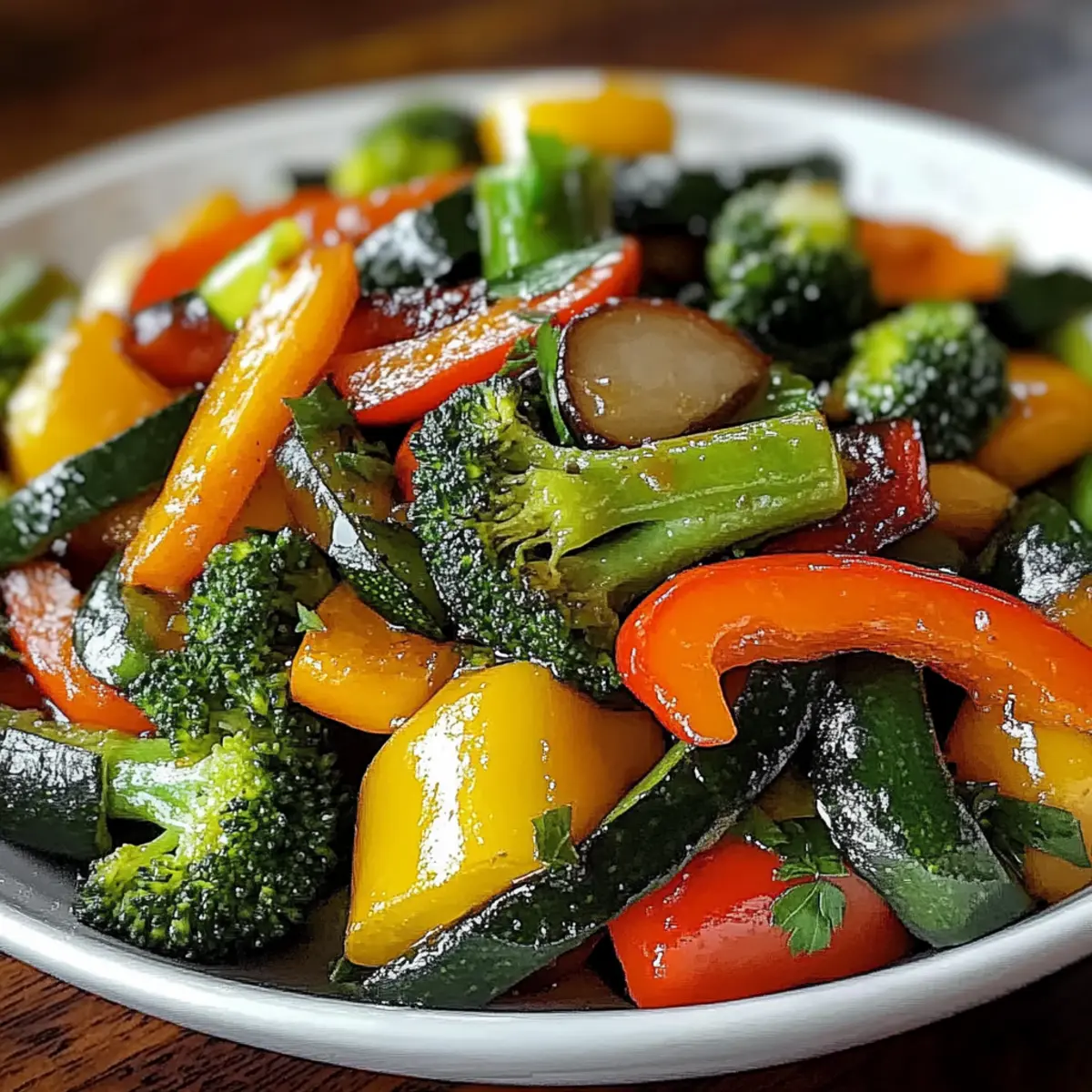
Sautéed Vegetables Side: Colorful & Customizable Goodness
Ingredients
Equipment
Method
- Begin by washing all your vegetables under cold water. Peel any that require peeling, like carrots, and slice everything into uniform, bite-sized pieces.
- Place a large skillet over medium-high heat and pour in 2 tablespoons of olive oil or avocado oil. Allow it to heat for about 1-2 minutes until it shimmers slightly.
- Add the minced garlic and thinly sliced onions to the hot oil. Sauté them for 1-2 minutes until the onions turn translucent and fragrant.
- Toss in the julienned carrots and broccoli florets. Stir them into the pan and sauté for 3-4 minutes.
- Add the sliced bell pepper, zucchini half-moons, mushrooms, and snap peas to the skillet. Continue to sauté for another 4-5 minutes until these vegetables are crisp-tender.
- Sprinkle your sautéed vegetables with salt and freshly cracked black pepper to taste. If desired, drizzle in some lemon juice or balsamic vinegar.
- Once everything is well combined and the vegetables are cooked to your liking, remove the skillet from the heat.