
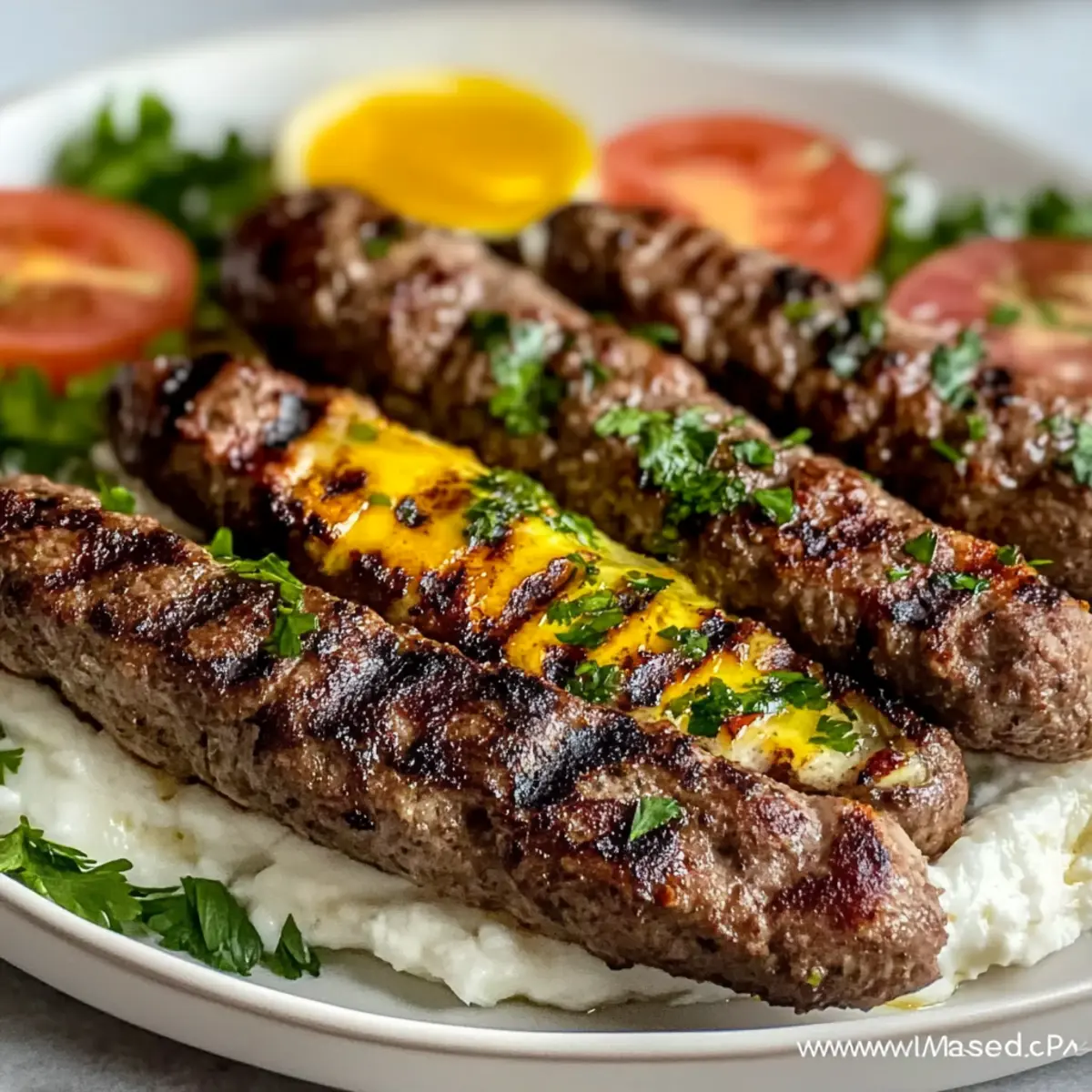
As I stood by the grill, the smoky aroma of sizzling meat wafted through the air, instantly brightening my mood. There’s something magical about preparing Authentic Persian Koobideh Kabobs that transports me back to vibrant Iranian street markets bustling with life. Made with tender ground beef and tangy sumac, these charred kabobs are not just a meal; they’re a delightful experience waiting to be shared. With their juicy, succulent texture and easy prep, they’re perfect for gatherings or cozy dinners at home. Plus, they offer a healthy upgrade to your typical fast food cravings. Why settle for takeout when you can create your own culinary adventure right in your kitchen? Ready to embark on this delicious journey? Let’s dive into making these irresistible kabobs together!
Why Try These Koobideh Kabobs?
Simplicity: The preparation of these kabobs is surprisingly easy, even for beginners, making it an accessible delight for all home cooks.
Flavor Explosion: Dive into a world of smoky, tangy goodness with each succulent bite, thanks to the rich blend of spices and quality meat.
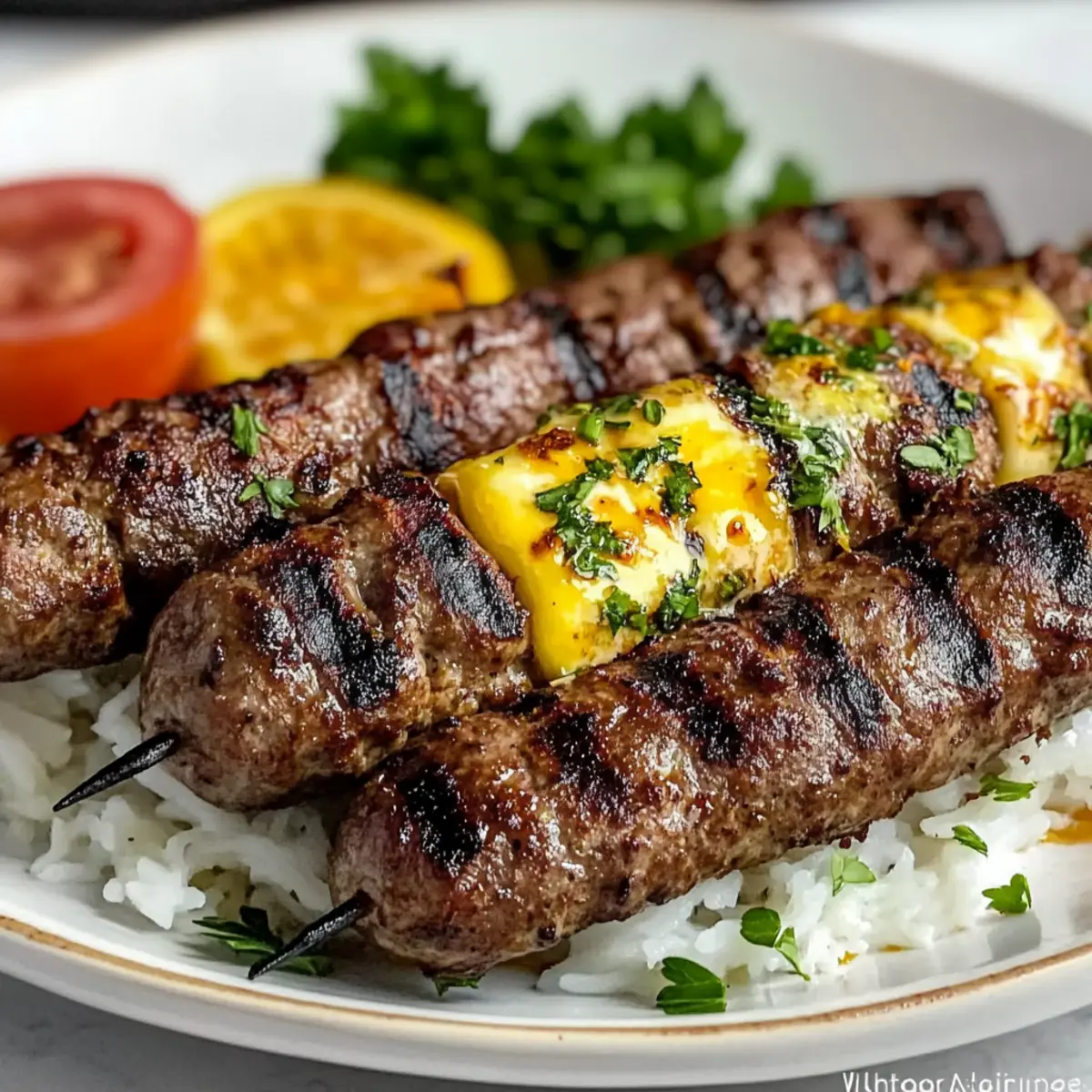
Versatile Serving Options: Enjoy them with saffron basmati rice, grilled tomatoes, or even a refreshing Persian Shirazi Salad for a full culinary experience.
Family-Friendly: Perfect for gatherings, these kabobs are sure to impress guests and loved ones alike, uniting everyone in their appreciation of great food!
Healthier Choice: Wave goodbye to fast food; these homemade delights are a nutritious and satisfying alternative, ensuring you feel good about your meal choices.
Whether you’re looking to impress at your next BBQ or simply want a comforting meal at home, these Persian Koobideh Kabobs offer an unforgettable experience!
Persian Koobideh Kabob Ingredients
• Here’s everything you need for these mouthwatering kabobs!
For the Kabob Mixture
- Ground Beef (1 kg, 80/20 lean-to-fat ratio) – This creates a rich flavor and juicy texture; for a leaner option, consider 90/10 meat.
- Yellow Onions (2 large, grated and squeezed dry) – Adding moisture and flavor; ensure they’re well dried to keep kabobs from crumbling.
- Ground Sumac (2 tbsp) – Offers a tangy, citrus-like punch that beautifully complements the meat; no substitutes work as well.
- Ground Turmeric (1 tsp) – This brings an earthy depth; while optional, it really enhances the overall flavor profile.
- Kosher Salt (2 tsp) – Key for seasoning; consider reducing to 1 tsp if you’re watching your sodium intake.
- Cracked Black Pepper (1 tsp) – Adds a subtle spice that balances the beef’s richness.
For the Basting
- Saffron Threads (1/2 tsp) + Hot Water (2 tbsp) – Used for basting to add a delightful floral aroma; make sure to store saffron properly for the best flavor.
- Unsalted Butter (50g, melted) – Enhances flavor and moisture; avoid salted butter to control the sodium levels in your dish.
With these Persian Koobideh Kabobs ingredients in hand, you’re all set to embark on your flavorful journey of grilling perfection!
Step‑by‑Step Instructions for Persian Koobideh Kabobs
Step 1: Prepare the Onions
Grate two large yellow onions using a box grater or food processor. Once grated, place the onion pulp in a fine mesh strainer and press out as much liquid as possible—dry pulp is key for the perfect texture. You should have about 1 cup of dried onion to mix into your kabob blend, ensuring they hold their shape while cooking.
Step 2: Mix the Meat
In a chilled mixing bowl, combine 1 kg of cold ground beef with the dried onion pulp, 2 tablespoons of ground sumac, 1 teaspoon of ground turmeric, 2 teaspoons of kosher salt, and 1 teaspoon of cracked black pepper. Use your hands to mix everything together thoroughly until the mixture becomes pale and slightly tacky—this process usually takes about 10 minutes and is essential for the texture of the Persian Koobideh Kabobs.
Step 3: Chill the Mixture
Cover the meat mixture tightly with plastic wrap and refrigerate for at least 1 hour. Chilling the kabob mix firms up the meat, making it easier to shape and helping it stay intact on the grill or under the broiler. While the mixture cools, it also allows the flavors to meld beautifully, enhancing the overall taste of your kabobs.
Step 4: Bloom the Saffron
In a small bowl, combine ½ teaspoon of saffron threads with 2 tablespoons of hot water, letting it steep for about 10 minutes until the water turns a vibrant golden hue. This saffron infusion will be mixed with 50 grams of melted unsalted butter for basting later, adding a rich, aromatic lift to your juicy Persian Koobideh Kabobs.
Step 5: Form the Kabobs
With wet hands, take a handful of the chilled meat mixture and mold it onto wide, flat skewers, pressing firmly to ensure they adhere well. Aim for about 1-inch thickness and create shallow indentations along the length of each kabob for even cooking. This step is crucial for the kabobs, as using flat skewers (varesh) prevents the meat from spinning during grilling.
Step 6: Preheat the Grill
Preheat your charcoal grill on high heat for a few minutes until the coals are glowing. Ensure the grill grates are clean and lightly oiled to prevent sticking. If you’re using a broiler, set your oven rack close to the heating element and preheat to the highest setting to achieve that perfect char on the Persian Koobideh Kabobs.
Step 7: Grill the Kabobs
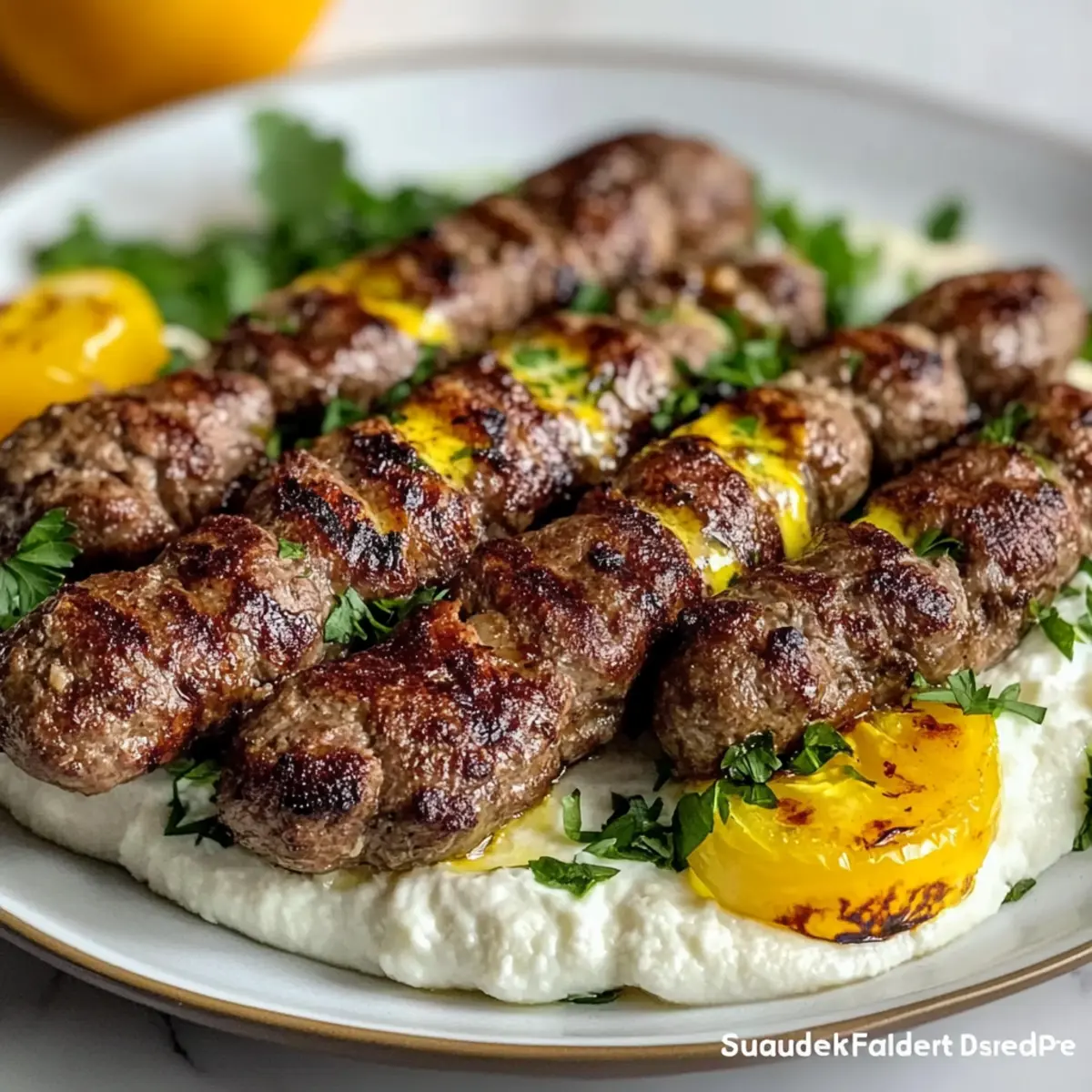
Place the skewers on the grill and cook for 8-10 minutes. Baste the kabobs with the saffron-infused butter every 2 minutes while grilling. Flip the kabobs every minute to develop a beautifully charred exterior. Look for a crispy, mahogany crust while ensuring the interior remains juicy and succulent—this balance is the hallmark of perfectly grilled kabobs.
Step 8: Rest and Serve
Once cooked through, remove the kabobs from the grill and let them rest on a plate for 5 minutes. This resting period allows the juices to redistribute, enhancing the flavor and texture. Serve your warm Persian Koobideh Kabobs with fluffy saffron basmati rice, grilled tomatoes, and a fresh Persian Shirazi Salad for a delightful dining experience that transports you straight to the streets of Tehran.
Expert Tips for Perfect Persian Koobideh Kabobs
-
Keep It Cold: Ensure the ground beef and onion mixture are cold before shaping. This helps the kabobs maintain their structure and prevents them from falling apart on the grill.
-
Knead Well: Knead the meat mixture vigorously for about 10 minutes. This develops myosin proteins, giving your Persian Koobideh Kabobs that ideal velvety texture.
-
Choose the Right Skewers: Use wide, flat skewers (varesh) for better grip. Round skewers can cause the meat to spin, leading to uneven cooking.
-
Mind the Heat: If grilling, make sure the grill is hot enough to develop a good char. If broiling, position the skewers close to the heating element for a perfect crust.
-
Baste Frequently: Don’t forget to baste your kabobs with saffron-infused butter every couple of minutes while grilling to boost moisture and flavor.
-
Rest Before Serving: Allow your kabobs to rest for 5 minutes after grilling. This lets the juices redistribute, ensuring each bite is juicy and flavorful.
What to Serve with Authentic Persian Koobideh Kabobs
Create a delightful and balanced meal that will transport your taste buds straight to the vibrant streets of Iran.
-
Saffron Basmati Rice: This fluffy rice, infused with aromatic saffron, complements the smoky kabobs perfectly, adding a touch of elegance to your plate. Serve it alongside the kabobs for a delicious union of flavors and textures.
-
Grilled Tomatoes: Juicy, charred tomatoes enhance the kabobs with their sweetness and acidity. They provide a vibrant pop of color and flavor, making for a visually appealing and satisfying dish.
-
Persian Shirazi Salad: A refreshing mix of cucumbers, tomatoes, red onion, and herbs, this salad adds a crisp and zesty contrast to the tender kabobs. Drizzle with olive oil and lemon juice for an extra burst of brightness.
-
Pita Bread: Warm, fluffy pita bread is perfect for wrapping around the kabobs. This is a fun way to create your own bite-sized morsels, giving a delightful texture to each mouthful.
-
Mint Yogurt Sauce: A cooling and creamy yogurt sauce with fresh mint elevates the kabobs’ flavors. Its tangy profile balances the rich meat and spices beautifully.
-
Sweet Persian Baklava: End your meal on a sweet note with this delightful pastry whose crunchy layers and sticky honey will satisfy any sweet tooth. It’s the perfect end to a lovely Persian-inspired dinner.
Storage Tips for Persian Koobideh Kabobs
Fridge: Keep leftover kabobs in an airtight container in the fridge for up to 3 days. This preserves their flavor and texture for future meals.
Freezer: Raw Persian Koobideh Kabobs can be frozen for up to 2 months. Wrap them tightly in plastic wrap or use a resealable bag to prevent freezer burn.
Reheating: To reheat cooked kabobs, place them in a preheated oven at 350°F (175°C) for about 10-15 minutes or until warmed through. Avoid microwaving for best texture.
Serving Suggestions: For an easy meal, serve reheated kabobs with fresh sides like Persian rice or salad to elevate their taste and nutrition.
Make Ahead Options
These Persian Koobideh Kabobs are a fantastic option for meal prep, saving you precious time on busy weeknights! You can prepare the meat mixture up to 24 hours in advance; simply mix the ground beef, grated onions, and spices, then cover and refrigerate. To maintain their luscious texture, chilling is crucial—this helps the flavors meld and keeps the kabobs from falling apart during grilling. If you’re feeling extra ambitious, you can also form the skewers and freeze them raw for up to 2 months. When you’re ready to cook, just thaw them overnight in the refrigerator and grill as directed. You’ll enjoy the same restaurant-quality flavor with less effort!
Variations & Substitutions for Persian Koobideh Kabobs
Feel free to make these juicy kabobs your own by exploring exciting alternatives and substitutions.
-
Lamb Swap: Substitute ground lamb for a richer flavor profile, offering a delightful twist on the classic recipe. The sweet, savory notes of lamb create a unique take that is just as satisfying.
-
Vegetarian Delight: For a vegetarian option, use crumbled tempeh or a mix of finely chopped mushrooms and tofu. Add spices and herbs to enhance the flavors, making each bite just as delicious.
-
Spice It Up: Incorporate spices like cardamom or cumin for an altered taste experience. These spices add layers of warmth and complexity that elevate your kabobs.
-
Onion Variation: Adjust the onion-to-meat ratio for different moisture levels. More onions create a juicier kabob, while less can yield a firmer texture. Feel free to experiment until you find your perfect balance.
-
Grain-Free: Use quinoa or cauliflower rice as a base instead of traditional rice if you’re looking for a grain-free alternative. This adds a fun twist to serving your kabobs, while keeping the dish light and nutritious.
-
Fire it Up: For an extra kick, add minced chili peppers to the meat mixture. This will introduce a spicy flare that pairs beautifully with the kabobs’ smoky char.
-
Gluten-Free Options: Ensure that any sauces or marinades used are gluten-free to cater to those avoiding gluten without sacrificing flavor.
-
Custom Dipping Sauces: Pair your kabobs with homemade tahini dressing or a refreshing yogurt sauce for extra flavor. These complements will elevate your dining experience, turning your meal into an extraordinary feast.
These fun variations are here to inspire creativity in your cooking. Whether exploring diverse flavors or catering to specific dietary needs, these options allow you to enjoy the deliciousness of Persian Koobideh Kabobs in many ways!
Authentic Persian Koobideh Kabobs Recipe FAQs
What type of ground beef should I use?
For the best flavor and texture, I recommend using ground beef with an 80/20 lean-to-fat ratio. This blend ensures a rich, succulent kabob. If you prefer a leaner option, you can use 90/10 beef, but keep in mind it may be less juicy.
How do I store leftover kabobs?
To keep your leftover Persian Koobideh Kabobs fresh, store them in an airtight container in the refrigerator for up to 3 days. This helps maintain their delicious flavors and moist texture for future meals.
Can I freeze the kabob mixture?
Absolutely! You can freeze the raw kabob mixture for up to 2 months. To do this, wrap it tightly in plastic wrap or place it in a resealable freezer bag, ensuring you remove as much air as possible. When ready to use, thaw it overnight in the refrigerator before shaping and grilling.
What should I do if my kabobs fall apart on the grill?
If your kabobs are crumbling, it may be because the meat mixture is too warm or has too much moisture. To fix this, ensure the mixture is cold before shaping. Knead it well for about 10 minutes to develop the proteins, and avoid adding excess onions. If they fall apart during cooking, try using flatter skewers, as they help hold the meat together better.
Are there any dietary concerns I should be aware of?
These Authentic Persian Koobideh Kabobs contain beef and onions, which might not be suitable for everyone. For those with onion allergies, I suggest experimenting with grated carrots or zucchini for moisture. Additionally, always check beef sourcing for dietary restrictions related to beef consumption, especially for specific diets.
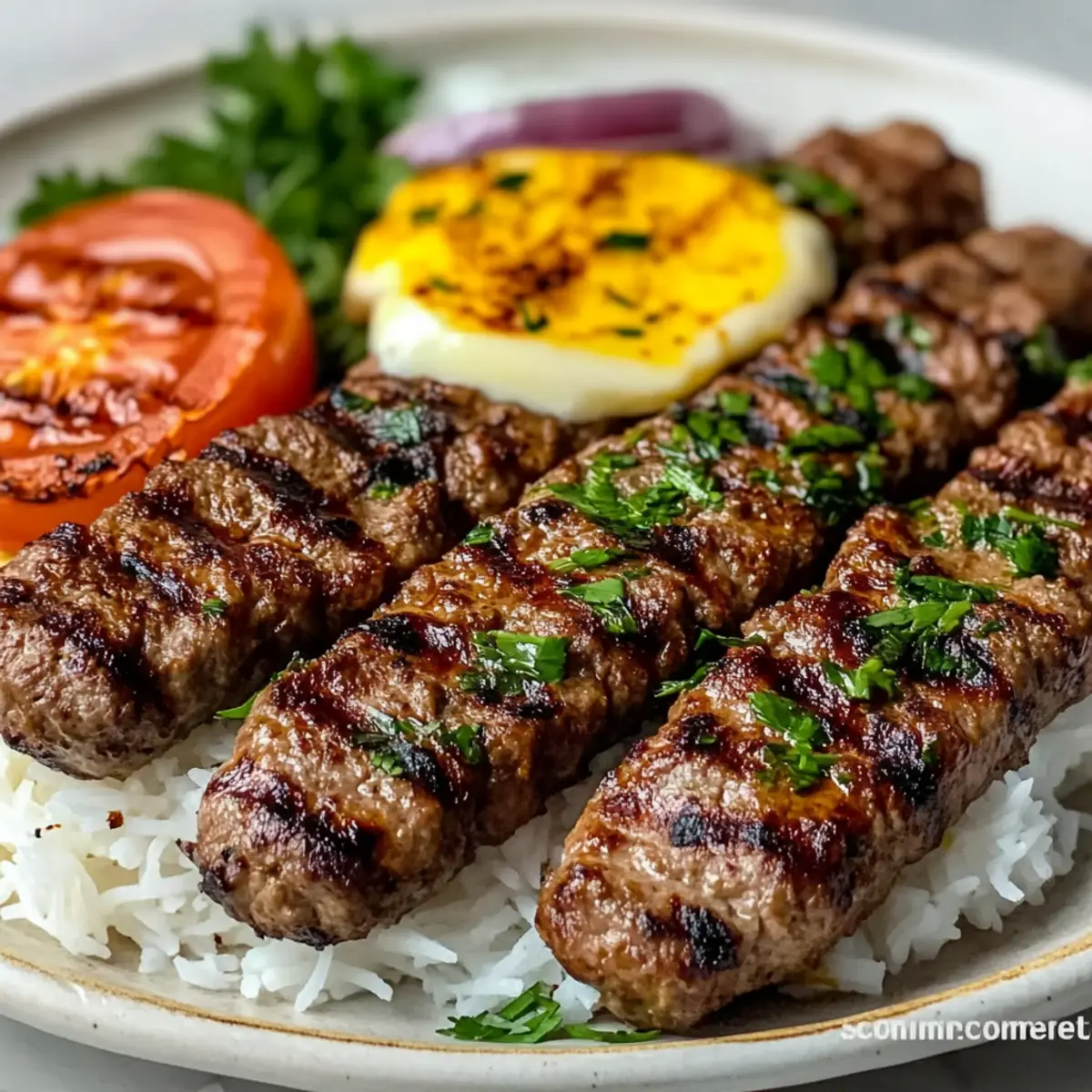
Succulent Persian Koobideh Kabobs: A Grilled Delight at Home
Ingredients
Equipment
Method
- Grate two large yellow onions and press out as much liquid as possible using a fine mesh strainer.
- In a chilled mixing bowl, combine ground beef, dried onion pulp, ground sumac, ground turmeric, kosher salt, and cracked black pepper. Mix until pale and slightly tacky.
- Cover the meat mixture with plastic wrap and refrigerate for at least 1 hour.
- Combine saffron threads with hot water in a small bowl and let steep for 10 minutes.
- Mold the chilled meat mixture onto wide, flat skewers, aiming for about 1-inch thickness.
- Preheat your grill on high heat for a few minutes until the coals are glowing.
- Place the skewers on the grill and cook for 8-10 minutes, basting every 2 minutes.
- Once cooked, remove the kabobs from the grill and let them rest for 5 minutes before serving.