

As I knead the dough for my Paska bread, the aroma of warm yeast and melted butter fills my kitchen, taking me back to joyful Easter mornings. This beloved Ukrainian Easter bread, known for its rich, egg-enriched dough and stunning braided design, is not just a recipe; it’s a celebration. Paska bread isn’t only airy and slightly sweet but incredibly versatile—perfect for brunch or as a comforting snack any time of the year. Plus, this delightful treat is vegetarian and can easily be made in under three hours, leaving you with plenty of time to share with loved ones. Are you ready to embark on this culinary adventure and create a loaf that radiates warmth and tradition? Let’s get started!
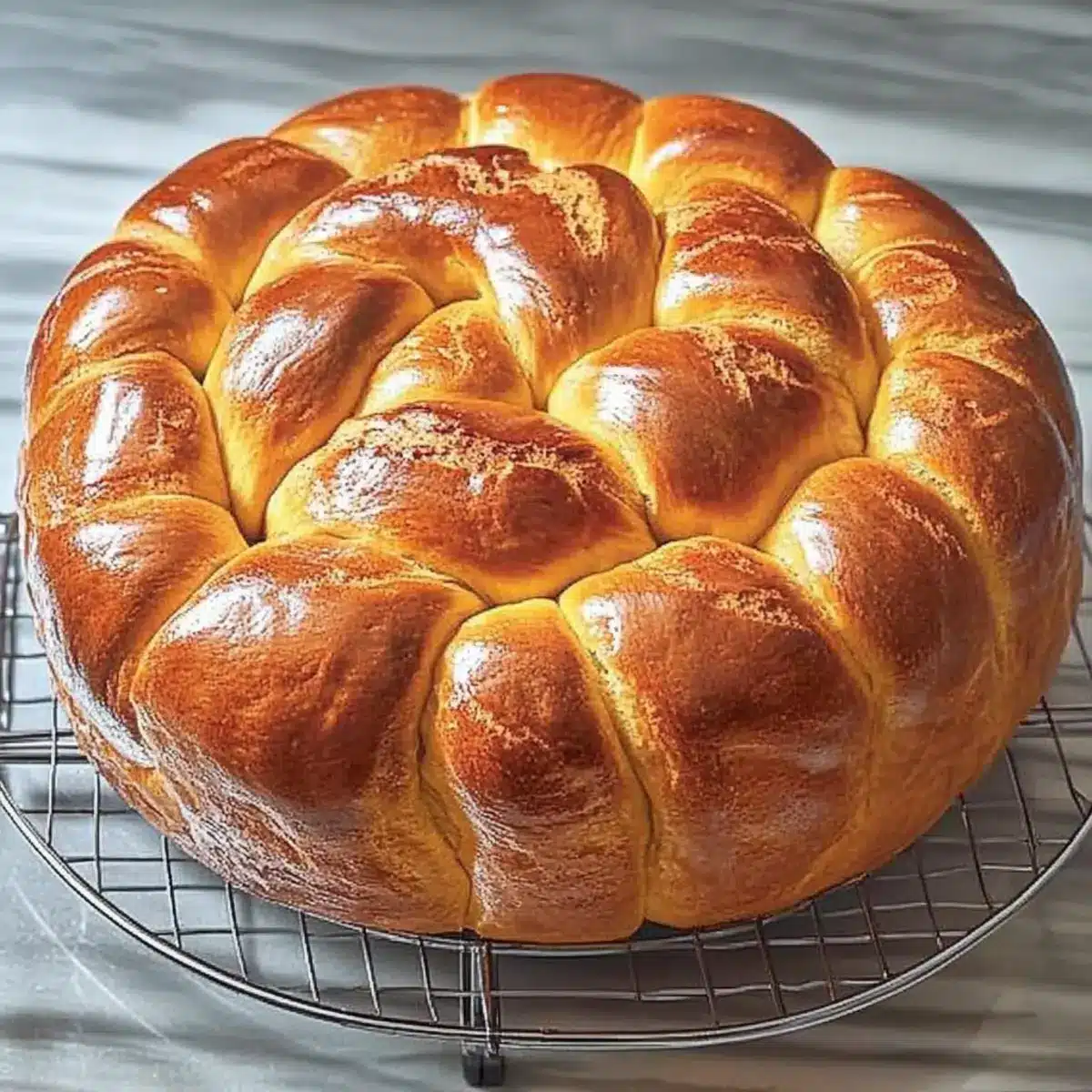
Can you taste tradition with every slice?
Every bite of Paska bread tells a story of love and celebration. Rich texture: Its soft, pillowy interior makes it perfect for slathering with butter or honey. Versatile delight: Enjoy it for brunch, dinner, or as a comforting snack any time of the year. Simple process: You’ll find that with just a few ingredients, you can create a stunning centerpiece. Plus, why not try adding dried fruits, just like in my Pistachio Shortbread Cookies for an extra twist? Time saver: This recipe comes together in under three hours, allowing you to focus on making memories with friends and family.
Paska Bread Ingredients
• Dive into the delightful world of Paska bread with these essential components.
For the Dough
- Active Dry Yeast – A crucial leavening agent that helps the bread rise beautifully.
- Sugar – Adds sweetness; substituting with honey gives a pleasant nuance.
- Warm Water – Activates yeast effectively; aim for temperatures between 110°F-115°F.
- Nonfat Dry Milk Powder – Boosts richness and flavor; regular milk can be used with liquid adjustments.
- All-Purpose Flour – Provides structure; accurate measurements prevent dense bread.
- Eggs (Large, Room Temperature) – Enriches the dough and binds ingredients, enhancing structure.
- Butter (Melted) – Contributes moisture and flavor; margarine is an excellent alternative if preferred.
- Salt – Key for flavor balance, don’t skip this step!
- Egg Glaze (1 Large Egg & 2 tbsp Water) – Gives a shiny, golden exterior to your stunning bread.
With these key ingredients, you’re ready to create a loaf of Paska bread that’s not just food but a piece of tradition on your table!
Step‑by‑Step Instructions for Paska Bread
Step 1: Prepare the Dough
In a small bowl, dissolve 2 teaspoons of active dry yeast and 1 teaspoon of sugar in 1 cup of warm water (110°F-115°F). Let it stand for about 5-10 minutes until frothy. In a large mixing bowl, combine this yeast mixture with 3 cups of nonfat dry milk powder and 5 cups of all-purpose flour, mixing until smooth. Let the dough rest for 20 minutes until it appears bubbly.
Step 2: Mix Ingredients
After the initial rest, add 4 large eggs, ½ cup of melted butter, ½ cup of sugar, and 1 teaspoon of salt to the bowl, stirring well until combined. Gradually incorporate enough flour while continuing to mix until the dough forms a soft, cohesive texture. It should be slightly sticky but manageable, ensuring the delicious Paska Bread is rich and flavorful.
Step 3: Knead the Dough
Turn the dough onto a well-floured surface and knead for 8-10 minutes until it becomes smooth and elastic. You’ll know it’s ready when the dough springs back when gently pressed. This step is crucial to develop gluten, giving your Paska Bread that desired airy structure. Once kneaded, shape the dough into a ball.
Step 4: First Rise
Place the kneaded dough into a greased bowl, covering it with a damp cloth or plastic wrap. Allow it to rise in a warm environment for about 1 hour, or until it doubles in size. This step is essential for the final texture of your Paska Bread, making it light and fluffy after baking.
Step 5: Shape the Dough
After the first rise, gently punch down the dough to release air. Divide it in half; set aside one half for later. Press the other half into the bottom of a greased springform pan to create a solid base for your bread. This ensures a beautiful shape for your delightful Paska Bread.
Step 6: Braid Decoration
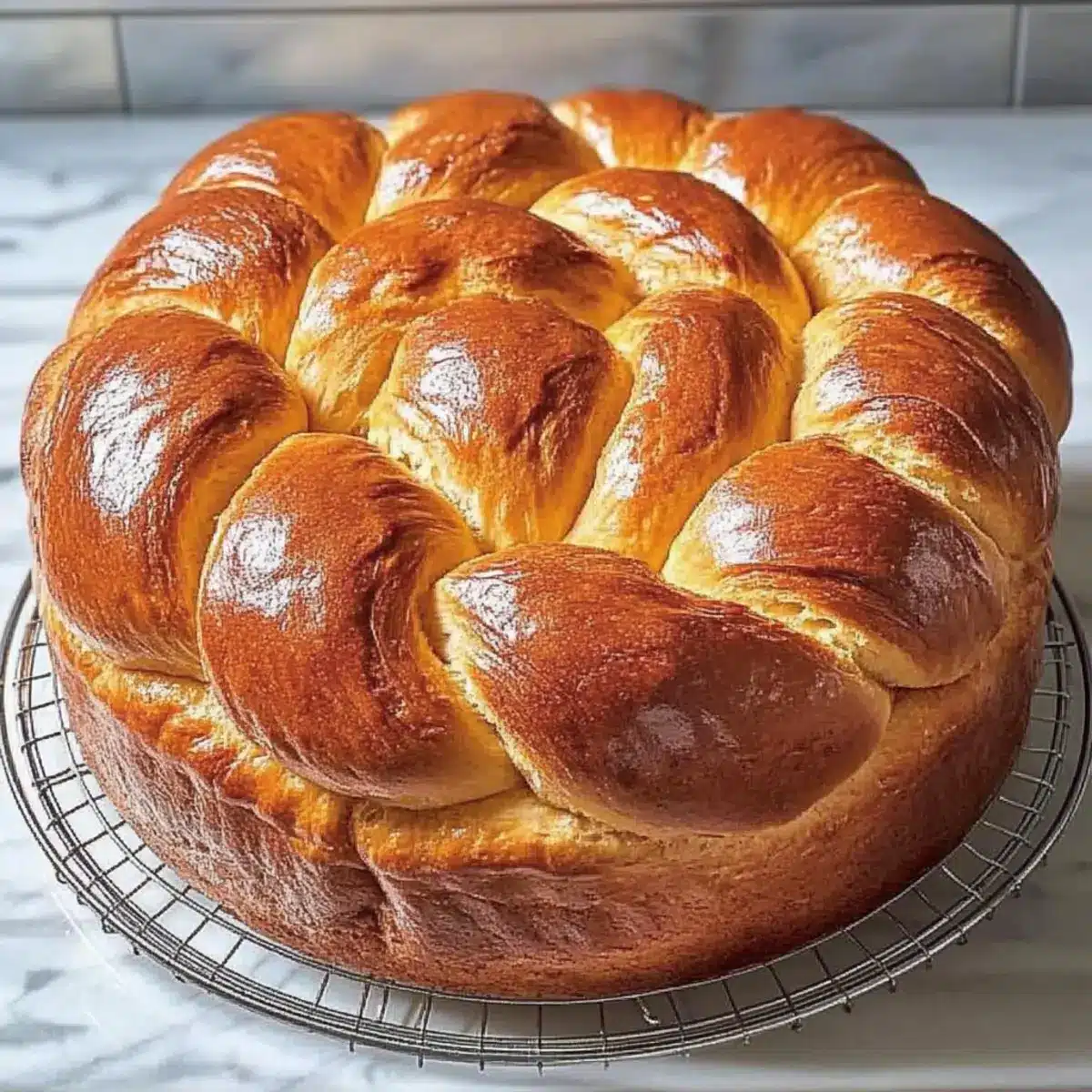
Take the reserved dough and divide it into six equal pieces. Roll each piece into thin ropes, then braid them into two beautiful braids. Secure the ends, forming a circle, and gently place them over the pressed dough in the springform pan. Add little decorative touches like rosettes or crosses in the center to elevate your traditional Paska Bread’s aesthetic.
Step 7: Second Rise
Cover the braided dough with a cloth and let it rise again in a warm spot for another hour, or until doubled in size. This second rise is crucial for developing the soft texture and allowing the flavors to deepen. As a helpful tip, preheat your oven to 350°F halfway through this rising period, preparing for baking.
Step 8: Glaze and Bake
Prepare an egg wash by whisking together 1 large egg and 2 tablespoons of water. Brush this mixture over the risen dough to achieve that gorgeous shiny golden exterior. Place the springform pan in the preheated oven and bake for 50-60 minutes until the top is golden brown and sounds hollow when tapped. Your Paska Bread is moments away from delighting your loved ones!
Step 9: Cool and Store
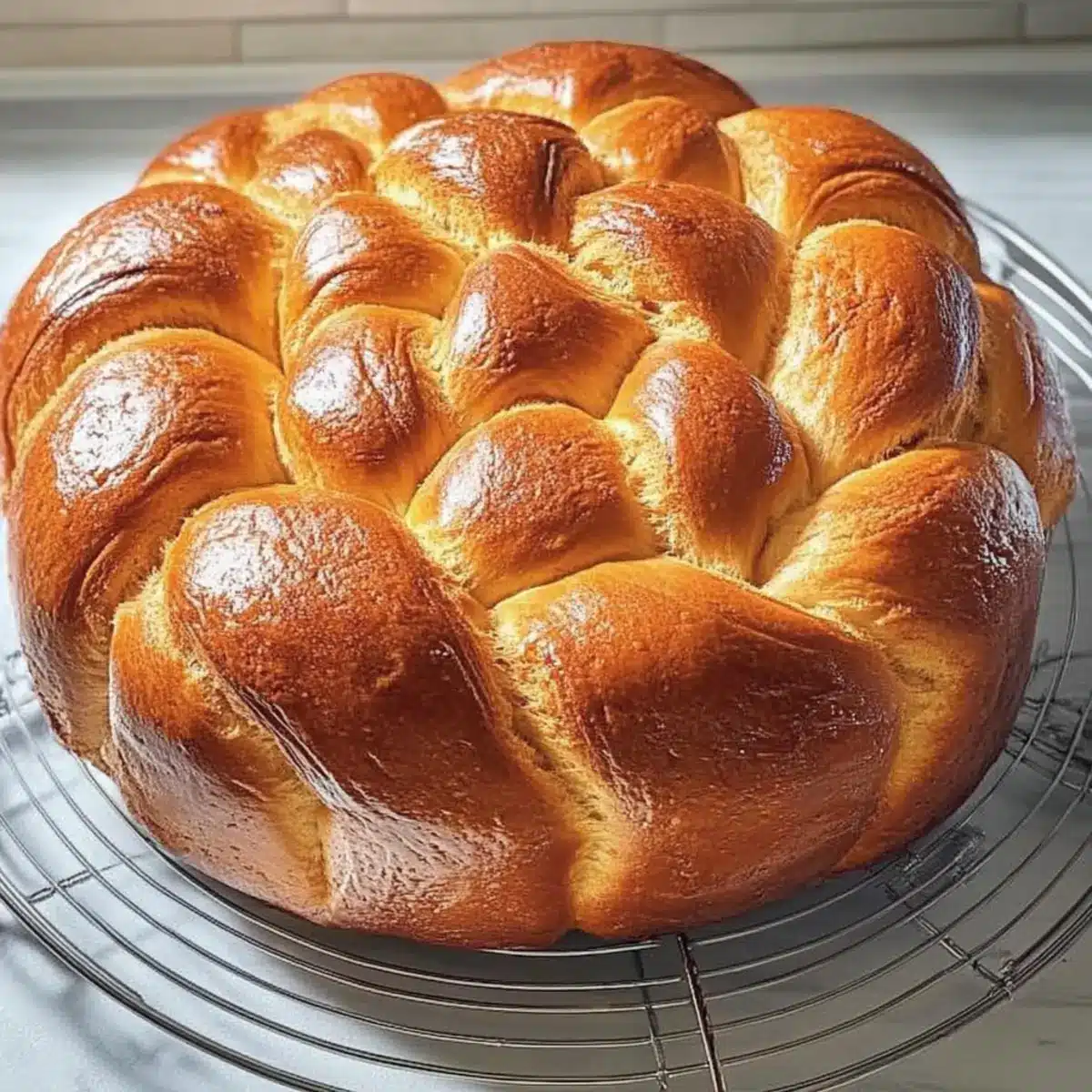
Once baked, carefully remove the Paska Bread from the pan and let it cool completely on a wire rack. This cooling step is necessary to enhance the flavors and textures. Once cooled, wrap the bread tightly in a tea towel and store in a zip-top bag, ensuring it stays fresh for up to five days or freeze for longer enjoyment.
Make Ahead Options
Paska Bread is perfect for meal prep enthusiasts looking to save time during busy holidays! You can prepare the dough up to 24 hours in advance by completing the first rise and then refrigerating it until ready to shape and bake. Simply punch down the dough, cover it tightly, and place it in the fridge overnight. When you’re ready to continue, let the dough sit at room temperature for about 30 minutes before shaping. Additionally, the finished, cooled Paska Bread can be wrapped and stored for up to 5 days or frozen for up to 3 months. This way, you’ll enjoy a soft, delicious loaf just as fresh and delightful as when it was first baked!
What to Serve with Traditional Paska Bread
Paska bread, with its soft, airy texture and slightly sweet flavor, creates the perfect backdrop for a festive, heartwarming meal.
-
Creamy Butter: Spread a generous layer of rich butter to enhance the bread’s slight sweetness, creating a comforting treat.
-
Homemade Jam: Pair with a tangy fruit jam, such as raspberry or apricot, for a delightful contrast that dances on your palate.
-
Honey Drizzle: For a touch of pure indulgence, add a drizzle of honey, elevating each slice with its natural sweetness.
-
Fresh Fruit Salad: A vibrant medley of seasonal fruits adds a refreshing and juicy balance to your meal, pleasing the eye and taste buds alike.
-
Scrambled Eggs: Serve alongside fluffy scrambled eggs seasoned with herbs for a comforting brunch that feels both indulgent and nourishing.
-
Crispy Bacon: The salty crunch of bacon provides a savory counterpart to the sweetness of Paska bread, creating a well-rounded breakfast plate.
-
Sweet Treats: Finish off the feast with light pastries or a traditional Ukrainian dessert, such as syrniki, to create a memorable gathering.
Expert Tips for Paska Bread
-
Perfect Yeast Activation: Use water between 110°F-115°F to awaken the active dry yeast properly, ensuring a great rise in your dough.
-
Avoid Sticky Dough: The dough should be soft but not overly sticky; if it is, gradually add additional flour while mixing to find that ideal consistency.
-
Knead Well: Take the time to knead the dough for 8-10 minutes until it’s smooth and elastic. This develops gluten, which gives your Paska bread that desired airy texture.
-
Watch the Rising: Keep the dough in a warm place during the rising times. A cold environment could slow down yeast activity, resulting in dense bread.
-
Storing for Freshness: Store leftover Paska bread tightly wrapped in a tea towel and then in a zip-top bag to prevent it from drying out, keeping it fresh and delicious for up to 5 days.
Paska Bread Variations & Substitutions
Feel free to play around with this delightful recipe and discover unique twists that elevate your Paska bread to new heights!
- Dried Fruits: Add raisins or candied fruits for bursts of sweetness throughout the bread. Enjoy the chewy texture that contrasts beautifully with the soft crumb.
- Spices: Incorporate spices like cinnamon or nutmeg to infuse warmth and depth into the flavor profile. Just a pinch can transform this classic loaf into something truly special.
- Nuts: Mix in chopped nuts such as walnuts or almonds for a satisfying crunch. They not only enhance the texture but also add visual appeal.
- Milk Alternatives: Substitute nonfat dry milk powder with almond or oat milk for a dairy-free version while keeping the richness intact. This adds a lovely nutty note to your bread.
- Flavored Glaze: Experiment with flavored egg washes by adding vanilla extract or citrus zest. The scent alone will transport you to festive gatherings while creating a stunning appearance.
- Mini Loaves: Shape the dough into mini loaves or rolls for a shareable option, perfect for a brunch spread or holiday gifting—who doesn’t love a personal-sized treat?
- Herbal Infusion: Consider adding fresh herbs like rosemary or thyme for a savory twist. This unexpected flavor combination makes for a delightful bread pairing with savory dishes.
- Braiding Variations: Try different braiding techniques or shapes, such as a simple twist or pinwheel design. Each one becomes a conversation piece on your dining table, reflecting your creativity.
Each variation offers a chance to make this bread your own, making it a cherished recipe for any occasion. Whether enjoyed plain or enhanced, Paska bread will always bring people together. If you love baked goods, don’t forget to check out my delightful Cowboy Cornbread Casserole for a hearty feast!
How to Store and Freeze Paska Bread
Room Temperature: Wrap your Paska bread in a tea towel and store in a cool, dry place for up to 5 days to maintain its softness and flavor.
Fridge: If you prefer chilled bread, store it in an airtight container in the fridge for up to 3 days, though this can affect the texture.
Freezer: For longer storage, tightly wrap the Paska bread in plastic wrap and aluminum foil, and freeze for up to 3 months without losing its delightful taste.
Reheating: To enjoy your Paska bread warmed, simply thaw it in the fridge overnight, then reheat in a 350°F oven for about 10-15 minutes, bringing back that fresh-baked aroma and softness.
Paska Bread Recipe FAQs
What should I look for when selecting ingredients for Paska bread?
Absolutely! For the best Paska bread, select fresh, room temperature eggs and high-quality active dry yeast. Make sure the flour is unbleached all-purpose flour for optimal texture. When choosing your butter, pick a brand that is unsalted and fresh—this adds to the flavor of your bread.
How should I store my Paska bread to keep it fresh?
To maintain its delightful taste, wrap your Paska bread in a tea towel and then place it in a zip-top bag. Store it at room temperature, and it will stay fresh for up to 5 days. If you’re creating this beauty for later enjoyment, consider freezing it as described below for maximum flavor.
Can I freeze Paska bread? If so, how?
Yes, absolutely! To freeze your Paska bread, let it cool completely after baking, then wrap it tightly in plastic wrap and aluminum foil to prevent freezer burn. It can be stored in the freezer for up to 3 months. When you’re ready to enjoy it, simply thaw in the refrigerator overnight and reheat in a 350°F oven for about 10-15 minutes. This method will revive the bread’s wonderful texture and aroma!
What do I do if my dough doesn’t rise properly?
If your Paska dough isn’t rising as expected, it could be due to the yeast not activating. Ensure your warm water is between 110°F and 115°F for optimal yeast activation. Let the dough rise in a warm, draft-free area. If it’s still not rising, try giving it more time, as different temperatures can slow or speed up yeast activity. Patience can work wonders!
Are there any dietary considerations I should keep in mind?
Very! Paska bread is vegetarian-friendly, as it contains no meat products. However, if you have a dairy allergy, you may substitute the butter with margarine or a plant-based alternative. For those concerned with gluten, consider a gluten-free all-purpose flour blend, but remember that this might change the texture slightly. Always check labels to ensure all ingredients meet dietary needs!
What are common mistakes to avoid when making Paska bread?
One of the most common mistakes is not kneading the dough long enough. Aim for about 8-10 minutes until it’s smooth and elastic to develop gluten properly. Additionally, ensure your yeast is active; if your mixture isn’t bubbling after about 10 minutes of resting, you may need to use new yeast. Lastly, avoid adding too much extra flour, which can create a dense loaf—if your dough is too sticky, add flour gradually until you achieve a soft, manageable dough.
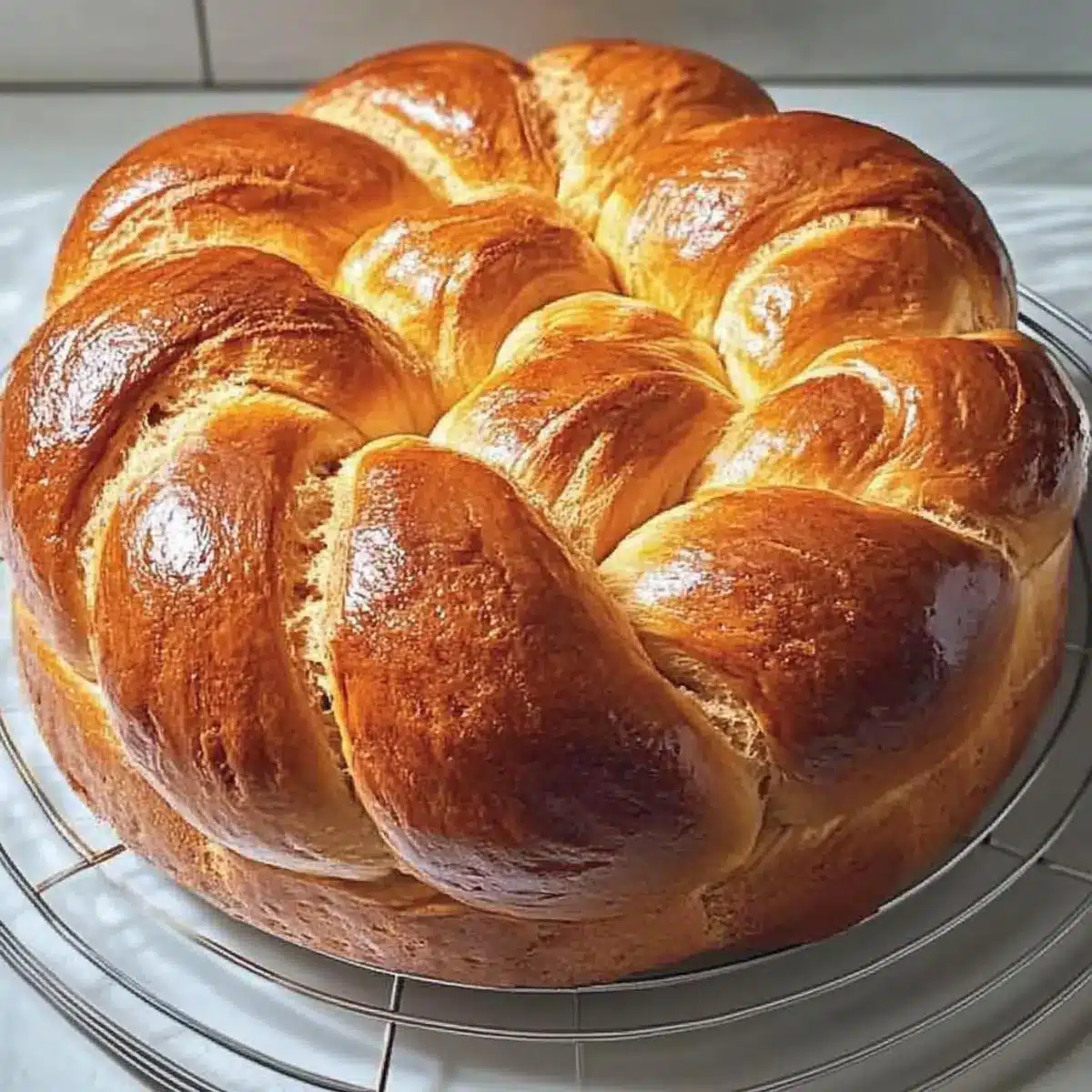
Heavenly Paska Bread: A Sweet Ukrainian Tradition Unveiled
Ingredients
Equipment
Method
- In a small bowl, dissolve the yeast and sugar in warm water. Let it stand until frothy.
- In a large bowl, combine the yeast mixture with nonfat dry milk powder and all-purpose flour. Mix until smooth and let it rest for 20 minutes.
- Add eggs, melted butter, sugar, and salt. Stir well and incorporate enough flour until the dough is soft and slightly sticky.
- Knead the dough on a floured surface for 8-10 minutes until it is smooth and elastic. Shape into a ball.
- Place the dough in a greased bowl, cover, and let it rise in a warm place for about 1 hour until doubled in size.
- Punch down the dough and divide in half. Shape one half into the base of a greased springform pan.
- Divide the remaining dough into six pieces, roll into ropes, braid, and place over the pressed dough.
- Cover braided dough and let it rise again for an hour. Preheat the oven to 350°F halfway through.
- Whisk together egg and water for the glaze, brush over the risen dough, and bake for 50-60 minutes until golden brown.
- Let the bread cool completely on a wire rack, then wrap in a towel and store in a zip-top bag.