

As I ladled the steaming Lotus Root and Spare Rib Soup into bowls, the comforting aroma wrapped around me like a warm hug. This traditional Cantonese dish isn’t just a meal; it’s a cherished family ritual that embodies nourishment and togetherness. With crunchy lotus root providing a delightful texture against the tender spare ribs, every spoonful is a soothing reminder of home-cooked goodness. Preparation is a breeze, making it perfect for gatherings or cozy nights in. Plus, it’s slow-simmered to create a rich and flavorful broth that nourishes both body and soul. Ready to dive into this culinary journey? Let’s explore how to bring this heartwarming soup to your kitchen!
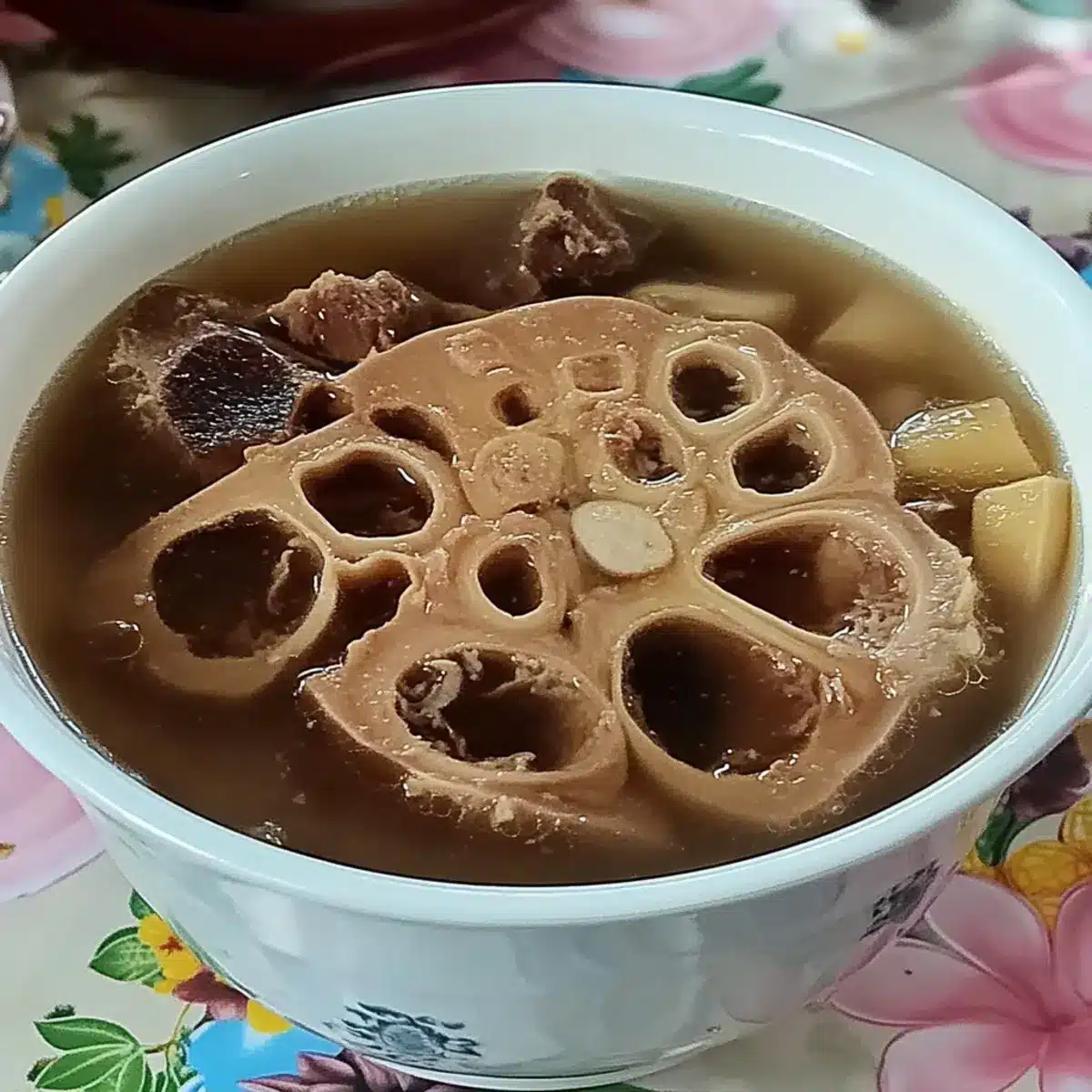
Why is this soup a family favorite?
Comforting Flavors: The Lotus Root and Spare Rib Soup is a celebration of heartwarming flavors, bringing together savory pork and crunchy lotus root in every delicious bite.
Time-Tested Tradition: Rooted in Cantonese culinary traditions, this dish not only nourishes the body but also connects families, making it a staple at gatherings.
Effortless Preparation: With simple steps and minimal prep work, you can enjoy gourmet flavors without spending hours in the kitchen.
Versatile Ingredients: Feel free to customize the soup—swap spare ribs for chicken or replace dried octopus with scallops for a fresh twist.
Health Benefits: Packed with fiber and nutrients, lotus root adds a healthful touch, making each bowl a wholesome choice.
Enjoy this soup with dipping sauce on the side for added excitement, and don’t miss trying it alongside other comforting options like Wild Rice Soup or Beef Barley Soup for a full family feast!
Lotus Root and Spare Rib Soup Ingredients
For the Soup
• Lotus Root – Provides crunch and absorbs flavors; fresh is best for this nourishing soup.
• Pork Spare Ribs – Add richness and depth; opt for soft bone ribs for a tender texture.
• Dried Octopus – Enhances umami flavor in the broth; toast before adding for a nose-tingling aroma.
• Black Beans – Used for seasoning; they impart a savory note that complements the dish.
• Ginger – Offers warmth and spice, essential for balancing flavors seamlessly.
• Garlic – Adds aromatic depth that elevates the entire soup.
• Water – The base of the broth, crucial for simmering the ingredients to develop flavor.
Step‑by‑Step Instructions for Lotus Root and Spare Rib Soup
Step 1: Blanch the Pork
Start by bringing a large pot of water to a rolling boil. Add the pork spare ribs, allowing them to cook for about 5 minutes. This blanching process helps to remove any scum or impurities, ensuring a clear broth. Once done, drain the ribs and rinse them under cold water to refresh and clean them.
Step 2: Prepare the Ingredients
While your spare ribs cool, scrub and peel the lotus root, then cut it into even slices about half an inch thick. In a separate toaster oven, toast the dried octopus pieces for approximately 3-5 minutes until fragrant, enhancing the umami flavor in your Lotus Root and Spare Rib Soup. Set aside both ingredients for the next step.
Step 3: Combine Ingredients in a Pot
In a clean pot, combine the blanched pork spare ribs, prepared lotus root slices, and the toasted dried octopus. Add roughly 8 cups of water to cover the ingredients completely. Toss in slices of ginger and minced garlic to infuse the broth with depth. Bring everything to a vigorous boil, and enjoy the tempting aromas wafting through your kitchen.
Step 4: Simmer for Flavor Development
Once boiling, reduce the heat to low to achieve a gentle simmer, then cover the pot. Let the soup cook for 3-4 hours, stirring occasionally, allowing the flavors of the lotus root and spare ribs to meld beautifully. As it simmers, the meat will become tender, and the broth will develop a rich, nourishing essence.
Step 5: Serve the Soup
When your Lotus Root and Spare Rib Soup is ready, ladle the hot soup into bowls. For an extra flavor boost, consider garnishing each serving with sliced chili and a side of soy sauce for dipping. This finishing touch adds a delightful zing that complements the soup’s heartwarming qualities, making each bowl a celebration of taste.
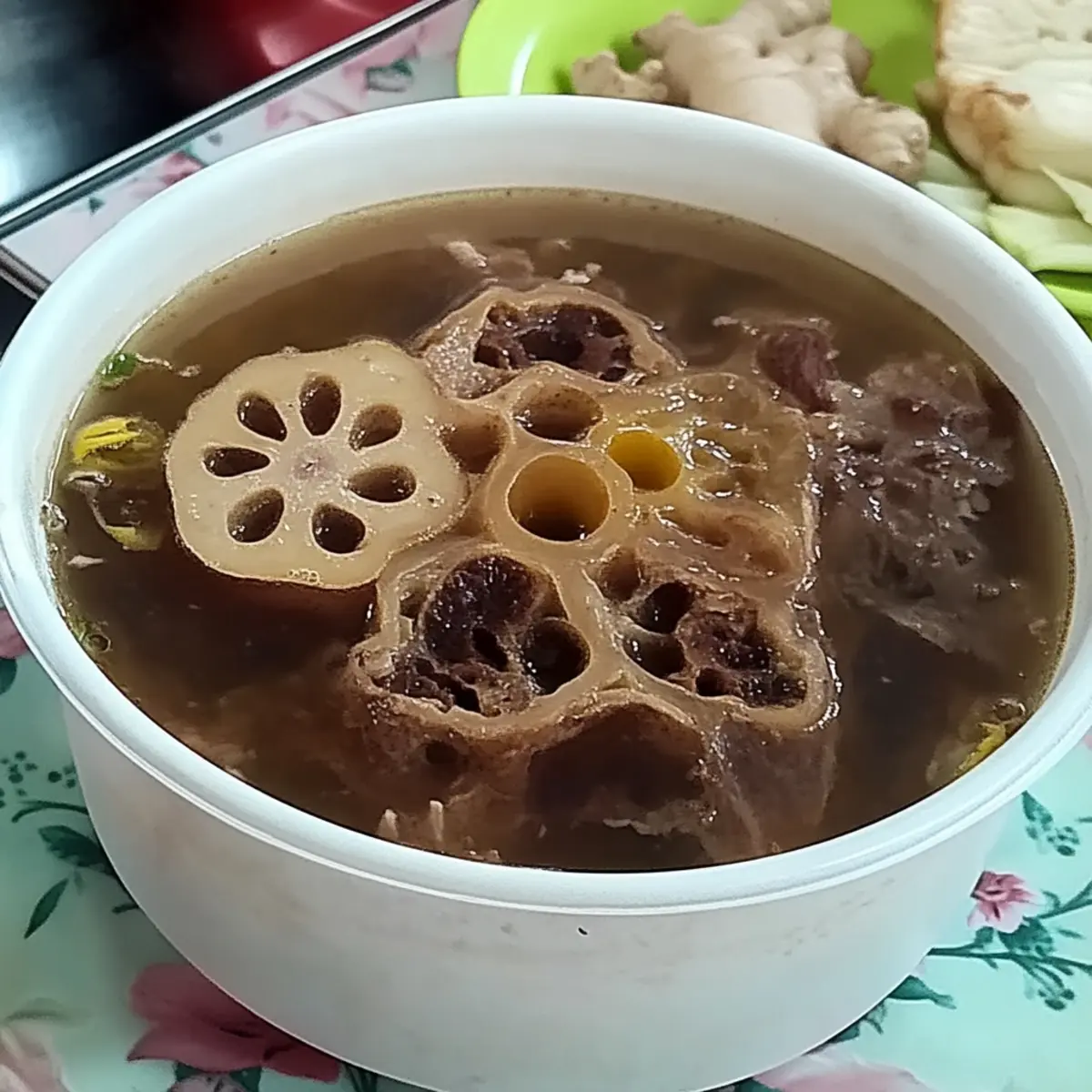
Lotus Root and Spare Rib Soup Variations
Feel free to get creative and make this comforting soup your own with these delightful twists!
-
Chicken Swap: Substitute spare ribs with chicken thighs for a lighter take. This will also create a subtly different flavor profile that’s just as tasty.
-
Seafood Delight: Replace dried octopus with dried scallops or clams. This simple change offers a briny kick and adds a touch of the sea to your soup.
-
Vegetarian Version: Use mushrooms and tofu instead of meat, simmering them with the same seasonings for a savory, plant-based option that doesn’t skimp on flavor.
-
Herbal Upgrade: Add fresh herbs like cilantro or parsley closer to serving for a bright, fragrant finish that elevates the flavor experience.
-
Spice it Up: Consider incorporating sliced chili or red pepper flakes for a zesty kick! This variation adds an exciting touch and can be tailored to your heat tolerance.
-
Flavor Booster: Include a splash of soy sauce or fish sauce while simmering to deepen the umami taste. Just a little can transform your broth into a flavor powerhouse!
-
Root Vegetable Twist: Enhance the soup’s nutrient profile by adding diced carrots or sweet potatoes along with the lotus root. They contribute sweetness and a lovely, contrasting texture.
This soup pairs beautifully with a side of fresh chili soy sauce for dipping, enhancing each spoonful. If you’re looking for other comforting options, don’t forget to explore Wild Rice Soup or Beef Barley Soup to create a memorable family feast!
What to Serve with Homemade Cantonese Lotus Root and Spare Rib Soup
As you revel in the warmth of your nourishing soup, consider these delightful accompaniments to complete your family feast.
-
Steamed Jasmine Rice: The fluffy, aromatic rice soaks up the rich broth, balancing the savory flavors perfectly. A great way to enjoy every drop of soup!
-
Stir-Fried Bok Choy: Lightly sautéed in garlic, this green delight adds a refreshing crunch and vibrant color to your meal, enhancing the overall experience.
-
Crispy Spring Rolls: Stuffed with savory vegetables, these golden-brown rolls provide a satisfying crunch that beautifully contrasts the soup’s tender texture.
-
Chili Soy Dipping Sauce: A side of spicy soy sauce elevates your soup experience, allowing diners to customize their flavors and heat levels.
-
Egg Tarts: For dessert, these flaky pastries filled with smooth custard offer a sweet finish to your comforting meal, continuing the celebration of textures.
-
Ginger Tea: A warm cup of ginger tea not only aids digestion but perfectly complements the rich flavors of the soup, creating a harmonious dining experience.
Transform your meal into a comforting occasion that invites connection and love around the table!
Expert Tips for Lotus Root and Spare Rib Soup
• Blanching is Crucial: Always blanch the pork spare ribs to ensure a clear broth and remove any impurities that could cloud the soup.
• Fresh is Best: Opt for fresh lotus root, as frozen varieties can become soggy during slow cooking, compromising the delightful texture of your dish.
• Cooking Time Matters: Adjust simmering time based on the type of pork used; softer cuts may require less time to become tender and flavorful.
• Gentle Simmer Required: Maintain a gentle simmer throughout the cooking process; rapid boiling can lead to a less developed flavor and murky broth.
• Taste Before Serving: Always taste the soup towards the end of cooking to adjust seasonings as necessary; this final touch enhances your lotus root and spare rib soup’s flavor profile.
• Storage and Reheating: Store leftovers in the refrigerator for up to three days and reheat gently to preserve the delicate flavors and textures.
How to Store and Freeze Lotus Root and Spare Rib Soup
Fridge: Store the soup in an airtight container for up to 3 days. Make sure the soup has cooled down before sealing to maintain freshness.
Freezer: For longer storage, freeze the soup for up to 2 months in freezer-safe containers. Leave some space at the top as liquids expand when frozen.
Reheating: When ready to enjoy, reheat gently on the stove over low heat or in the microwave, stirring occasionally until hot throughout.
Freshness Tip: For the best flavor, consume within the first few days, as the lotus root and spare ribs can lose texture when reheated multiple times.
Make Ahead Options
These Lotus Root and Spare Rib Soup preparations are a lifesaver for busy weeknights! You can easily blanch the spare ribs and prepare the lotus root up to 24 hours in advance. Simply blanche the pork in boiling water, drain, and store them in an airtight container, while the lotus root can be sliced and submerged in water (to prevent browning) before refrigerating. For the best results, combine the pork, lotus root, toasted octopus, ginger, and garlic just before simmering. When you’re ready to enjoy the soup, add enough water to cover the ingredients and let it simmer for about 3-4 hours for rich and flavorful results. This way, you’ll have a nourishing and delicious meal ready with minimal effort!
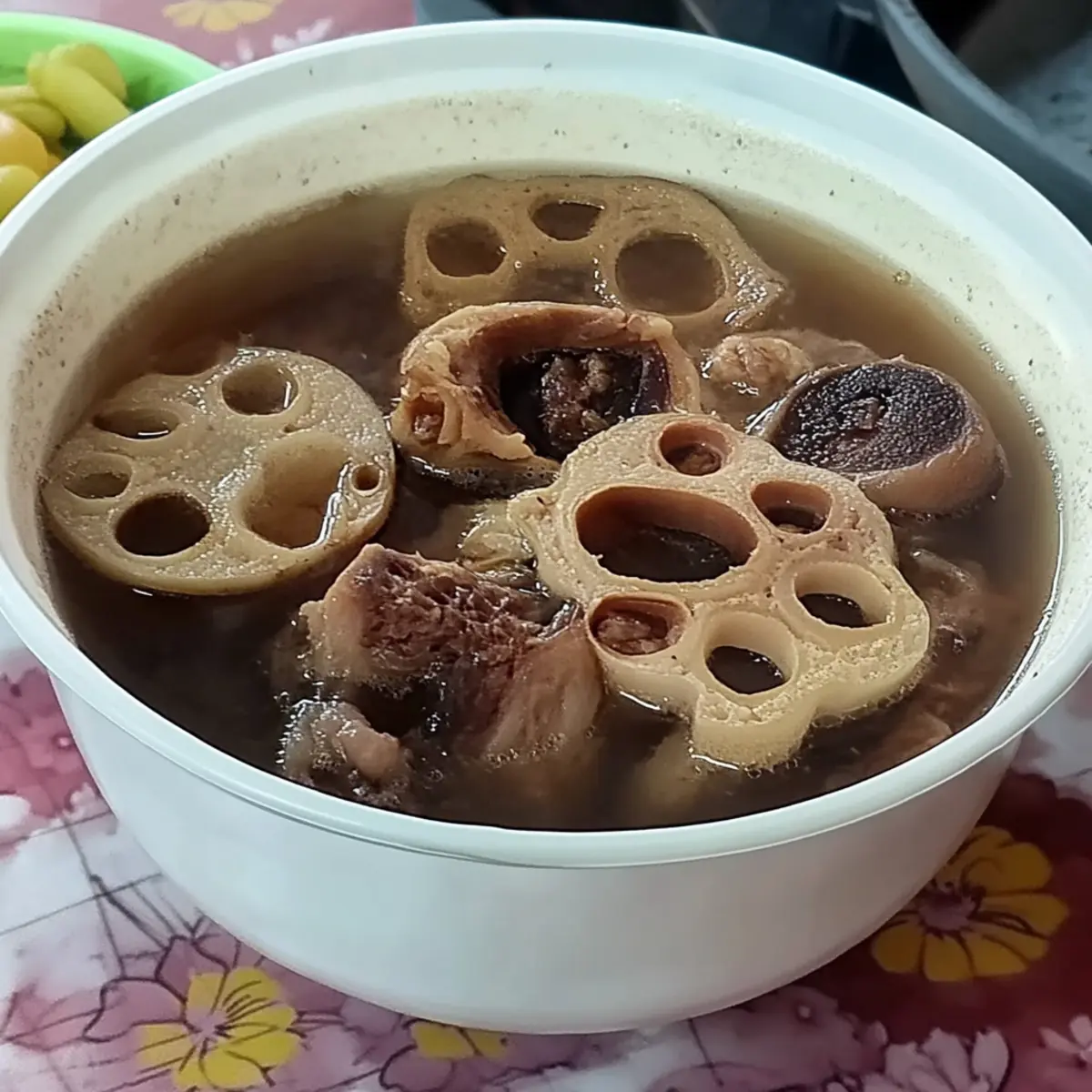
Lotus Root and Spare Rib Soup Recipe FAQs
What type of lotus root should I use?
Absolutely! Fresh lotus root is the best choice for this soup, as it provides that desired crunch and absorbs flavors beautifully. Avoid frozen lotus root, as it tends to become mushy during cooking. Look for firm, light-colored roots without dark spots; this usually indicates freshness.
How long can I store the soup in the refrigerator?
The soup can be stored in an airtight container in the refrigerator for up to 3 days. Make sure it has cooled completely before sealing to maintain its flavor and quality. When ready to enjoy again, simply reheat it gently on the stove or in the microwave, stirring occasionally to evenly heat.
Can I freeze Lotus Root and Spare Rib Soup?
Absolutely! For longer storage, you can freeze the soup for up to 2 months. Use freezer-safe containers, but be sure to leave some space at the top because liquids expand when frozen. To reheat, thaw in the refrigerator overnight and warm gently on the stove over low heat or in the microwave.
What should I do if the broth turns cloudy?
If your broth ends up cloudy, it’s often due to not blanching the pork ribs long enough or boiling too rapidly during the cooking process. To troubleshoot, always blanch your spare ribs first, and then maintain a gentle simmer while cooking the soup. Stirring occasionally helps, too, as this can keep the sediment from settling.
Is this soup safe for my dog to try?
While the flavors of this soup are delightful for humans, it’s best not to share it with your furry friends. Ingredients like garlic and excessive salt are not advisable for dogs. However, you can set aside a small, plain portion of the cooked pork for them, ensuring no seasoning is included!
Can I modify the soup for dietary restrictions?
Very! If you’re looking for alternatives due to dietary restrictions, consider using chicken instead of pork for a lighter version. Additionally, if you want to replace dried octopus, dried scallops or clams make excellent substitutes, offering their unique flavors without the need for shellfish. Enjoy experimenting!
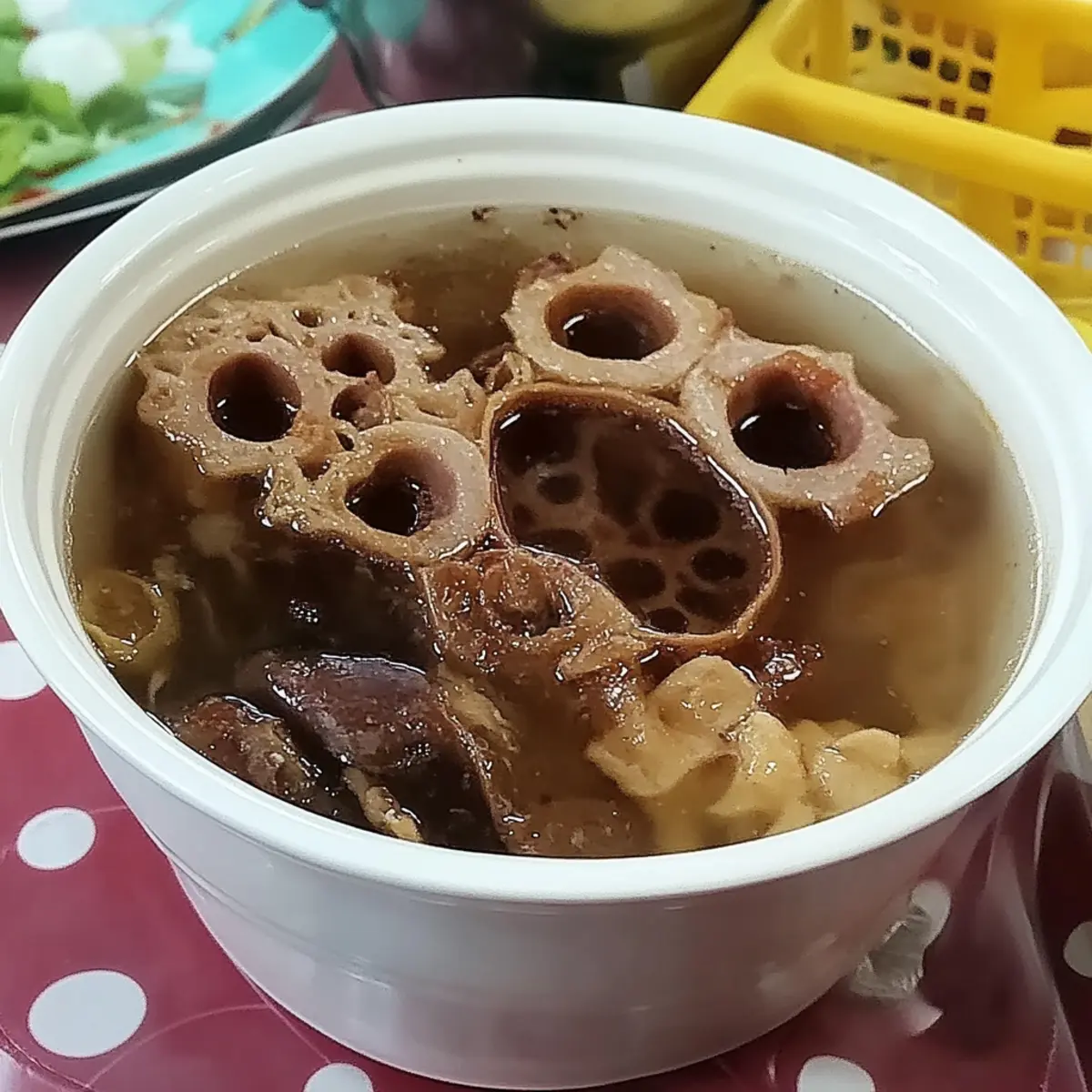
Nourishing Lotus Root and Spare Rib Soup for Family Comfort
Ingredients
Equipment
Method
- Start by bringing a large pot of water to a rolling boil. Add the pork spare ribs, allowing them to cook for about 5 minutes. This blanching process helps to remove any scum or impurities, ensuring a clear broth. Once done, drain the ribs and rinse them under cold water.
- While your spare ribs cool, scrub and peel the lotus root, then cut it into even slices about half an inch thick. In a separate toaster oven, toast the dried octopus pieces for approximately 3-5 minutes until fragrant. Set aside both ingredients.
- In a clean pot, combine the blanched pork spare ribs, prepared lotus root slices, and toasted dried octopus. Add roughly 8 cups of water to cover the ingredients completely. Toss in slices of ginger and minced garlic. Bring everything to a vigorous boil.
- Once boiling, reduce the heat to low to achieve a gentle simmer. Cover the pot and let it cook for 3-4 hours, stirring occasionally, until the meat is tender and the broth is flavorful.
- When the soup is ready, ladle the hot soup into bowls. Garnish with sliced chili and serve with soy sauce for dipping.