

As I stood in my kitchen, the aroma of sizzling garlic and ginger enveloped me, whisking me away to the bustling streets of Seoul. This Quick and Spicy Korean Buldak Fire Chicken recipe is my secret weapon for a flavor-packed dinner that the whole family raves about. With succulent chicken enveloped in a spicy-sweet sauce, then crowned with bubbling mozzarella cheese, it’s the perfect combination of warmth and excitement. Not only is this dish a delightful way to spice up your weeknight meals, but it’s also refreshingly quick to prepare—definitely a win when you’re looking to ditch fast food! Who’s ready to dive into the deliciously spicy world of Korean cuisine?
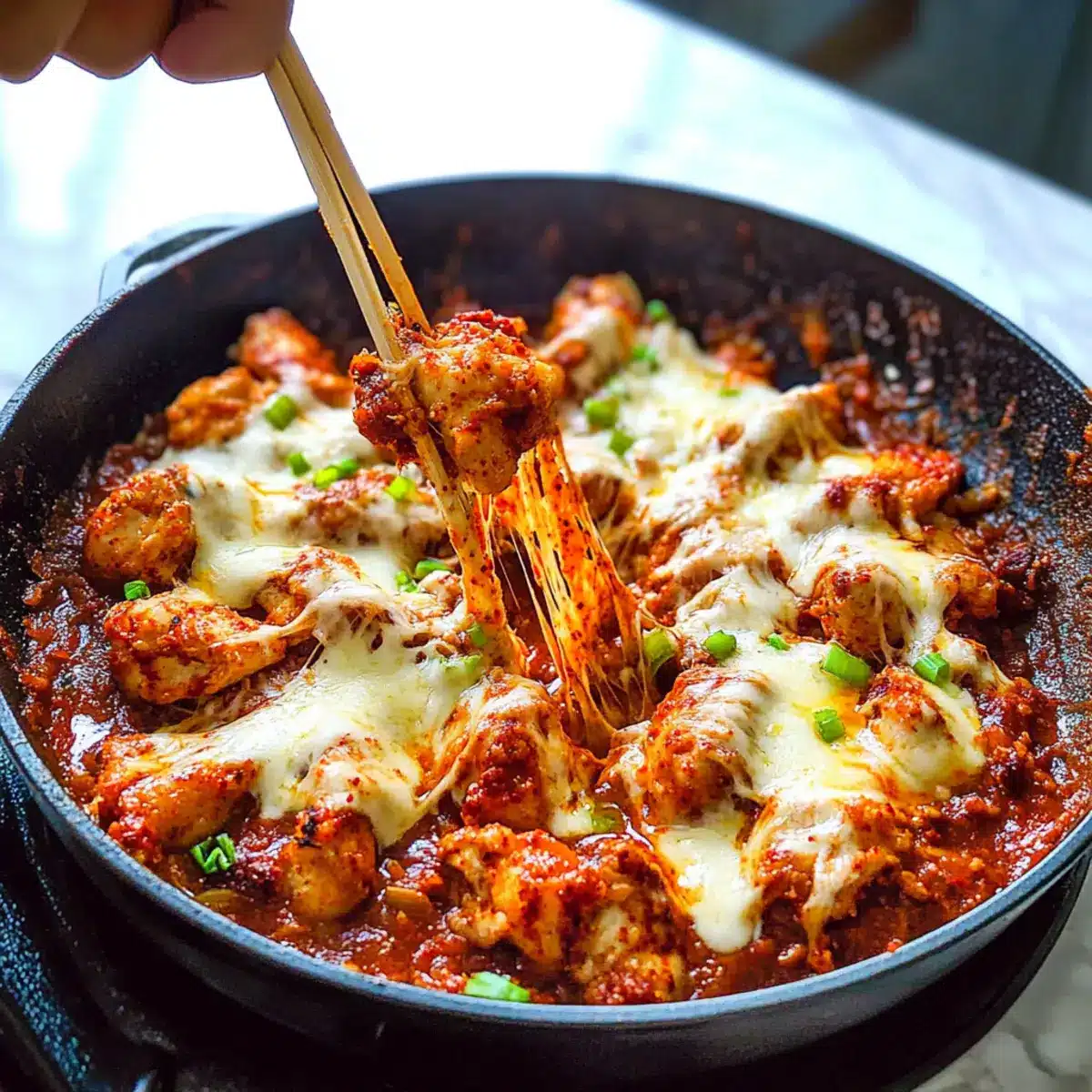
Why is Korean Fire Chicken a Must-Try?
Irresistible flavors: This dish delivers an explosion of sweet and spicy notes that dance on your palate, ensuring every bite is full of delight.
Quick preparation: Ready in under 30 minutes, it’s perfect for busy weeknights when you crave flavor without the fuss!
Family-approved: The bubbling cheese topping makes it irresistibly appealing to both kids and adults alike.
Versatile ingredients: You can customize it with different proteins like shrimp or tofu, and even serve it with rice noodles for a twist.
Comfort food vibes: Perfectly spiced and cheesy, it’s a warm hug in a bowl that transforms an ordinary dinner into something extraordinary!
Korean Fire Chicken Ingredients
For the Marinade
- Gochugaru – Korean red pepper flakes for spice; use less for a milder dish.
- Gochujang – Korean red pepper paste for umami and heat; substitute with another chili paste if unavailable.
- Brown Sugar – Adds sweetness to balance spice; can replace with rice syrup for reduced sweetness.
- Garlic Cloves – Provides essential flavor; fresh is recommended, avoid pre-minced.
- Fresh Ginger – Adds aromatic warmth; can use ginger paste as a shortcut.
- Soy Sauce – For seasoning; tamari can substitute for gluten-free needs.
- Black Pepper – Enhances flavor and depth; regular black pepper will work.
For the Chicken
- Boneless Skinless Chicken Thighs – Main protein; chicken breast can be used but may dry out if overcooked.
- Canola Oil – For sautéing; vegetable or peanut oil can be used.
Optional Add-Ins
- Korean Rice Cakes – Offers a chewy element; can omit if unavailable.
- Chopped Onions – Adds sweetness and texture; skip if not desired.
For Topping
- Low Moisture Mozzarella Cheese – Melts beautifully; avoid fresh mozzarella to prevent excess moisture.
- Green Onions/Scallions – For garnish, adds fresh flavor.
This delightful Korean Fire Chicken is not just a meal; it’s an experience that’ll bring the family together around the table!
Step‑by‑Step Instructions for Korean Fire Chicken
Step 1: Prepare the Marinade
In a medium bowl, combine gochugaru, gochujang, brown sugar, minced garlic, grated ginger, soy sauce, and black pepper. Mix well until a smooth paste forms. Cut boneless skinless chicken thighs into bite-sized pieces and coat them thoroughly with the marinade. Let the chicken sit for at least 15 minutes to absorb the flavors while you prepare the other ingredients.
Step 2: Sauté the Rice Cakes (Optional)
If adding Korean rice cakes, heat a tablespoon of canola oil in a large skillet over medium-high heat. Once the oil is shimmering, add the rice cakes and sauté for about 3–4 minutes until they turn golden brown and crispy. Remove them from the skillet and set aside, keeping them warm, while you cook the chicken.
Step 3: Sauté Onions (Optional)
In the same skillet, if desired, add chopped onions and sauté over medium heat. Cook for 4–5 minutes until the onions are softened and translucent. This step enhances the overall flavor of your Korean Fire Chicken, creating a sweet and savory base for the dish.
Step 4: Cook the Chicken
Add the marinated chicken to the skillet with the sautéed onions along with ¼ cup of water. Cover the skillet and cook on medium heat for 8–10 minutes, stirring occasionally. Ensure the chicken is fully cooked and no longer pink in the center. If using rice cakes, toss them in halfway through for even heating.
Step 5: Broil with Cheese
Preheat your broiler. Once the chicken is cooked, layer low moisture mozzarella cheese evenly over the chicken. Place the skillet under the broiler for about 2 minutes, or until the cheese is bubbling and lightly browned. Keep a close eye on it to prevent burning, as broiler temperatures can vary.
Step 6: Garnish and Serve
Once the cheese is melted to your preference, remove the skillet from the broiler. Garnish your delicious Korean Fire Chicken with chopped green onions or scallions for a fresh pop of color and flavor. Serve hot, ideally with a side of steamed rice to soak up that wonderful sauce and enjoy this family-approved meal!
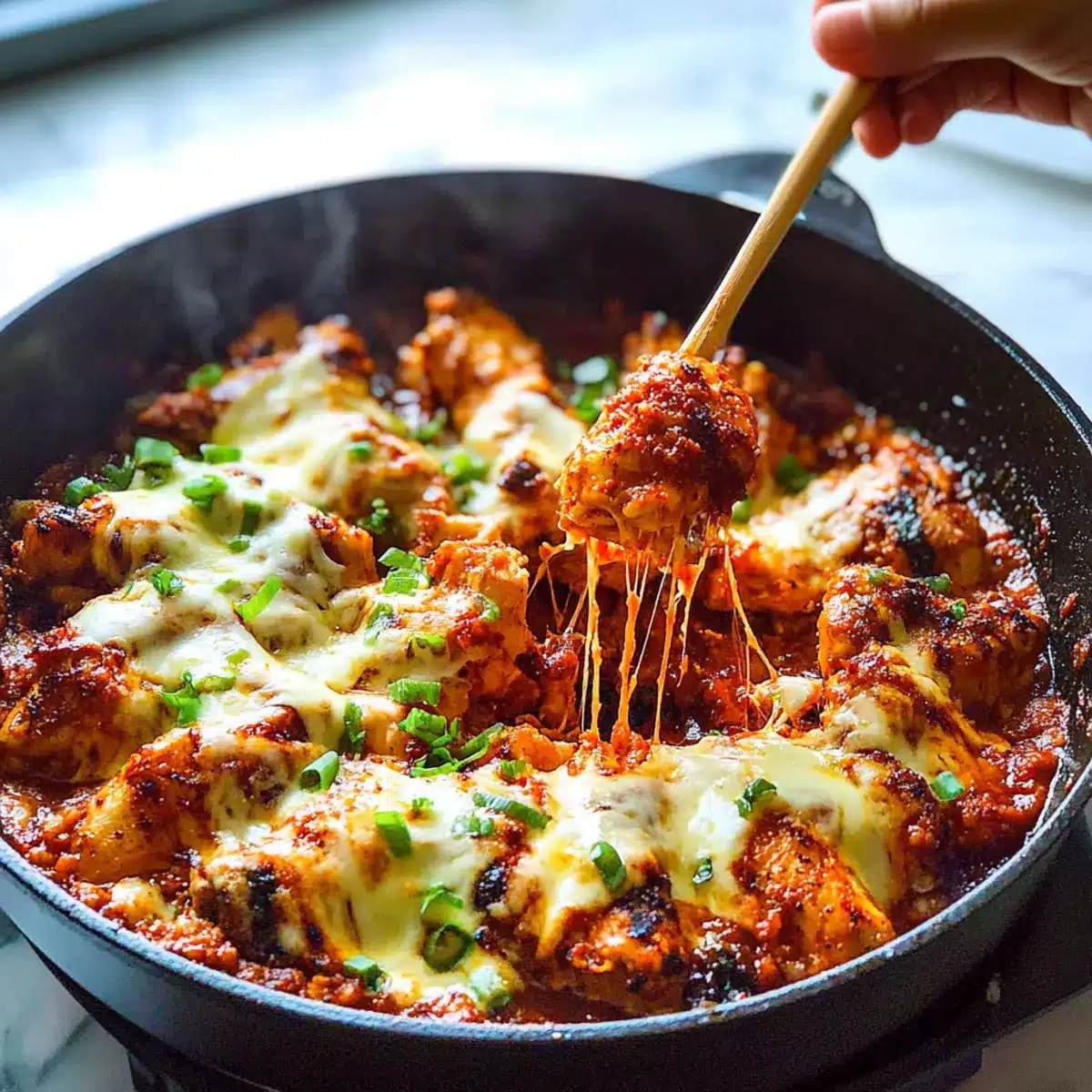
Korean Fire Chicken Variations & Substitutions
Feel free to explore these delicious variations and make this Korean Fire Chicken your own!
-
Protein Swap: Try shrimp or tofu instead of chicken for a pescatarian or vegetarian twist. Both options absorb flavors wonderfully, making each bite equally satisfying.
-
Cheese Options: Experiment with different cheeses like cheddar or pepper jack for a unique flavor kick! Their distinct profiles create a delightful contrast with the spiciness of the dish.
-
Vegetable Boost: Add some bell peppers, mushrooms, or carrots for extra nutrition and crunch. This will enhance the texture, adding bursts of freshness alongside that gooey cheese.
-
Gluten-Free Choice: Substitute soy sauce with tamari to make this dish gluten-free without sacrificing flavor. It’s a seamless swap that keeps the essence of the dish intact.
-
Bulgur Wheat or Quinoa: Swap rice with bulgur wheat or quinoa for a nutritious twist, bringing a nutty flavor and extra health benefits to your meal.
-
Sauce Variation: Mix in a splash of lime juice for a bright, zesty finish. This will elevate the flavor profile, lending a refreshing note to your spicy chicken.
-
Heat Level Control: If you’re not ready to dive into full-spice mode, reduce the gochugaru or substitute with sweet chili sauce for a milder and equally tasty experience.
To elevate your meal even further, try pairing it with other delicious recipes like Firecracker Ground Chicken or Bq Chicken Twice Baked Sweet Potatoes for a spread that will truly impress!
Storage Tips for Korean Fire Chicken
- Fridge: Store leftovers in an airtight container for up to 3 days. Make sure the chicken has cooled to room temperature before sealing to preserve its moisture and prevent condensation.
- Freezer: Freeze Korean Fire Chicken in a tightly sealed container for up to 2 months. To reheat, thaw overnight in the fridge before warming in the microwave or skillet, adding a splash of water if necessary to maintain juiciness.
- Reheating: When reheating, do so gently over medium heat, covered, for about 5–7 minutes until heated through, ensuring the meal remains tender and packed with flavor.
- Cheese Factor: To avoid a rubbery texture when reheating, consider adding fresh mozzarella cheese on top during the last few minutes of heating for that delightful cheesy melt without diminishing the quality of the original dish.
Make Ahead Options
These Korean Fire Chicken preparations are perfect for busy weeknights! You can marinate the chicken up to 24 hours in advance, allowing the flavors to intensify while saving you time later. Simply combine the marinade ingredients, coat the diced chicken, and store it in an airtight container in the fridge. If you’re including rice cakes, you can sauté them in advance as well, letting them cool before refrigerating for up to 3 days. When you’re ready to serve, just cook the marinated chicken and rice cakes in the skillet as instructed, broil with cheese, and enjoy restaurant-quality Korean Fire Chicken at home with minimal effort. This way, you’ll embrace the convenience of make-ahead cooking without sacrificing taste!
Expert Tips for Korean Fire Chicken
-
Mouthwatering Marinade: Always let the chicken marinate for at least 15 minutes to fully absorb the savory flavors of the sauce, enhancing the taste of your Korean Fire Chicken.
-
Perfectly Cooked Chicken: Avoid overcooking your chicken by keeping an eye on it while it cooks; tender and juicy pieces are key to a great dish.
-
Spice Control: Adjust the spice level to your liking by varying the amount of gochugaru used; start with less if you prefer a milder flavor in your Korean Fire Chicken.
-
Cheese Matters: Use low moisture mozzarella for optimal melting results; fresh mozzarella can retain too much moisture, leading to a soggy dish.
-
Sauté Wisely: If adding rice cakes, sauté them until crispy before mixing in with the chicken—this adds a delightful texture contrast to your meal.
-
Side Suggestions: Serve with classic Korean sides like kimchi or pickled vegetables to complement the spicy flavors and make your meal authentic and family-friendly.
What to Serve with Quick and Spicy Korean Buldak Fire Chicken
Dive into a delightful dining experience that perfectly balances flavors and textures alongside your fiery main dish.
-
Steamed White Rice: The classic pairing for Korean dishes, the fluffy rice absorbs the spicy sauce, adding a soothing contrast. It’s simple but essential!
-
Korean Rice Cakes: These chewy delights can be sautéed crispy and tossed with the chicken, enhancing the dish’s texture and making every bite exciting.
-
Fresh Cucumber Salad: Crisp, refreshing cucumber slices drizzled with sesame dressing provide a cool crunch that balances the heat of the chicken wonderfully.
-
Kimchi: Spicy, tangy kimchi adds a traditional touch to your meal while offering probiotics that are great for digestion.
-
Savory Green Salad: A light salad with mixed greens, topped with toasted sesame seeds and a sesame vinaigrette, will brighten your plate and palate.
-
Spicy Pickled Radish: These crunchy, tart bites are a Korean staple, complementing the richness of the chicken and providing a zesty crunch that invigorates each mouthful.
Pairing the Korean Fire Chicken with these options transforms dinner into an experience worth savoring, with flavors that dance in harmony.
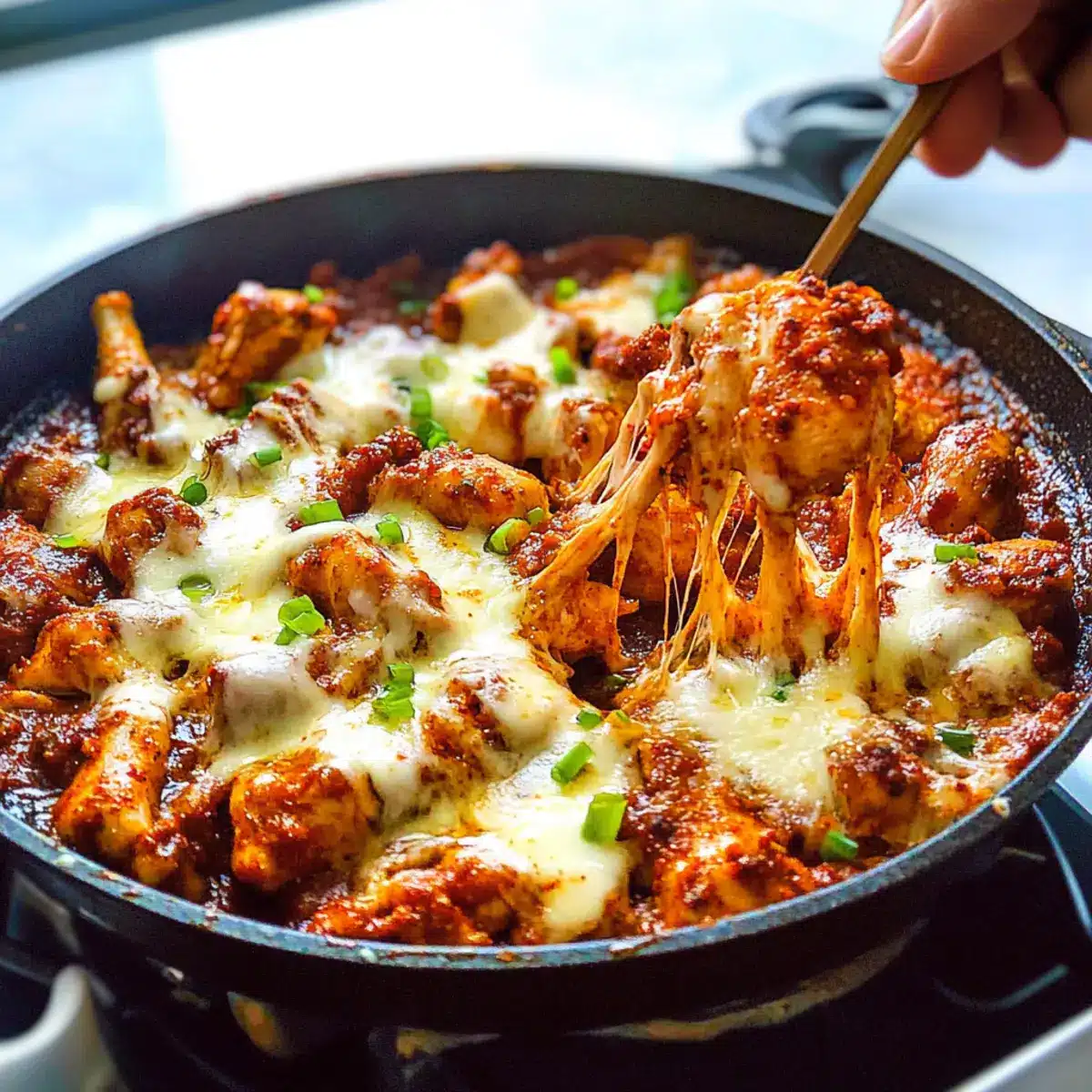
Korean Fire Chicken Recipe FAQs
What type of chicken is best for Korean Fire Chicken?
I recommend using boneless skinless chicken thighs for ultimate juiciness and flavor. While you can substitute with chicken breasts, they tend to dry out if overcooked, which is something to keep an eye on during the cooking process.
How do I store leftovers of this dish?
Leftovers can be stored in an airtight container in the fridge for up to 3 days. Make sure the chicken has cooled to room temperature before sealing to preserve its moisture and flavor.
Can I freeze Korean Fire Chicken?
Absolutely! You can freeze Korean Fire Chicken in a tightly sealed container for up to 2 months. To reheat, thaw overnight in the fridge before warming in the microwave or skillet, adding a splash of water to keep it juicy.
What should I do if I find the dish too spicy?
If your Korean Fire Chicken ends up spicier than you prefer, you can balance it out by serving it with a side of steamed white rice or a creamy dipping sauce. Alternatively, try adding a bit more brown sugar to the sauce to cut through the heat.
What are some dietary considerations for this recipe?
For gluten-free needs, you can substitute soy sauce with tamari sauce. If you’re preparing this dish for children, you may reduce the amount of gochugaru for a milder flavor without losing the essence of the dish. Always check for any specific ingredient allergies beforehand.
How can I tell when the chicken is cooked through?
Ensure the chicken is fully cooked by cutting a piece open; it should no longer be pink inside, and the juices should run clear. You can also use a meat thermometer to check for a safe internal temperature of 165°F (75°C).
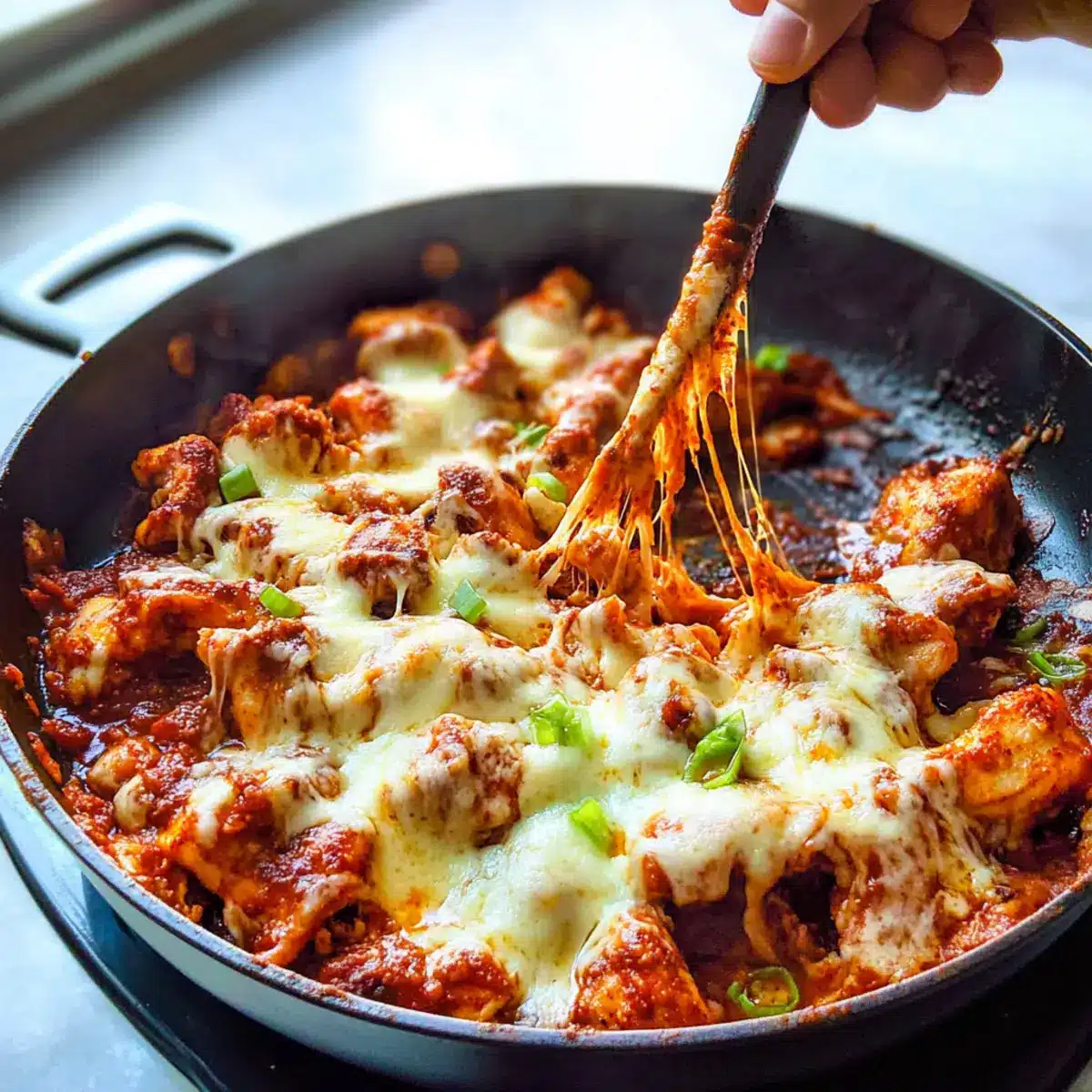
Irresistibly Spicy Korean Fire Chicken That's Family-Approved
Ingredients
Equipment
Method
- In a medium bowl, combine gochugaru, gochujang, brown sugar, minced garlic, grated ginger, soy sauce, and black pepper. Mix well until a smooth paste forms. Cut boneless skinless chicken thighs into bite-sized pieces and coat them thoroughly with the marinade. Let the chicken sit for at least 15 minutes.
- If adding Korean rice cakes, heat a tablespoon of canola oil in a large skillet over medium-high heat. Add the rice cakes and sauté for about 3–4 minutes until they turn golden brown and crispy. Remove from the skillet and set aside.
- In the same skillet, add chopped onions and sauté over medium heat for 4–5 minutes until softened and translucent.
- Add the marinated chicken to the skillet with sautéed onions along with ¼ cup of water. Cover and cook on medium heat for 8–10 minutes, stirring occasionally until fully cooked.
- Preheat your broiler. Once the chicken is cooked, layer low moisture mozzarella cheese evenly over the chicken. Place the skillet under the broiler for about 2 minutes, or until the cheese is bubbling and lightly browned.
- Garnish your delicious Korean Fire Chicken with chopped green onions or scallions for a fresh pop of color and flavor. Serve hot, ideally with a side of steamed rice.