
As I sliced through the crisp, vibrant leaves of cabbage, a wave of nostalgia washed over me—each blade reminded me of simpler meals shared around the family table. That’s when the idea struck: why not transform this humble vegetable into a delightful dish? Enter my Buttery Cabbage Noodles, your new favorite keto noodle substitute. These cabbage noodles are not just low carb and gluten-free; they’re incredibly versatile and quick to whip up, making them a marvelous addition to any meal plan. Whether you’re trying to cut down on carbs or simply craving something different, these noodles will surprise and satisfy your taste buds. Ready to discover how easily you can reinvigorate mealtime with this delightful recipe? Let’s dive in!
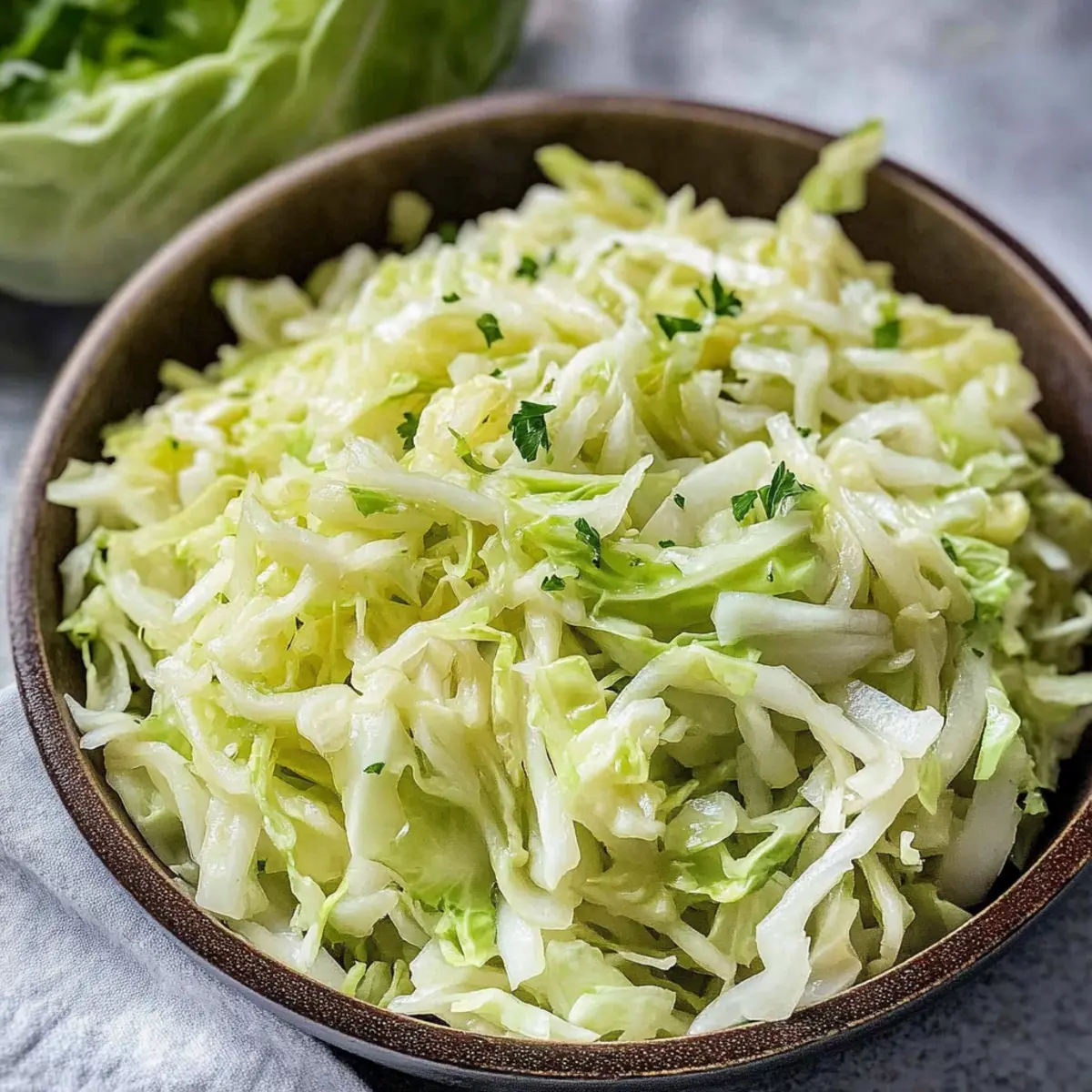
Why Choose Cabbage Noodles?
Nostalgic, comforting flavor: These buttery cabbage noodles evoke warm memories of family meals while delivering a unique twist on traditional pasta.
Quick and simple: Ready in just 10 minutes, this recipe is perfect for busy weeknights when you crave homemade goodness without a lengthy cooking session.
Low carb goodness: Cabbage noodles are a fantastic low-carb alternative, allowing you to enjoy a hearty meal without the guilt often associated with traditional noodles.
Versatile base: Use them as a canvas for endless culinary creations, whether paired with savory sauces like in a ground beef noodles dish or tossed in stir-fry.
Health-conscious choice: Not only are they gluten-free, but they also pack a nutritional punch, making mealtime both satisfying and nourishing.
Cabbage Noodle Ingredients
• Dive into the essentials for crafting delicious cabbage noodles!
For the Noodles
- Cabbage – The star of the show, offering a delightful noodle-like texture; bok choy makes a great substitute.
- Onions – Adds a touch of sweetness and depth; shallots are a lovely alternative as well.
- Garlic – Boosts fragrance and flavor; fresh minced garlic is best, but garlic powder is a handy substitute in a pinch.
- Butter or Oil – Provides richness and helps sauté the noodles; olive oil or ghee offer great dairy-free options.
- Salt and Pepper – Essential for seasoning; feel free to add optional herbs like oregano or thyme for an extra flavor kick.
For Serving Suggestions
- Parmesan Cheese – Sprinkle on top for a savory finish; for a dairy-free option, nut-based cheese works wonders.
- Fresh Herbs – Basil or parsley make for a delightful garnish, adding pop and freshness!
Step‑by‑Step Instructions for Buttery Cabbage Noodles
Step 1: Prepare the Cabbage
Start by cutting the cabbage into quarters, carefully removing the core from each piece. Slice the cabbage into thin strips, aiming for noodle-like shapes that will replicate traditional pasta. Set the prepared cabbage aside as you gather the rest of your ingredients for the buttery cabbage noodles.
Step 2: Chop the Aromatics
Next, thinly slice the onions and mince the garlic cloves. The onions will enhance the sweetness of the dish while the garlic contributes aromatic goodness. Ensure the garlic is finely minced to maximize its flavor infusion into the buttery cabbage noodles.
Step 3: Heat the Pan
Place a large skillet over medium heat and let it warm for about 3-4 minutes. Once hot, add 2 tablespoons of butter or oil, allowing it to melt and coat the pan evenly. The fat should shimmer slightly, indicating it’s ready for the cabbage and aromatics.
Step 4: Sauté the Vegetables
Add the sliced cabbage along with the onions and garlic to the pan. Sauté the mixture for about 8-10 minutes, stirring occasionally until the cabbage is tender and the onions are translucent. You want the cabbage to retain a slight crunch, creating the perfect texture for your buttery cabbage noodles.
Step 5: Season and Serve
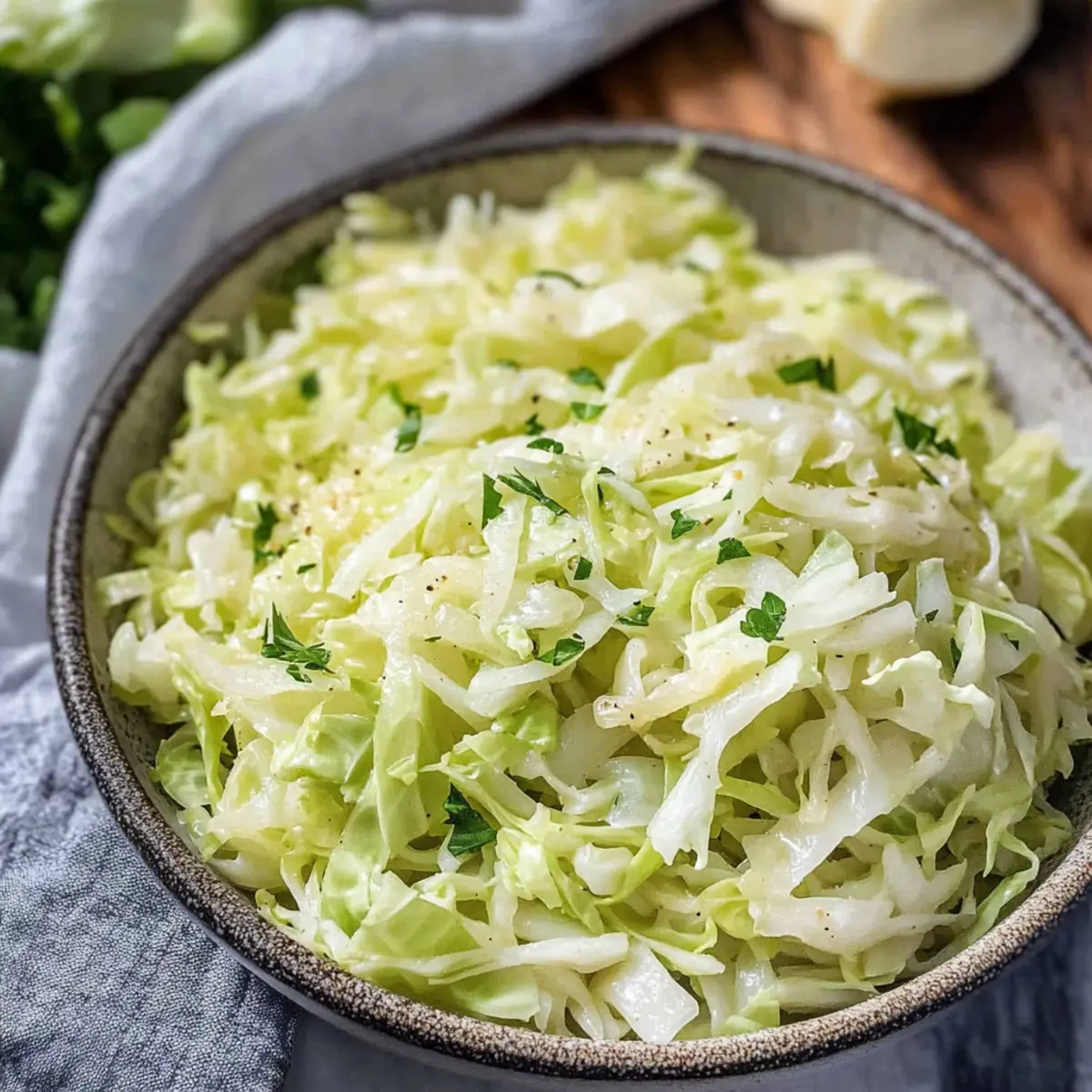
Once the vegetables are cooked, season them with salt and pepper to taste. Feel free to add any optional herbs you have on hand for an extra flavor boost. Serve the buttery cabbage noodles warm as a delightful base for various dishes or simply on their own, and enjoy this low-carb treat!
Make Ahead Options
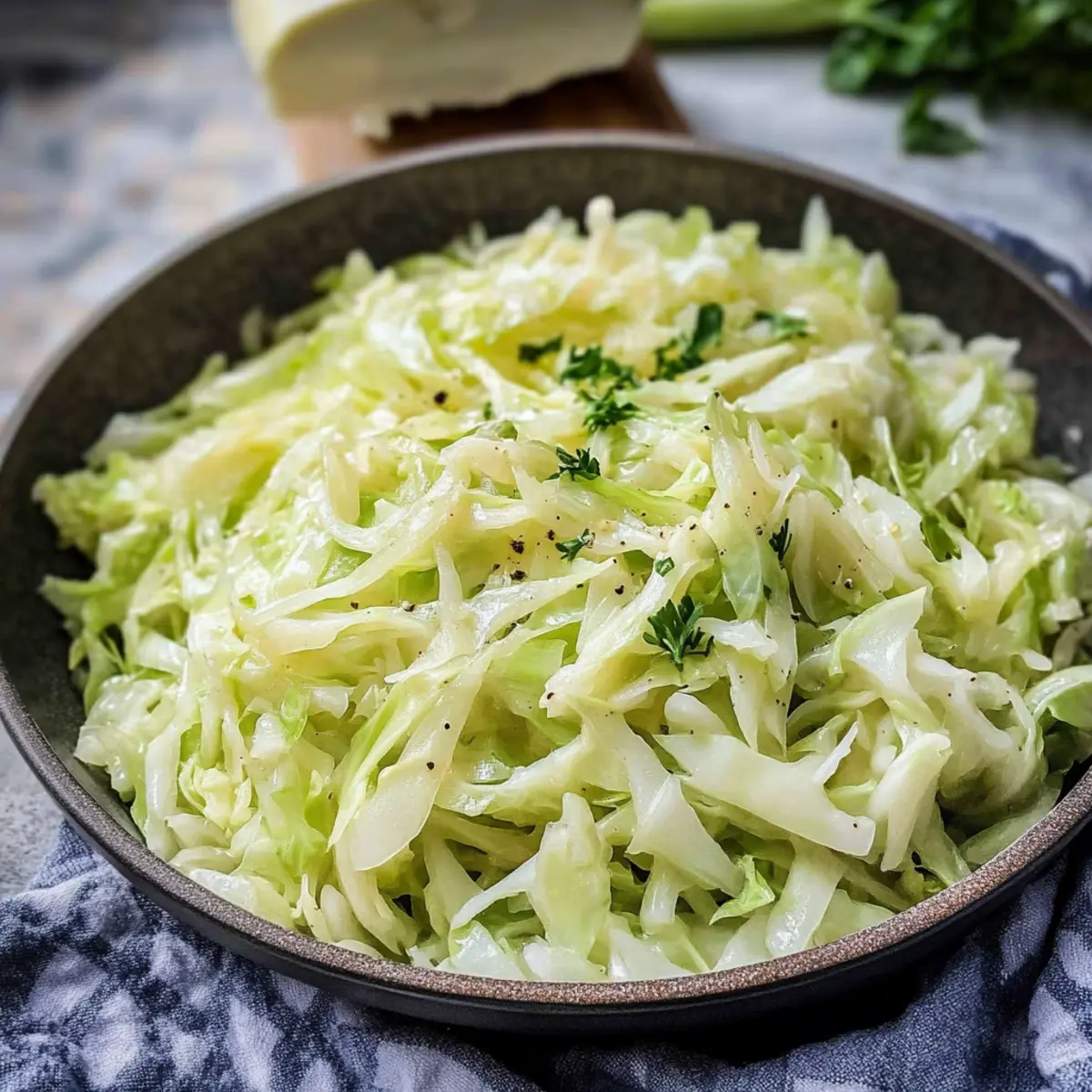
These buttery cabbage noodles are perfect for meal prep, saving you time on busy weeknights! You can prepare the cabbage by slicing it into strips and storing it in an airtight container for up to 3 days in the refrigerator. Additionally, you can pre-chop the onions and garlic, keeping them together in a sealed container to enhance the flavor. When you’re ready to enjoy the dish, simply heat your skillet, add the butter or oil, then sauté the prepared cabbage, onions, and garlic until tender—just like fresh! This way, you’ll have a delicious, low-carb meal with minimal effort and still maintain the quality that makes these cabbage noodles a family favorite.
What to Serve with Buttery Cabbage Noodles
As you savor the rich, buttery flavor of these noodles, consider complementing your meal with delightful sides that enhance every bite.
-
Creamy Garlic Mashed Cauliflower: This luscious side brings a creamy texture to the table while remaining low carb, making it a perfect pairing!
-
Savory Beef Stroganoff: A hearty option, the rich sauce contrasts beautifully with the tender cabbage noodles and adds a fulfilling depth to your meal.
-
Bright Zucchini Noodles: For additional crunch, serve some spiralized zucchini on the side; they add freshness and a textural twist that invigorate the palate.
-
Crispy Roasted Brussels Sprouts: The caramelized edges and earthy flavors of these sprouts balance the buttery noodles while introducing a crispiness that enhances the overall dish.
-
Fresh Tomato Salad: A simple salad of ripe tomatoes, basil, and balsamic drizzle brings a burst of brightness and acidity, perfectly cutting through the richness of the noodles.
-
Garlic Butter Shrimp: Juicy shrimp sautéed in garlic butter adds a luxurious touch and complements the cabbage noodles, creating an enticing low-carb dinner.
-
Herbed Cheese Spread: Serve with crackers or veggies for a delightful appetizer that adds a touch of gourmet flair and pairs well with the eastern flavors of the noodles.
How to Store and Freeze Cabbage Noodles
Room Temperature: Ensure cabbage noodles are fully cooled before storing at room temperature for up to 2 hours; beyond this, transfer to the fridge to maintain freshness.
Fridge: Keep cooked cabbage noodles in an airtight container in the refrigerator for up to 3 days. This retains their delightful texture without compromising flavor.
Freezer: For longer storage, freeze cabbage noodles in a sealed, airtight container or freezer bag for up to 2 months. Thaw in the fridge overnight before reheating.
Reheating: Gently reheat sautéed cabbage noodles in a skillet over low heat until warmed through, adding a splash of butter or oil for moisture and flavor restoration.
Expert Tips for Buttery Cabbage Noodles
- Don’t Overcook: Avoid mushiness by sautéing cabbage just until tender. Aim for a slight crunch for better texture and flavor.
- Season Wisely: Taste as you go! Adjust salt and pepper after the cabbage noodles are cooked to enhance their natural sweetness.
- Flavor Boosters: For added depth, try incorporating ingredients like bacon bits or a splash of vinegar during sautéing.
- Storage Savvy: Pre-chop cabbage and store it in an airtight container in the fridge, making it easy to whip up these cabbage noodles on busy days.
- Customizable Dish: These cabbage noodles are a versatile base—experiment with different sauces or toppings to tailor them to your tastes!
Cabbage Noodles Customization Ideas
Feel free to get creative with these buttery cabbage noodles, elevating them to suit your taste and dietary preferences!
- Dairy-Free: Substitute butter with olive oil or ghee for a deliciously rich and creamy texture without dairy.
- Protein Boost: Add cooked chicken or shrimp to transform this side dish into a hearty main course.
- Spicy Twist: For a kick of heat, mix in red pepper flakes or Sriracha during cooking; it’s a fiery surprise!
- Asian Flair: Toss in soy sauce and sesame oil for an Asian-inspired dish, perhaps topped with scallions and sesame seeds.
- Cheesy Goodness: For a comforting plate, add shredded cheese or a creamy cheese sauce; nut-based cheese can replace it for a vegan option.
- Veggie Delight: Blend in spinach or zucchini for a colorful, nutritious boost that enhances both flavor and texture.
- Herbed Harmony: Fresh herbs like basil or dill can brighten the dish and introduce an aromatic experience, making it extra delightful.
- Saucy Base: Serve these cabbage noodles under a rich sauce like in a chunky beef cabbage dish or combine with a tasty sloppy joe mixture for a comforting meal.
With these variations, your cabbage noodles can become a new family favorite, ready to suit any palate!
Buttery Cabbage Noodles Recipe FAQs
How do I choose the right cabbage for my noodles?
Absolutely! Look for heads of cabbage that are firm and heavy for their size. The leaves should be tightly packed with no dark spots or wilting. If you’re exploring alternatives, bok choy or napa cabbage are excellent substitutions that offer similar textures.
How should I store leftover cabbage noodles?
Very simply! Keep cooked cabbage noodles in an airtight container in the fridge for up to 3 days. Just ensure they cool to room temperature before sealing them up to maintain their delightful texture and flavor.
Can I freeze cabbage noodles, and if so, how?
You can absolutely freeze cabbage noodles! First, cool them completely, then place the noodles in a sealed, airtight container or freezer bag. Try to remove any excess air to prevent freezer burn. They can be stored this way for up to 2 months. When you’re ready to use them, thaw in the fridge overnight before reheating gently in a skillet.
What if my cabbage noodles turn mushy during cooking?
No worries! To avoid mushy noodles, sauté them just until tender—about 8-10 minutes is usually enough. Always keep an eye on them and stir occasionally. If they do end up overcooked, consider adding a splash of lemon juice or vinegar when you serve them to enhance flavor and acidity, which can help balance the texture.
Are cabbage noodles suitable for pets or certain dietary restrictions?
Yes! Cabbage noodles are gluten-free and low in carbs, making them a great option for those on keto diets. However, cabbage can cause gastrointestinal discomfort in some pets, especially dogs. Always check with your veterinarian before sharing any humans food with your furry friends!
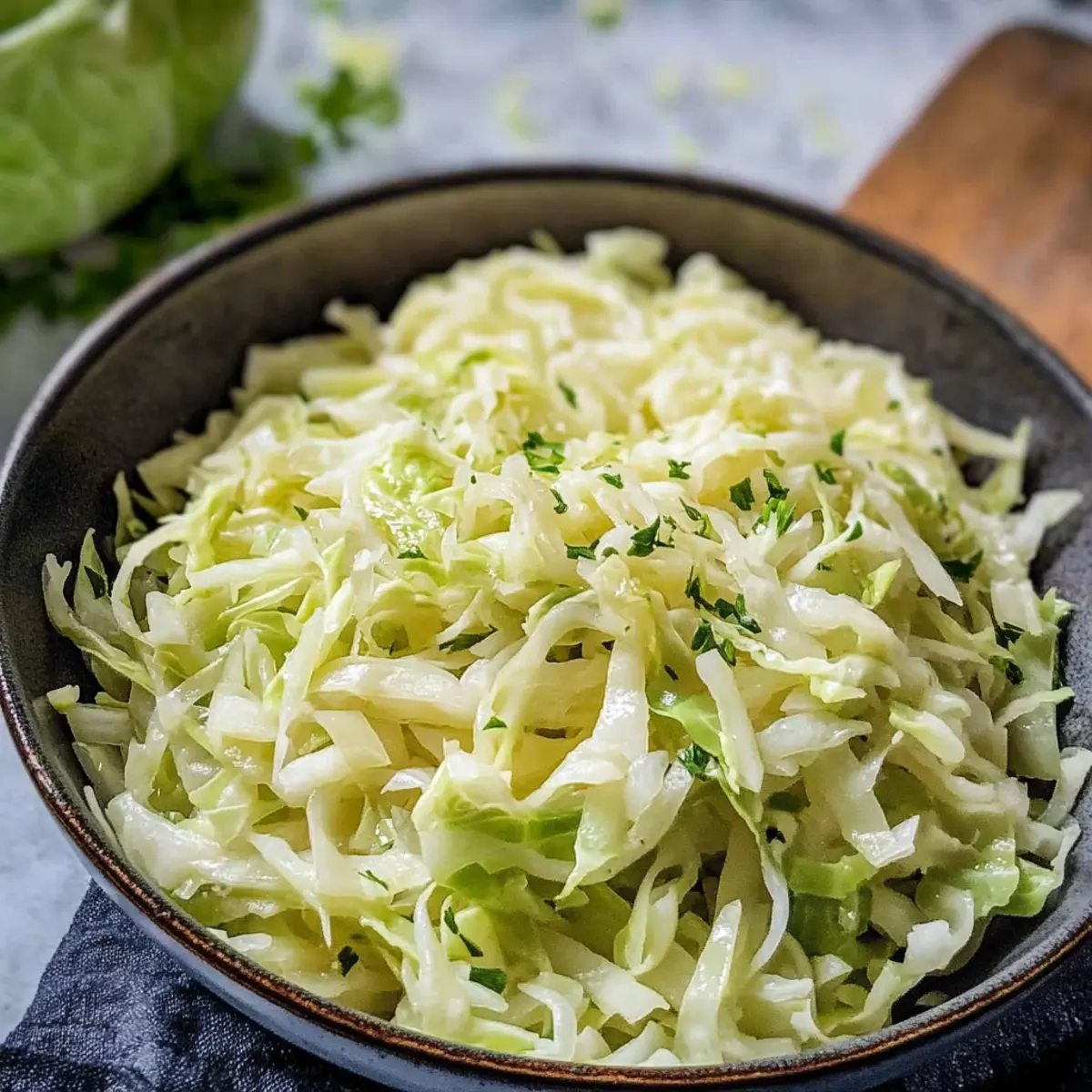
Buttery Cabbage Noodles: A Flavorful Low-Carb Delight
Ingredients
Equipment
Method
- Prepare the cabbage by cutting it into quarters, removing the core, and slicing into thin strips.
- Chop the onions thinly and mince the garlic cloves.
- Heat a large skillet over medium heat for 3-4 minutes, then add the butter or oil to melt.
- Sauté the cabbage, onions, and garlic for 8-10 minutes until the cabbage is tender but still has a slight crunch.
- Season with salt and pepper to taste, serve warm, and enjoy.