

As I flicked through my old travel photos, one gem stood out—a bustling street market in Vietnam, fragrant with the sweet smell of fresh donuts. It’s where I first tasted Bánh Tiêu, the irresistible Vietnamese donuts that became a cherished favorite. These crispy hollow delights, coated in nutty sesame seeds, deliver a wonderfully satisfying texture and just the right hint of sweetness. Making these donuts at home is not only a fun endeavor but also an exhilarating way to share the joy of vegan street food with family and friends. With a quick preparation time and the promise of instant gratification, these Bánh Tiêu are perfect companions to a cozy evening or a lively gathering. Ready to bring a taste of Vietnam to your kitchen? Let’s dive in!
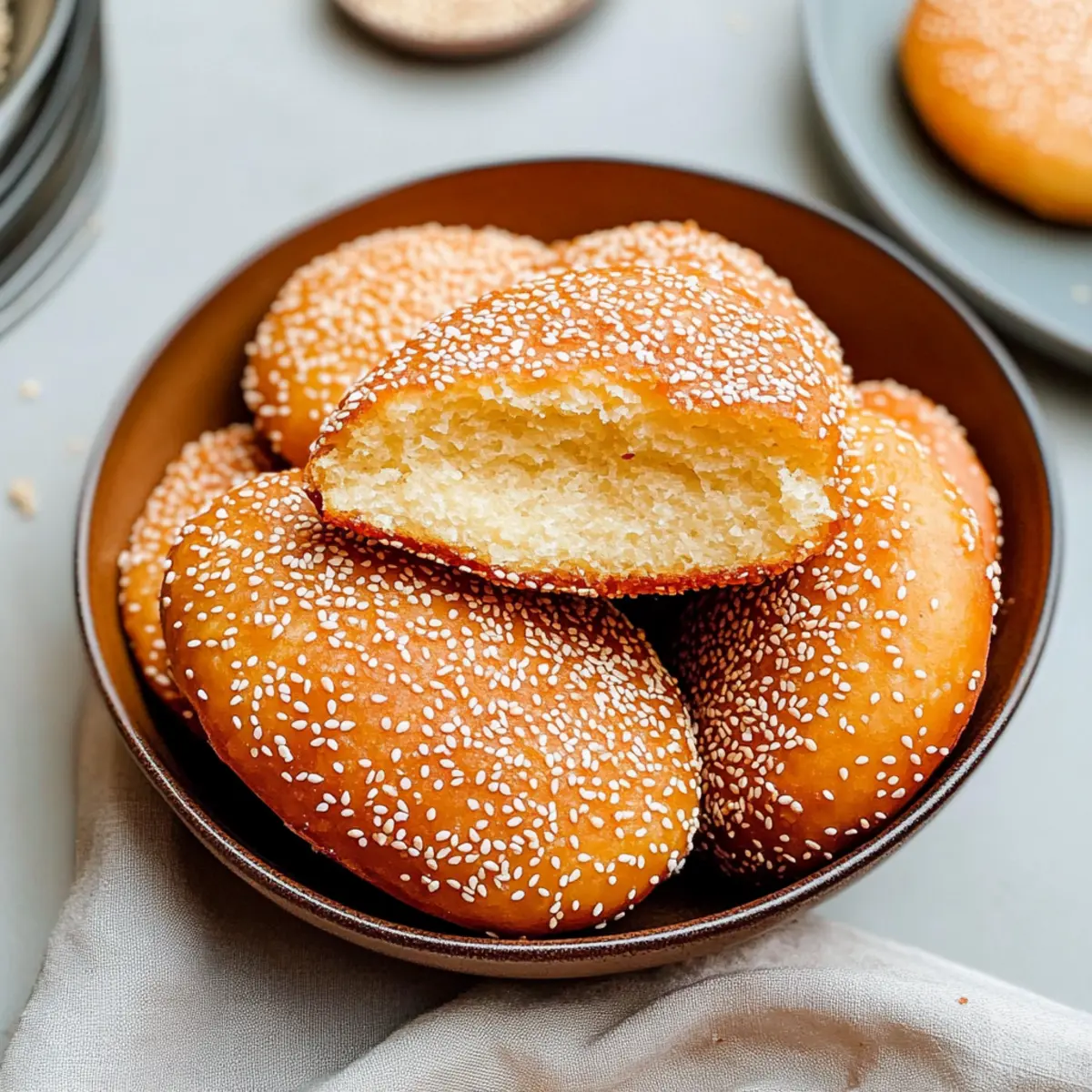
Why are Vietnamese Donuts so irresistible?
Crispy, Crunchy Treat: These Bánh Tiêu offer a delightful texture, with their crispy exterior giving way to a soft, airy interior.
Vegan-Friendly: Perfect for everyone, this recipe is completely plant-based, allowing even non-vegans to enjoy this beloved snack.
Quick and Easy: Despite their sophisticated look, they are incredibly simple to make, taking just a few ingredients and minimal time.
Versatile Fillings: You can fill these donuts with flavors of your choice, from sweet chocolate spreads to savory cheeses, making each batch uniquely yours!
Crowd-Pleaser: Whether for snack time or a dessert, these treats are sure to impress family and friends, making them a perfect addition to any gathering.
For more delicious Vietnamese street food inspiration, check out my recipe for Vietnamese Rice Paper Rolls.
Vietnamese Donuts Ingredients
• Get ready for a delightful treat!
For the Dough
- All-purpose flour – Provides structure and form; Substitution: Gluten-free flour may be used, though results may vary.
- Sugar – Adds sweetness to the dough; Substitution: Coconut sugar might be an alternative for a more caramelized flavor.
- Instant yeast – Helps the dough rise and creates a fluffy texture; Note: Check expiration date for effectiveness.
- Baking powder – Works with yeast to enhance the donut’s rise; Note: Should not be omitted for proper texture.
- Salt – Balances flavors and strengthens dough structure; Substitution: Use kosher salt if preferred.
- Unsweetened almond milk (or other plant-based milk) – Adds moisture to the dough; Substitution: Regular cow’s milk can also be used.
- Vanilla extract – Enhances the sweetness and overall flavor profile; Note: Pure vanilla is preferred for best flavor.
For the Coating
- White sesame seeds – Adds a crunchy outer layer with nutty flavor; Substitution: Black sesame seeds for color variation.
For Frying
- Oil for frying – Necessary for cooking the donuts until golden brown; Note: Use oil with a high smoke point, like vegetable or canola oil.
These Vietnamese donuts will not only satisfy your sweet tooth but also bring a taste of delightful street food into your home!
Step‑by‑Step Instructions for Vietnamese Donuts
Step 1: Mix Dry Ingredients
In a large bowl, whisk together 2 cups of all-purpose flour, 2 tablespoons of sugar, 1 packet of instant yeast, 1 teaspoon of baking powder, and 1/2 teaspoon of salt. Ensure that the dry ingredients are well incorporated and flour lumps are broken up, creating a light and airy mixture that will form the base of your Vietnamese donuts.
Step 2: Combine Wet Ingredients
Next, gradually add 3/4 cup of warm almond milk and 1 teaspoon of vanilla extract to the dry mixture. Stir with a wooden spoon or spatula until a shaggy dough begins to form. This step is crucial; the warmth of the milk will activate the yeast, so aim for a temperature of about 110°F (43°C) for optimal rising.
Step 3: Knead Dough
Transfer the dough to a lightly floured surface and knead by hand for about 5-7 minutes until it becomes smooth and slightly sticky. Use your palms to push the dough away from you and fold it back over itself, creating elasticity. This kneading will develop the gluten, giving your Bánh Tiêu the perfect texture.
Step 4: Proof Dough
Place the kneaded dough in a greased bowl, cover it with a damp cloth, and let it rise in a warm area for approximately 1.5 hours, or until it has doubled in size. Look for the dough to become puffy and bubble slightly, indicating that the yeast is active and ready for the next step in making your delicious Vietnamese donuts.
Step 5: Divide and Shape
After the dough has risen, punch it down gently to release any air bubbles. Divide the dough into 6 equal pieces, then roll each piece into a ball. Roll each ball in white sesame seeds, gently flattening them into discs about 1/2 inch thick. These discs will puff beautifully when fried, creating the signature airy texture of Vietnamese donuts.
Step 6: Heat Oil
In a deep frying pan, pour in enough oil to submerge the donuts, approximately 2-3 inches deep. Heat the oil over medium heat until it reaches about 350°F (180°C), which you can check with a deep frying thermometer. Your oil should appear shimmering and hot but not smoking, preparing you for frying your Bánh Tiêu.
Step 7: Fry Donuts
Carefully place the sesame-coated discs into the hot oil, ensuring not to overcrowd the pan. Fry the donuts for 5-7 minutes, turning them every 5-7 seconds with a slotted spoon until they are golden brown and puffed up. This flipping promotes even cooking and ensures that your Vietnamese donuts achieve that desirable crispy exterior!
Step 8: Drain and Cool
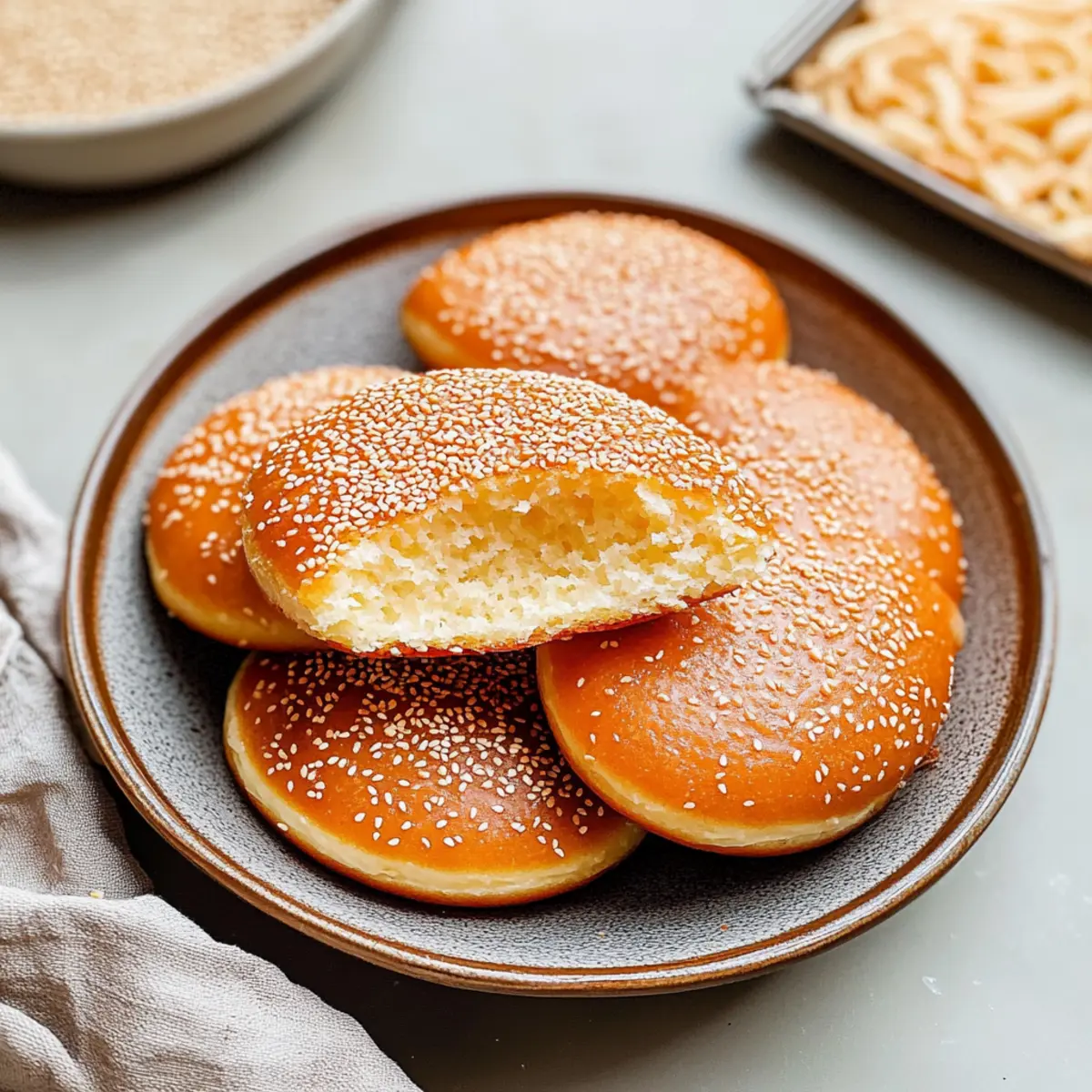
Using a slotted spoon, remove the fried donuts from the oil and place them on a plate lined with paper towels to drain excess oil. Allow them to cool for a few minutes before serving. The exterior should be perfectly crispy, while the inside of each Bánh Tiêu remains light and airy, ready for filling or just as they are!
How to Store and Freeze Vietnamese Donuts
Airtight Container: Store leftover Vietnamese donuts in an airtight container at room temperature for up to 2 days to retain their softness and flavor.
Freezer-Friendly: For longer storage, these donuts can be frozen for up to 1 month. Wrap each donut individually in plastic wrap and place them in a freezer-safe bag.
Reheating: When ready to enjoy, thaw at room temperature, then reheat in the oven at 350°F (175°C) for 5-7 minutes to restore crispiness.
Avoid Refrigeration: Do not store in the fridge, as this can cause the donuts to become stale faster.
What to Serve with Crispy Hollow Bánh Tiêu?
These delicious Vietnamese donuts are perfect for creating a delightful dining experience, whether it’s snack time or dessert!
-
Vietnamese Coffee: Brew a rich, sweet cup of Vietnamese coffee to complement the sweetness of the donuts. The coffee’s bold flavors provide a delightful contrast.
-
Spicy Dipping Sauce: A tangy, spicy dipping sauce made with chili and lime adds an exciting kick. It balances the sweetness beautifully, making each bite more intriguing.
-
Fresh Fruit Salad: A refreshing fruit salad with tropical fruits like mango and pineapple cleanses the palate and adds a burst of color to your spread.
-
Coconut Milk Dip: Serve warm donuts with sweet coconut milk for dipping. The creaminess will enhance the coconut notes and add a luscious touch.
-
Herbal Tea: A cup of subtly flavored herbal tea can round out the meal, providing warmth and comfort, perfect for a cozy gathering.
-
Matcha Latte: The earthy notes of matcha tea pair wonderfully with the sweet and nutty flavors of Bánh Tiêu, creating a delightful contrast that’s sure to impress.
-
Chili Garlic Sauce: For those who enjoy heat, a dollop of chili garlic sauce offers a unique twist. This savory addition marries perfectly with the crispy texture of the donuts.
-
Chocolate Sauce: Drizzling warm chocolate sauce over the donuts turns them into an indulgent dessert, making them extra special for any occasion.
-
Sweetened Condensed Milk: A simple and beloved addition, sweetened condensed milk adds richness and sweetness, enhancing the overall enjoyment of the donuts.
Variations & Substitutions for Vietnamese Donuts
Feel free to get creative with these variations to make your Vietnamese donuts truly your own!
-
Gluten-Free: Use a gluten-free flour blend instead of all-purpose flour for a delicious option that’s kind to your gut. Each bite will still be delightfully airy and flavorful!
-
Sweetener Swap: Try using honey or agave syrup instead of sugar for a different sweetness profile. This will lend a unique taste—perfect for drizzling on top!
-
Plant-Based Milk: Substitute almond milk with oat or coconut milk for a richer flavor. You’ll be surprised how different textures and tastes can elevate your Bánh Tiêu experience!
-
Flavor Infusion: Add a dash of cinnamon or nutmeg to the dough for a warm spice kick. This little twist will leave your guests guessing, creating an aromatic profile that complements the donuts beautifully.
-
Savory Option: Fill your donuts with cream cheese or a savory bean paste instead of sweet fillings for an interesting twist. Whether enjoyed as a snack or part of a meal, it’s bound to make an impression!
-
Chocolate Bliss: If you’re feeling indulgent, poke holes and fill with chocolate spread after frying. These little pockets of chocolate goodness will surely delight any sweet tooth in the room!
-
Puffed Pastry Version: Leave out the yeast and use puff pastry for a different, flaky texture. These crunchy bites will have a unique twist that’s just as scrumptious and fun.
-
Spicy Twist: Mix in some chili powder or serve with a spicy dipping sauce for those who love a bit of heat. An unexpected kick can transform your donut experience into something exhilarating and bold!
Embrace the joy of cooking by making these Vietnamese donuts your own. Try adding your favorite fillings, or for more inspiration, explore our delightful guide on Vietnamese Street Food to broaden your culinary adventure!
Expert Tips for Vietnamese Donuts
• Dough Consistency: Ensure the dough is slightly sticky to help the sesame seeds adhere better during frying.
• Rest Period: Allow the dough to rest for at least 10 minutes after shaping; this will promote better puffing and texture when frying your Vietnamese donuts.
• Temperature Check: Using a deep-frying thermometer can help maintain the right oil temperature (around 350°F/180°C) for perfect frying results.
• Frequent Flipping: Flip the donuts every 5-7 seconds while frying to encourage an even puff and golden-brown color, ensuring a delightful texture throughout.
• Perfect Serving: Enjoy your freshly made Bánh Tiêu warm, as they taste best right after frying, providing that crispy outer layer with a soft, airy inside.
Make Ahead Options
These Vietnamese donuts are perfect for meal prep enthusiasts! You can prepare the dough up to 24 hours in advance for a time-saving delight. Simply complete steps 1 through 4, then cover the dough tightly with plastic wrap and refrigerate it. This keeps the yeast activated while enhancing the flavor. When you’re ready to fry, allow the dough to come to room temperature for about 30 minutes, then proceed with steps 5 through 8 for crispy, delicious results. This not only saves time on busy weeknights but ensures your Bánh Tiêu are just as delicious and fresh when served!
Bánh Tiêu (Vietnamese Donuts) Recipe FAQs
How do I know if my ingredients are fresh?
Absolutely! For the best results, ensure your instant yeast is fresh, usually verifying the expiration date on the package. Fresh yeast is key for a fluffy rise. Also, when selecting all-purpose flour, look for a clean, odor-free bag without any lumps or signs of spoilage.
What’s the best way to store leftover Bánh Tiêu?
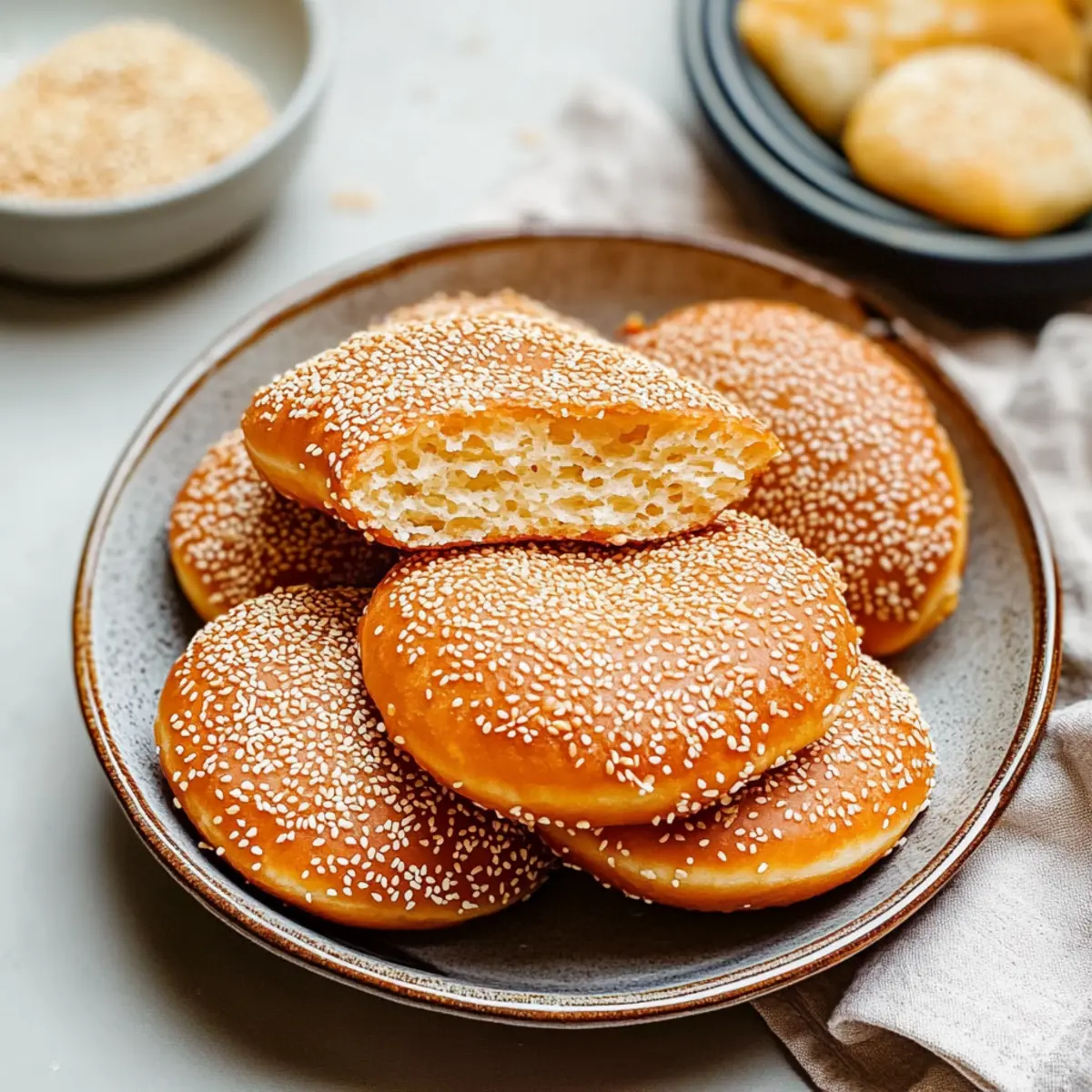
These delicious Vietnamese donuts are best enjoyed fresh, but if you have leftovers, store them in an airtight container at room temperature for up to 2 days. You can place a paper towel inside the container to absorb moisture, which helps keep them tender and tasty.
Can I freeze Bánh Tiêu?
Very! To freeze, wrap each cooled donut individually in plastic wrap and place them in a freezer-safe bag. They can be frozen for up to 1 month. When you’re ready to enjoy them, thaw at room temperature and reheat in the oven at 350°F (175°C) for about 5-7 minutes until crispy.
What if my dough doesn’t rise?
If your dough fails to rise, it could be due to using expired yeast or if the milk wasn’t warm enough to activate it. Ensure your milk is around 110°F (43°C) for the right warmth to help the yeast bloom. If the dough appears too dry, you can add a tiny bit of water or milk to achieve the right consistency.
Are Bánh Tiêu safe for those with allergies?
It’s important to note that this recipe is vegan but does contain gluten and sesame seeds. For those with gluten allergies, using a certified gluten-free flour blend may work, though texture may vary. Always check for nut allergies as well, especially if using almond milk or other plant-based options that may contain nuts.
How long does it take to make these donuts from start to finish?
Preparing these delightful Vietnamese donuts involves about 2 hours, including the 1.5 hours for dough proofing. The actual hands-on time for mixing, kneading, shaping, and frying only takes about 30-45 minutes. Enjoy the process as every step adds to the anticipation of biting into a warm, crispy donut!
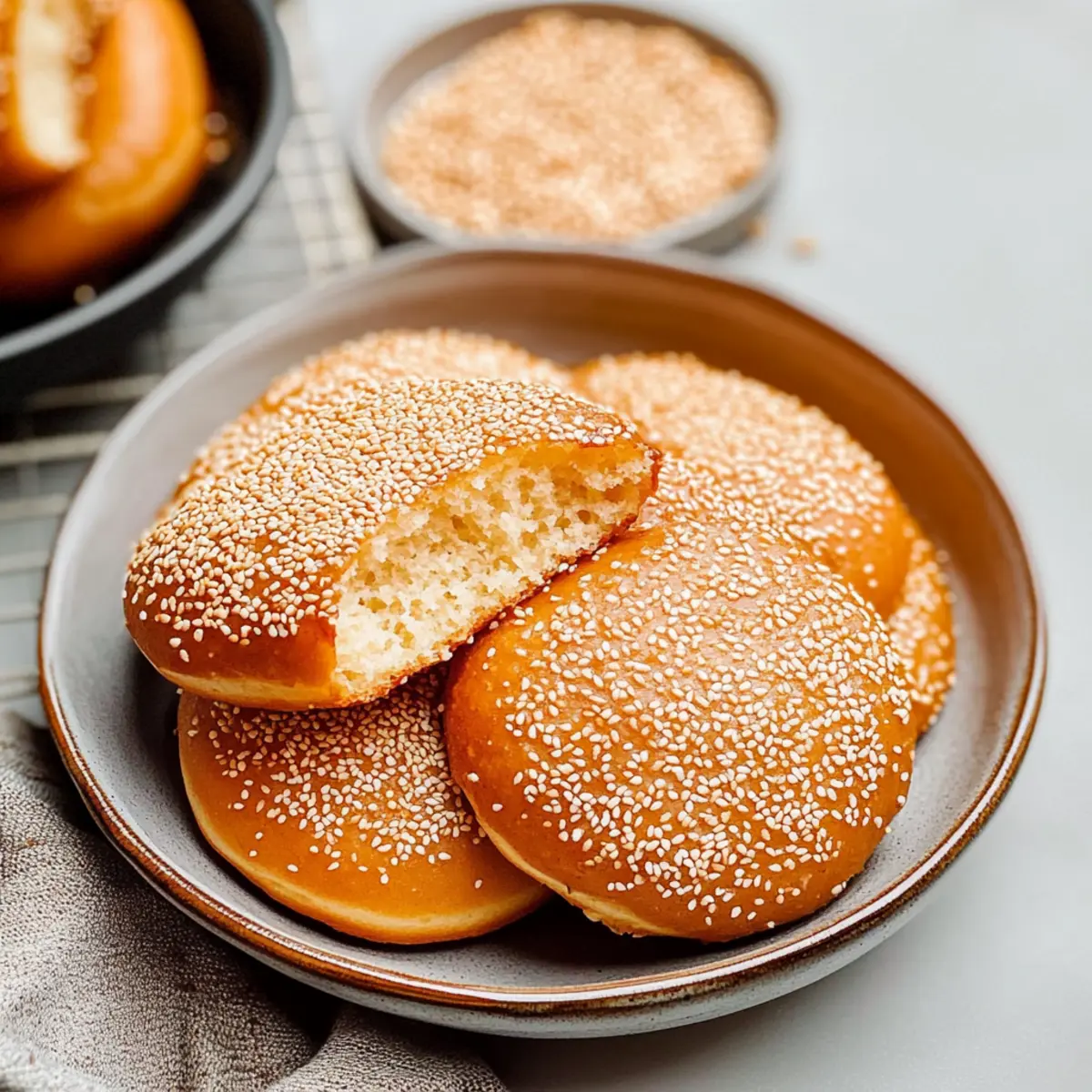
Crispy Vegan Vietnamese Donuts: A Delicious Snack Upgrade
Ingredients
Equipment
Method
- In a large bowl, whisk together the dry ingredients: flour, sugar, yeast, baking powder, and salt until well combined.
- Gradually add warm almond milk and vanilla extract to the dry mixture, stirring until a shaggy dough forms.
- Transfer the dough to a lightly floured surface and knead for about 5-7 minutes until smooth and slightly sticky.
- Place the dough in a greased bowl, cover with a damp cloth, and let rise in a warm area for approximately 1.5 hours.
- Once risen, punch the dough down, divide into 6 pieces, roll in sesame seeds, and flatten.
- Heat oil in a deep frying pan to around 350°F (180°C) for frying.
- Fry the sesame-coated discs for 5-7 minutes, turning them every few seconds until golden brown.
- Remove the donuts and place on paper towels to drain excess oil before serving.